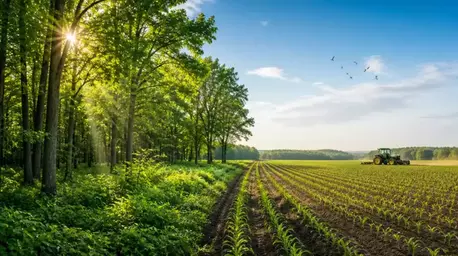
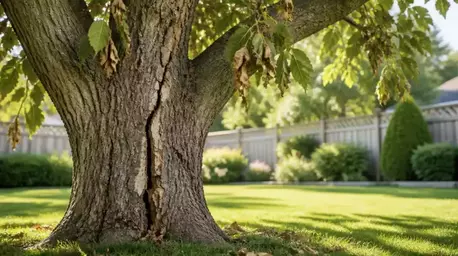
Trees: Nature’s Climate Change Solution
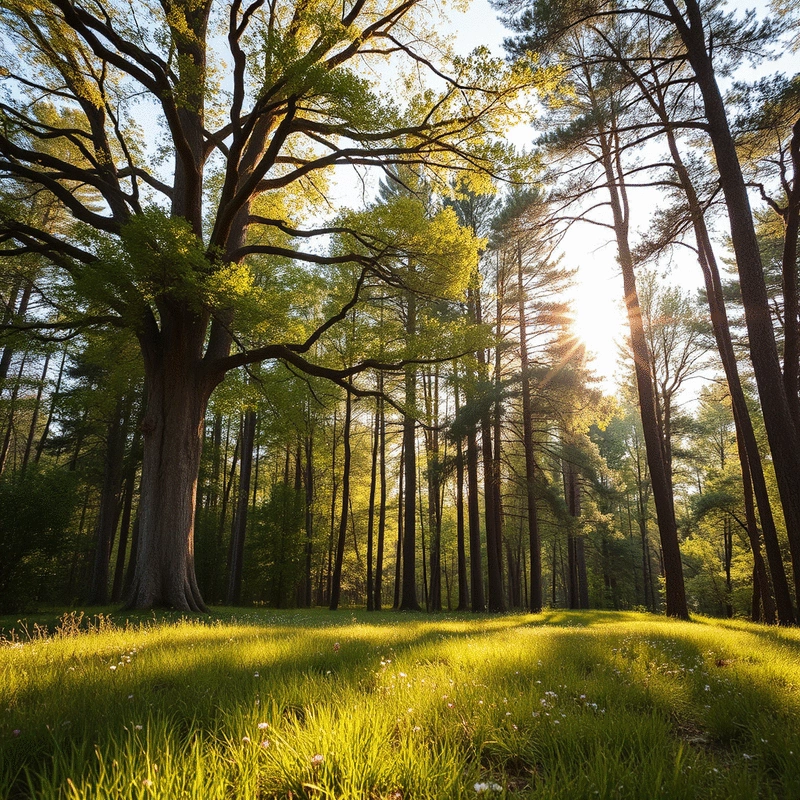
The fight against climate change may hinge on something as simple yet powerful as trees. With their ability to absorb carbon and provide clean air, these natural guardians are essential to our planet's health. As communities recognize their vital role, we are called to action to protect and plant trees for a sustainable future.
What You Will Learn
- Trees are crucial in mitigating climate change through carbon sequestration, absorbing carbon dioxide during photosynthesis.
- Deforestation leads to habitat loss, decreased biodiversity, and increased carbon emissions, aggravating climate issues.
- Certain tree species, like redwoods and oaks, are more effective in storing carbon and supporting ecosystems.
- Community engagement in local tree planting initiatives can significantly contribute to climate action and environmental restoration.
- Understanding the drivers of deforestation, such as agricultural expansion and urbanization, is essential for creating sustainable solutions.
- Trees not only improve air quality by filtering pollutants but also provide essential habitats for wildlife.
Impact of Trees on Climate Change Mitigation
The importance of trees in combating climate change can be summarized through key statistics related to carbon sequestration and the consequences of deforestation.
Carbon Sequestration Rates by Tree Species
- Redwoods: Up to 500 kg of CO2/year
- Oaks: Approximately 250 kg of CO2/year
- Pines: About 300 kg of CO2/year
Consequences of Deforestation
- Increased carbon emissions contributing to global warming
- Wildlife habitat loss leading to species decline
- Soil erosion and degradation affecting local communities
Tree Benefits
- Absorb CO2 and release oxygen
- Support biodiversity and wildlife
- Enhance air quality and reduce pollutants
Impact of Urbanization on Deforestation
- Loss of forests for new developments
- Increased demand for land degrading ecosystems
The Role of Trees in Combating Climate Change and Deforestation
As we face the current climate crisis, the importance of trees becomes more evident than ever. Deforestation has serious consequences that ripple through our global ecosystems. By understanding the role that trees play, we can take meaningful steps to rejuvenate our planet and restore balance.
In essence, trees act as vital guardians of our environment. They provide us with clean air, sequester carbon, and support countless forms of wildlife. As a community at Timber & Thrive, we believe that by raising awareness about the impact of deforestation's role in climate change, we can inspire action and foster a collective commitment to preserving our forests.
Understanding the Climate Crisis and Deforestation
The climate crisis is more than just a buzzword; it signifies urgent changes in our planet’s weather patterns, largely driven by human activities. One of the most profound impacts of these activities is deforestation, which leads to habitat loss and deteriorates biodiversity. As we remove trees, we disrupt the delicate balance that sustains our ecosystems.
In fact, trees absorb carbon dioxide, a greenhouse gas that contributes to climate change. Their removal not only releases this stored carbon back into the atmosphere but also diminishes nature’s ability to combat future emissions. This cycle of destruction highlights the pressing need for us to take action now.
- Deforestation contributes to rising temperatures.
- Loss of trees affects rainfall patterns.
- Wildlife habitats are severely compromised.
How Trees Mitigate Climate Change
Trees play a crucial role in mitigating climate change through a process called carbon sequestration. Essentially, they absorb carbon dioxide during photosynthesis, storing it in their trunks, branches, and roots. Different tree species vary in how effectively they can store carbon, with some being more efficient than others.
At Timber & Thrive, we often emphasize the importance of selecting the right species for planting. For instance, fast-growing species like poplar and willow can sequester significant amounts of carbon quickly, while slower-growing varieties contribute over time. This selection process is key to maximizing our positive impact on the environment.
Carbon Sequestration: The Science Behind It
To grasp how trees affect carbon levels, it helps to understand their growth rates and how they store carbon. Here are a few species known for their carbon storage capabilities:
- Redwoods: Among the tallest trees on earth, they hold massive amounts of carbon.
- Oaks: These sturdy trees are not only beneficial to wildlife but also effective in carbon sequestration.
- Pines: Fast-growing and resilient, pines make excellent choices for reforestation projects.
Photosynthesis and Carbon Dioxide Removal
The process of photosynthesis is the magic that trees perform daily. By converting sunlight, water, and carbon dioxide into energy, they produce oxygen—a vital component for life on Earth. This natural cycle is essential for maintaining a healthy atmosphere.
As trees grow, they continually remove carbon dioxide from the air, helping to mitigate the effects of climate change. Imagine a world where every tree planted contributes to a cleaner environment! By engaging in tree planting initiatives to reduce our carbon footprint, we can all be part of this transformation.
Greenhouse Gases and Their Impact
Greenhouse gases trap heat in our atmosphere, leading to climate change. Trees play a significant role in regulating these gases. By absorbing carbon dioxide and releasing oxygen, they help to lower the overall concentration of greenhouse gases.
This is why reforestation and afforestation efforts are so crucial. When we plant more trees, we actively contribute to the reduction of greenhouse gases, fostering a healthier planet for generations to come. At Timber & Thrive, we encourage everyone to explore local initiatives and get involved!
Deforestation: Drivers and Consequences
Understanding the root causes of deforestation is essential for addressing this critical issue. Key drivers include agricultural expansion, logging, and urbanization. As communities grow, the demand for land increases, often at the expense of our forests.
As we delve deeper into the consequences of deforestation, it's clear that the fallout extends beyond just trees being cut down. The loss of forests leads to decreased biodiversity, disrupted ecosystems, and increased carbon emissions. By recognizing these challenges, we can work together toward effective solutions that prioritize tree preservation.
- Increased carbon emissions contribute to global warming.
- Wildlife faces habitat loss, leading to species decline.
- Soil erosion and degradation affect local communities.
Root Causes of Deforestation
Several factors drive deforestation, and being aware of them can help us take action:
- Agricultural Expansion: As populations grow, so does the need for food, often leading to forest clear-cutting.
- Logging: Unsustainable logging practices contribute significantly to tree loss.
- Urbanization: As cities expand, forests are sacrificed for new developments.
By addressing these root causes and engaging in sustainable solutions for deforestation, we can create a future where forests thrive, supporting both people and the planet. Together, we can make a difference! Remember that every tree planted is a step toward a healthier environment and a brighter future for all.
Quick Summary
Here's a brief recap of the key points discussed so far:
- Trees act as vital guardians of our environment by providing clean air and sequestering carbon.
- Deforestation leads to habitat loss, increased carbon emissions, and disrupted ecosystems.
- Engaging in tree planting initiatives can significantly contribute to climate change mitigation.
Concluding Thoughts on Trees and Climate Action
As we wrap up our discussion about the vital role trees play in combating climate change, it’s clear that their potential as natural climate solutions is immense. Trees not only help in carbon sequestration, but they also support biodiversity and ensure healthy ecosystems. By recognizing their importance, we can harness their power to influence positive change and work towards a sustainable future.
Looking ahead, it’s essential to understand that our efforts must remain consistent and focused. The fight against climate change is ongoing, and every tree planted contributes to a larger vision of environmental restoration. So, let’s keep nurturing our forests and supporting initiatives that promote tree care and planting!
The Future of Trees in Climate Mitigation
We stand at a pivotal moment where trees can significantly influence climate mitigation strategies. As more communities recognize the value of sustainable forestry practices, we can expect a shift toward an eco-friendlier approach to land management. Imagine a world where urban spaces are dotted with green, where trees thrive alongside us, providing shade and clean air!
At Timber & Thrive, I believe that sustained efforts in reforestation and tree care can yield lasting benefits for both our planet and our communities. Let’s commit to planting trees and educating ourselves and others about their importance. Each small action can lead to a wave of change!
Call to Action: Participation and Support
It’s time to roll up our sleeves and engage with the environment around us! Here’s how you can make a difference:
- Join local tree planting initiatives in your community.
- Support organizations like Timber & Thrive that promote eco-friendly practices.
- Advocate for policies that protect our forests and promote sustainable land use.
- Spread the word about the importance of trees in climate action.
Your participation is crucial! By lending your voice and efforts to these causes, you’ll contribute to a greener future while fostering connections with like-minded individuals. Remember, every tree planted is a step towards healing our planet!
FAQs: Common Questions about Trees and Climate Change
How do trees contribute to reducing climate change?
Trees play a vital role in carbon sequestration, absorbing carbon dioxide and storing it as they grow. This process not only mitigates climate change but also enhances ecosystem health. Their ability to filter pollutants and improve air quality makes them indispensable allies in our fight against environmental degradation.
What can individuals do to support reforestation efforts?
There are many ways to get involved! Here are some actionable steps:
- Volunteer with local environmental organizations.
- Donate to tree planting initiatives.
- Educate friends and family about the importance of trees.
- Plant trees in your backyard or community spaces.
Every action counts, and when we work together, we can amplify our impact!
What is the relationship between trees and air quality?
Trees are essential for improving air quality by absorbing pollutants like sulfur dioxide and ammonia. They also release oxygen, which is crucial for all living beings. In urban areas, trees help mitigate the heat island effect, providing cooler environments that enhance our overall well-being.
Which tree species are most effective at carbon sequestration?
Certain tree species are particularly effective at storing carbon. For example, Redwoods can absorb up to 500 kg of CO2 per year, while Oaks absorb approximately 250 kg and Pines about 300 kg. Selecting these and other fast-growing species for planting can maximize carbon capture. You can learn more about nurturing trees for healthier growth to enhance their carbon sequestration potential.
With our collective efforts and commitment, we can ensure that trees remain a powerful ally in our climate action journey. So, what role will you play in this movement? Let’s continue to thrive, one tree at a time!
Recap of Key Points
Here is a quick recap of the important points discussed in the article:
- The Role of Trees: Trees are crucial for providing clean air, sequestering carbon, and supporting biodiversity.
- Climate Crisis Awareness: Deforestation exacerbates climate change, leading to habitat loss and increased carbon emissions.
- Carbon Sequestration: Trees absorb carbon dioxide during photosynthesis, with different species varying in their effectiveness.
- Drivers of Deforestation: Agricultural expansion, logging, and urbanization are key factors contributing to tree loss.
- Call to Action: Engage in local tree planting initiatives, support organizations promoting sustainable practices, and advocate for forest protection policies.
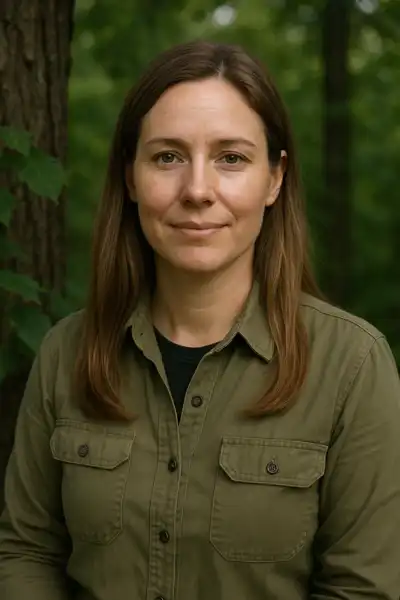
Celia Greenwood
Celia Greenwood is a dedicated environmentalist and tree care expert with a passion for promoting sustainable practices. With years of experience in eco-friendly planting and tree preservation, Celia aims to educate and inspire others to embrace environmentally conscious choices. Her mission is to foster a community that values trees as vital components of our ecosystem, ensuring a greener future for generations to come.