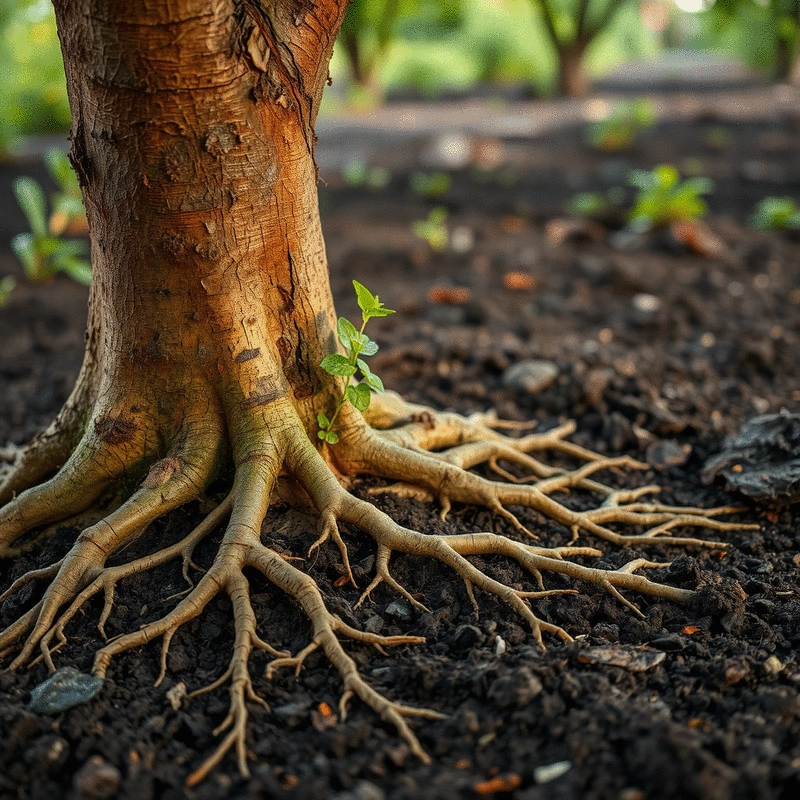
Structural Roots
These roots provide stability and support to the tree, anchoring it against environmental stresses.
Did you know that a tree's health starts beneath the surface? Tree root systems are not just anchors; they are crucial for a tree's overall vitality and resilience. Understanding these intricate systems can transform the way we care for our trees and enhance our green spaces.
Understanding the various types of tree roots and their functions is vital for effective tree care. Below is a visual representation that highlights key comparisons between different root types.
These roots provide stability and support to the tree, anchoring it against environmental stresses.
These roots are responsible for nutrient absorption, playing a crucial role in the tree's overall health and growth.
These roots extend deep into the soil, providing strong anchorage and access to underground water sources.
These roots aid in stability and nutrient uptake, often found in trees that require balance against winds.
As an environmentalist and tree care expert, I'm often amazed by the incredible complexity of tree root systems. These systems are not just anchors that hold trees in place; they play a vital role in the overall health and growth of trees. By understanding how tree roots function, we can enhance our care practices and ensure that our trees thrive in their environments! For more insights into nurturing your trees for healthier growth, check out our guide on nurturing trees for healthier growth.
A tree root system encompasses all the roots beneath the soil that support the tree. It includes various root types that gather water and nutrients, while also stabilizing the tree against environmental stresses. The health of the root system directly influences the tree's vitality and ability to withstand challenges like drought or pests.
Tree roots do a lot more than we often realize! They absorb crucial water and nutrients needed for photosynthesis and growth. Additionally, they play a significant role in storing energy, which helps the tree survive during tough times. When trees have healthy roots, they can flourish and contribute positively to their ecosystem.
The architecture of a root system can vary widely among different tree species. While some trees have deep taproots that burrow straight down, others have extensive lateral roots that spread out wide. Each structure has its unique benefits, helping trees adapt to their specific environments. It's fascinating to observe how these differences shape a tree's growth and stability!
Tree roots can be categorized into different types based on their functions. Structural roots provide stability, while feeder roots are responsible for nutrient absorption. Recognizing these types is crucial for effective tree care, as both work together to support the tree’s health.
Some trees develop a central taproot that extends deep into the ground, providing strong anchorage and access to underground water sources. Others may have a heart root system, which helps with stability and nutrient uptake. Understanding these root types can help us choose appropriate tree species for different planting locations!
Roots grow in different patterns, depending on factors like soil composition and moisture levels. For instance, some trees might develop shallow roots in dry areas to capture surface water, while others might go deeper in search of rich nutrients. This adaptability is crucial for their survival, and it’s important for us, as caretakers, to recognize these behaviors.
Healthy roots need air! Soil compaction can limit airflow, making it difficult for roots to thrive. Implementing soil aeration techniques, such as using a garden fork to loosen compacted soil, can promote better root development. This simple step can make a huge difference in the health of your trees!
Mulching serves multiple purposes in tree care. It retains moisture, suppresses weeds, and regulates soil temperature. To effectively mulch, apply a layer of organic material, such as wood chips or straw, around the base of the tree. Just remember to keep the mulch a few inches away from the trunk to prevent rot! For more information on this topic, refer to our article on mulching benefits for tree health.
Deep watering encourages roots to grow deeper into the soil, which can be particularly beneficial during dry spells. Watering should be done less frequently but in greater quantities, allowing the soil to absorb the moisture fully. Additionally, consider using organic fertilizers to provide essential nutrients that promote healthy root growth.
Have you heard about mycorrhizal fungi? They form symbiotic relationships with tree roots, helping absorb nutrients and water more efficiently. By fostering these beneficial fungi through practices like mulching and avoiding chemical pesticides, we can significantly enhance the root health of our trees. Let's work together to create a thriving environment for our trees!
While tree roots are essential for health, they can sometimes cause issues for nearby infrastructure. Roots may push through sidewalks or foundations, leading to costly repairs. Regular assessments of root systems can help us prevent such problems before they escalate!
Root rot is a serious condition that can occur when roots sit in overly wet soil. It’s important to watch for signs like wilting leaves or stunted growth. Girdling roots, which wrap around the trunk, can also choke off nutrients. Understanding how to identify these issues is key to maintaining tree health.
Soil compaction can severely restrict root growth, leading to a range of problems. This usually results in limited nutrient uptake and increased susceptibility to diseases. By regularly checking soil conditions and implementing aeration techniques, we can enhance the environment for our trees.
Many tree diseases originate in the roots. For instance, fungal infections can spread quickly through weakened root systems. Keeping an eye on root health and addressing any signs of disease promptly can protect our trees for years to come!
Experienced arborists often implement specialized techniques to ensure tree roots remain healthy. Techniques like root invigoration and strategic pruning can enhance root growth and overall tree health. Engaging with a professional can provide valuable insights tailored to your specific tree care needs!
Climate change is altering our ecosystems, and tree root systems are no exception. Rising temperatures and changing precipitation patterns can affect root health and growth. As we navigate these changes, it’s essential to adjust our care practices to support our trees through these challenges. For more details, explore our article on climate change and tree health.
Different tree species exhibit unique root behaviors. Understanding these differences allows us to tailor our care strategies effectively. For example, some trees may require more water or specific soil conditions, which can be crucial for their growth!
Urban environments present unique challenges for tree roots, including competition for space and resources. Often, roots have to navigate around sidewalks, buildings, and other structures. Recognizing these challenges helps us make informed decisions about tree placement and care in urban landscapes.
If you notice girdling roots, don’t worry! You can gently loosen and redirect them away from the trunk. Use pruning shears to cut back any roots that are wrapping around the trunk, ensuring the tree can draw nutrients effectively!
Root barriers can be an effective way to manage root growth and prevent damage to infrastructure. Installing these barriers can help direct roots away from sidewalks and foundations, promoting a healthier environment for both trees and urban structures.
Conducting soil tests allows you to understand the nutrient levels and pH of the soil. By identifying deficiencies, you can amend the soil to create an optimal environment for root health. Regular testing is a great practice for any tree care enthusiast!
Pruning roots may sound intimidating, but it’s essential for maintaining healthy trees! Carefully trimming back any damaged or unhealthy roots can encourage new growth. Just remember to do this in moderation to avoid stressing the tree! Learn more about eco-friendly tree pruning techniques to ensure optimal tree health.
Visual aids like infographics can make understanding tree roots much easier! They effectively illustrate various root types and their functions, making the information accessible for everyone. Consider using these tools in workshops or community discussions to engage others in tree care!
Showcasing before-and-after photos of tree care can be incredibly inspiring! These visuals demonstrate the positive impact of proper root management and can motivate others to adopt similar practices. It's a great way to celebrate our successes in tree care!
Creating a root health checklist can serve as a helpful tool for tree care enthusiasts. This checklist can guide homeowners in assessing their trees and implementing best care practices. Engaging with such interactive elements ensures we remain proactive about tree health!
Here's a brief recap of the key points discussed so far:
A: Tree root systems are crucial for anchoring the tree, absorbing water and nutrients from the soil, storing energy, and stabilizing the tree against environmental stresses like wind and drought.
A: Structural roots provide stability and support to the tree, keeping it upright. Feeder roots are responsible for absorbing water and nutrients from the soil, playing a direct role in the tree's growth and health.
A: Soil compaction reduces airflow and restricts root growth, making it difficult for roots to access oxygen, water, and nutrients. This can lead to stunted growth, weakened trees, and increased susceptibility to diseases.
A: Girdling roots are roots that grow around the base of the tree trunk, eventually choking off the flow of water and nutrients. They can be fixed by carefully loosening and redirecting them away from the trunk, or by pruning them back with shears if they are too tight.
A: Deep watering encourages roots to grow deeper into the soil in search of moisture. This makes the tree more resilient during dry spells and improves its access to water and nutrients that might not be available in the shallower soil layers.
As we wrap up our journey into the fascinating world of tree root systems, it's vital to remember that a healthy root structure is the foundation for thriving trees. At Timber & Thrive, I often emphasize that understanding and caring for our trees means we’re investing in the future of our environment. By reinforcing the principles of tree root care, we can help our green companions flourish for years to come!
The key takeaways from our discussion on tree root care center around the undeniable significance of healthy roots. Here are some crucial points to remember:
Keeping these insights in mind will not only help you nurture your trees but also contribute positively to the surrounding ecosystem. At Timber & Thrive, I believe that each small effort in caring for tree roots translates into a bigger impact on our planet.
One of the most valuable lessons I've learned is that proactive tree root care can make all the difference! Regular maintenance and attention lead to improved soil health, better nutrient uptake, and ultimately, thriving trees. By implementing easy practices such as soil aeration and mulching, you can create an environment where roots can flourish.
Investing time and resources in root health pays off big in the long run! Here are some benefits you can expect:
By prioritizing root care, you’re not just supporting your trees; you’re nurturing the entire ecosystem around them!
Soil plays a crucial role in determining the success of tree health, and it’s worth diving deeper into its composition. By understanding what makes up the soil around your trees, you can provide tailored care that meets their needs. Consider testing your soil for:
With this information, you can amend the soil as needed, ensuring your trees have the best possible start in life! Remember, at Timber & Thrive, we’re here to guide you every step of the way.
Now that we've covered the essentials, it's time to put that knowledge into action. Here are some effective techniques to practice:
Every little action counts! By being proactive and consistent in your care efforts, you’ll be fostering healthier trees and a healthier environment.
Simple steps can lead to significant improvements! Here are a few tips that I've found particularly effective:
By adopting these practices, you’ll be well on your way to ensuring your trees thrive!
Don’t forget to leverage the resources available to you! Whether it’s attending workshops or utilizing online guides, there’s a wealth of information at your fingertips. Consider these tools:
At Timber & Thrive, we’re dedicated to providing ongoing support, so don’t hesitate to reach out for personalized guidance!
Choosing the right tree species is essential for successful root development. Here are a few tips to consider:
By making informed choices, you’ll set your trees up for success from the very beginning!
As we close this chapter, let’s address some common questions that might arise:
These questions are just the tip of the iceberg! Remember, I’m here to help you navigate these challenges and provide the support you need to foster healthy trees.
Finally, I encourage you to explore various resources to deepen your tree care knowledge. Here are some excellent options:
By staying informed and engaged, we can all contribute to healthier trees and a greener future. Let's embrace this journey together—one tree at a time! 🌳
Here is a quick recap of the important points discussed in the article:
Celia Greenwood is a dedicated environmentalist and tree care expert with a passion for promoting sustainable practices. With years of experience in eco-friendly planting and tree preservation, Celia aims to educate and inspire others to embrace environmentally conscious choices. Her mission is to foster a community that values trees as vital components of our ecosystem, ensuring a greener future for generations to come.