Income Reduction
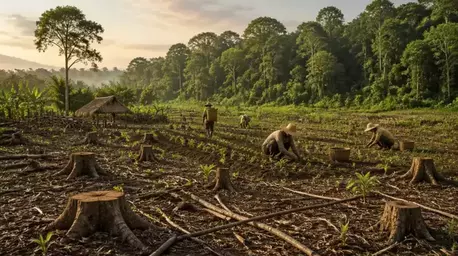
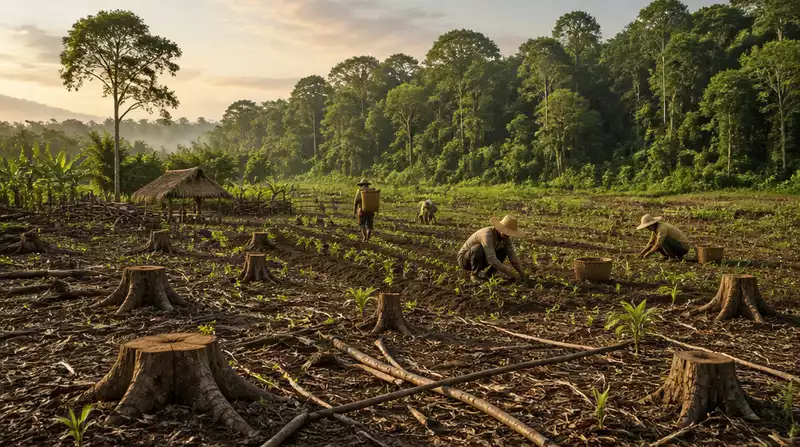
Many rural families rely on forests for income via timber and non-timber products, leading to financial instability when forests are lost. This often contributes to deforestation's economic effects on local communities.
Have you ever considered how the disappearance of forests affects the lives of those living in rural areas? The truth is that forest loss not only threatens the environment but also profoundly impacts the livelihoods and well-being of communities reliant on these vital ecosystems. Let's take a closer look at the lessons this interconnected issue teaches us.
Forest loss significantly affects rural communities through income reduction, food insecurity, and health risks. The following visual highlights these key areas:
Many rural families rely on forests for income via timber and non-timber products, leading to financial instability when forests are lost. This often contributes to deforestation's economic effects on local communities.
Loss of biodiversity affects food sources, leading to malnutrition and health issues for many households dependent on forest products.
Diminishing resources lead to increased medical costs and poorer health outcomes, creating a vicious cycle of hardship for communities.
As we reflect on the intricate relationship between our forests and the communities that depend on them, it's crucial to understand the profound effects of forest loss. This topic not only concerns environmental health but also touches the hearts of those living in rural areas. What does it mean for a community when their forests disappear? Let’s explore this pressing issue together.
Simply put, forest loss refers to the significant reduction of forest cover, often due to human activities such as logging, agriculture, and urban expansion. This loss can lead to adverse effects on the environment and the livelihoods of rural communities. Have you ever thought about how many lives are intertwined with the health of our forests? It's staggering!
Globally, we are seeing alarming rates of deforestation, with estimates suggesting that around 10 million hectares of forest are lost each year. This not only threatens biodiversity but also the very fabric of rural economies. Countries around the world are grappling with this challenge, where the stakes are high, and the impacts are felt deeply by those relying on forest resources. Understanding deforestation trends and statistics can provide further clarity on the scale of the problem.
The loss of forests significantly reduces the availability of food and non-timber forest products, which are vital for many rural households. These resources include fruits, nuts, and medicinal plants that contribute to both nutrition and income. Many families depend on these products for their survival, making forest preservation crucial for their economic stability.
Another critical role that forests play is providing fuelwood, a primary energy source for cooking and heating in many rural homes. When forests dwindle, access to this essential resource diminishes, leading to increased energy costs and health risks. It’s easy to overlook how something as simple as cooking fuel is tied to the health of our forests!
When forests are depleted, the implications for household nutrition become alarming. Reduced access to forest products means fewer food sources and diminished safety nets for families. Many rural communities rely on a diverse diet supported by what the forest provides. Imagine having fewer options for food—this is the reality for many!
Vulnerable groups, such as women and children, often bear the brunt of forest loss. These individuals rely heavily on forest resources for sustenance and income. By understanding their dependence, we can better advocate for policies that support sustainable forest management—something that aligns beautifully with our mission at Timber & Thrive. For more insights on this, consider exploring our guide on nurturing trees for healthier growth.
Deforestation directly affects the local economy, leading to increased poverty levels. As forest resources diminish, job opportunities linked to forestry-related activities shrink. This creates a cycle of poverty that is hard to break, impacting the overall development of rural communities.
The timber industry can bring both benefits and challenges. While it can create jobs, over-exploitation often leads to forest degradation. It’s essential for communities and policymakers to strike a balance between economic development and environmental sustainability. After all, a thriving forest can offer far more than just timber!
As forests vanish, many communities face forced displacement, seeking new livelihoods elsewhere. This migration can disrupt social structures and displace traditional practices that have existed for generations. Have you thought about the ripple effects of losing a community’s connection to the land?
After migration, adapting to new environments is a daunting challenge for displaced communities. Their knowledge and traditions may not fit into their new settings, leading to cultural disconnection. This highlights the importance of fostering community engagement and support systems to aid in their transition.
One of the most significant environmental impacts of forest loss is soil erosion. When trees are removed, the soil becomes loose and is more likely to wash away during rains. For rural farmers, this means reduced land productivity and greater difficulty in growing crops—something they depend on for food and income. This directly relates to deforestation's role in soil erosion.
Forests play a crucial role in maintaining healthy watersheds and supporting biodiversity. Their loss disrupts water cycles and diminishes habitats for countless species. This interconnected web of life illustrates just how vital our forests are—not just for us, but for the entire ecosystem.
Forests are incredible at carbon sequestration, meaning they absorb carbon dioxide and help mitigate climate change. When they are cut down, this balance is disrupted, leading to increased greenhouse gas emissions. Without forests, we are not just losing trees; we’re losing a crucial ally in our fight against climate change.
Climate change exacerbates the challenges faced by rural communities, affecting their agricultural outputs and access to clean water. The links between healthy forests and climate resilience are undeniable. It’s a cycle that requires our attention and action if we want to create a sustainable future.
Forests are deeply woven into the cultural fabric of many communities. The loss of these natural spaces leads to a loss of traditional knowledge and cultural identity. It’s heartbreaking to think that as forests disappear, so too do the stories and practices that define a community.
When forests are lost, the social cohesion that binds communities together can fray. People may feel isolated in their struggles, which can lead to increased conflict and tension. It’s vital to recognize that maintaining our forests is not just an environmental issue, it’s a social one too!
To combat the adverse effects of forest loss, initiatives like community forestry are gaining traction. These programs empower local communities to manage forest resources sustainably, ensuring they reap the benefits without depleting the ecosystem. It’s a win-win approach that fosters both conservation and community engagement!
Agroforestry combines agriculture and forestry, offering innovative solutions for food production while preserving forests. By integrating trees into farmland, communities can improve soil health, enhance biodiversity, and ensure a diversified income. It’s a practical way to nurture the land while supporting rural livelihoods.
Lastly, reforestation efforts are crucial for restoring ecosystems and revitalizing rural communities. By planting trees, we can bring back lost habitats, improve air and water quality, and create new job opportunities. Each sapling planted is a step towards a brighter, greener future!
Did you know that incorporating sustainable practices in your daily life can directly contribute to forest preservation? Simple actions like reducing paper usage, supporting sustainable products, and participating in local conservation efforts can make a significant impact. Every small step counts towards protecting our forests and supporting the rural communities that depend on them!
A: Forest loss refers to the significant reduction of forest cover, primarily due to human activities such as logging, agriculture, and urban expansion.
A: Forest loss significantly reduces the availability of food and non-timber forest products like fruits, nuts, and medicinal plants, which many rural households rely on for both nutrition and income, leading to financial instability.
A: Diminished access to forest resources can lead to increased health issues and medical costs due to reduced food sources, malnutrition, and limited access to essential fuelwood for cooking and heating.
A: Forests play a crucial role in carbon sequestration by absorbing carbon dioxide. Their loss disrupts this balance, leading to increased greenhouse gas emissions and exacerbating climate change.
A: Effective strategies include community forestry, which empowers local communities to manage resources sustainably, and agroforestry, which integrates trees into farmland to improve soil health, biodiversity, and diversified income. Reforestation efforts are also crucial for ecosystem restoration.
As we reflect on the profound challenges faced by rural communities due to forest loss, it's crucial to synthesize the key points that highlight this issue. The reality is that forests are not just trees; they are a lifeline for many, providing essential resources and supporting livelihoods. From diminished income sources to increased food insecurity, the impacts are widespread and deeply felt. Protecting forests is also vital for sustainable tree care practices globally.
In essence, the loss of forests translates into a significant reduction in both income and community health. This is not just a problem for those living near the forest; it has ripple effects that can extend to urban areas. Thus, understanding the importance of forests is vital for sustainable development and protecting vulnerable rural populations.
Here are some key takeaways regarding how forest loss impacts livelihoods and food security:
These points illustrate the intricate connection between forests and the well-being of communities. It’s a call to action for all of us to recognize that by protecting our forests, we are also safeguarding the future of these communities. At Timber & Thrive, we believe that sustainable management of our forests is essential for fostering resilience in rural areas.
The impacts of forest loss on income and community health are multifaceted. When forests are depleted, families often experience a decline in their primary sources of income, leading to increased poverty levels. Moreover, as access to nutritious food diminishes, health problems can arise, creating a vicious cycle that perpetuates hardship.
It’s essential to emphasize that the health of these rural communities is directly tied to the health of their forests. By prioritizing sustainable practices and supporting local efforts, we can help break this cycle and promote long-term wellness.
Forests play a critical role in achieving sustainable development. They provide not just resources, but also contribute to biodiversity, climate regulation, and ecological balance. As we work towards building a more sustainable world, it’s vital to keep in mind the interconnectedness of our ecosystems.
At Timber & Thrive, we advocate for policies that protect forests while also enhancing community livelihoods. By fostering practices that promote sustainability, we can ensure that future generations inherit a thriving environment.
Community engagement is key when it comes to restoring forests and supporting rural livelihoods. Here are some ways we can empower rural communities in forest management:
By actively involving communities in these initiatives, we can foster a sense of ownership and responsibility for the land. This not only strengthens community bonds but also enhances the effectiveness of restoration efforts.
To support rural communities effectively, we must advocate for supportive policies that prioritize forest conservation and community engagement. Here are some recommendations:
These initiatives can pave the way for sustainable rural development, ensuring that both forests and communities thrive together.
Conservation organizations are pivotal in supporting rural communities facing the consequences of forest loss. At Timber & Thrive, we strive to create partnerships that empower these communities.
Through education, resources, and collaborative projects, we work to ensure that communities have the tools they need to thrive sustainably. By fostering a culture of conservation, we can help build resilient rural communities that actively participate in the management of their natural resources.
Understanding forest loss and its socioeconomic effects can raise many questions. Here are some common concerns:
These questions are important as we all have a part to play in addressing the crisis of forest loss. Exploring these concerns can lead to greater awareness and action, ultimately benefiting both rural communities and our planet.
If you're eager to learn more about forest loss and its impacts, here are some recommended resources:
Informed individuals can be powerful advocates for change, and I encourage you to explore these resources to deepen your understanding. Let's work together for a sustainable future—one tree at a time!
Here is a quick recap of the important points discussed in the article:
Celia Greenwood is a dedicated environmentalist and tree care expert with a passion for promoting sustainable practices. With years of experience in eco-friendly planting and tree preservation, Celia aims to educate and inspire others to embrace environmentally conscious choices. Her mission is to foster a community that values trees as vital components of our ecosystem, ensuring a greener future for generations to come.