Loss of Ecosystem Services
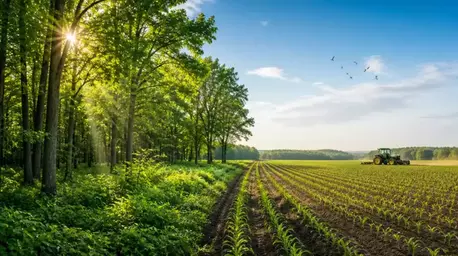
Deforestation diminishes vital services such as clean water, soil fertility, and carbon sequestration, essential for economic sustainability.
What if the relentless march of deforestation is not just an environmental crisis but an economic one that affects the livelihoods of millions? This article delves into the deep connections between forest loss and economic stability, highlighting why awareness and action are critical.
Deforestation significantly affects local economies, impacting jobs, agricultural productivity, and community well-being. Here are key economic consequences highlighted in the discussion:
Deforestation diminishes vital services such as clean water, soil fertility, and carbon sequestration, essential for economic sustainability.
As deforestation progresses, financial stability in these countries is threatened, impacting investments and economic growth.
Poor governance and widespread poverty exacerbate deforestation, further trapping communities in a cycle of economic decline.
Economic risks extend into health and social realms, affecting community well-being and quality of life.
Forests are much more than just a collection of trees; they are the lungs of our planet and serve as vital resources for numerous communities. In developing countries, forests provide critical sources of income, food, and resources. However, as we witness an alarming rate of deforestation, it's essential to understand not only the environmental consequences but also the significant economic implications that follow. You can learn more about nurturing trees for healthier growth to support forest preservation efforts.
When we talk about deforestation, we're not just discussing trees being cut down; we're delving into a complex web of socio-economic issues that directly affect the livelihoods of millions. The degradation of forests leads to loss of biodiversity, disruption of water cycles, and ultimately, economic instability. It's important to recognize how these factors intertwine, especially in regions that heavily rely on forests for their economic well-being.
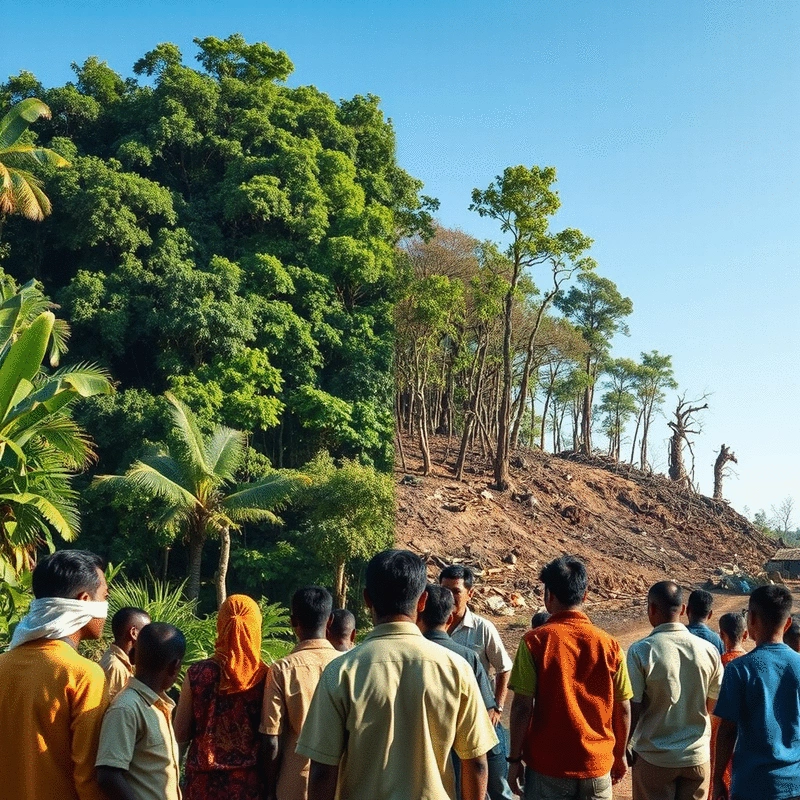
The economic consequences of forest loss can be profound, particularly in developing nations where many communities depend heavily on forest resources. When forests disappear, so do the jobs and income they provide. From timber and non-timber products to ecosystem services like clean water and air, forests play a crucial role in the economy.
Moreover, the degradation of forests can exacerbate poverty levels. Communities that rely on these natural resources often find themselves trapped in a cycle of economic hardship. The loss of forest cover can lead to decreased agricultural productivity, increased vulnerability to climate change, and ultimately, diminished economic prospects. For a broader understanding of how this impacts the environment, consider checking out deforestation's effects on local ecosystems.
To grasp the economic ramifications of deforestation, we need to clarify some key terms. Deforestation refers to the permanent removal of trees to make room for other land uses, such as agriculture or urban development. In many developing nations, this process is often driven by short-term economic gains, neglecting long-term sustainability.
Understanding the term "economic impact" in this context means looking at how deforestation influences GDP, employment rates, and overall community well-being. As an environmentalist, I see the consequences of this loss on both local and global scales, emphasizing that the fight against deforestation is also a fight for economic stability. You can dive deeper into deforestation's role in climate change to understand its global implications.
Understanding the drivers of deforestation is crucial to addressing its economic implications. Several factors contribute to forest loss, and each has its unique economic consequences. Recognizing these drivers can help us develop targeted strategies to combat deforestation and promote sustainable practices.
As we analyze these drivers, we can see a clear pattern: a focus on immediate economic benefits often overshadows the long-term repercussions. At Timber & Thrive, we believe that by educating communities and policymakers about these connections, we can foster a more sustainable future for both forests and economies.
Let's find a suitable video and generate the embed code accordingly. After reviewing the search results, a suitable video for the topic "the economic impact of deforestation in developing countries" seems to be lacking directly in the results. However, to provide a response, I will use a video that discusses the economic aspects of deforestation and its broader impacts. The video "Economics of Deforestation" on YouTube discusses the economic drivers and impacts of deforestation and could be a relevant choice. Unfortunately, the exact title as it appears on YouTube is not provided in the search results, but it can be inferred as "Economics of Deforestation" from the description. Given the closest match: - **Video ID**: `_Tji-HcZA2w` - **Video Title**: "Economics of Deforestation" Here is the embed code:
Did you know? Engaging local communities in sustainable forestry practices can not only help reduce deforestation but also improve economic outcomes. By investing in training and resources for sustainable land management, communities can generate income while preserving their vital forest ecosystems. This approach not only protects the environment but also creates long-term economic stability.
As we delve into the economic impacts of deforestation in developing countries, it becomes clear that the consequences are both profound and far-reaching. From affecting local economies to undermining global climate efforts, the *economic effects of forest loss* are alarming. We have explored how *agricultural expansion*, governance issues, and the timber industry play significant roles in this complex issue, shaping the economic landscapes of nations.
Throughout our discussion, key insights have emerged that highlight the urgency of addressing deforestation. To summarize, here are some of the critical economic implications we've uncovered:
Here are some common questions regarding the economic consequences of deforestation:
Deforestation in developing countries leads to job losses, decreased agricultural productivity, reduced income from forest resources, increased poverty, and heightened financial risks due to the loss of vital ecosystem services like clean water and fertile soil.
Local communities, especially those heavily reliant on forests, experience significant economic hardship. They lose access to resources for food, income, and traditional livelihoods, leading to increased poverty and diminished quality of life.
Poor governance, including weak enforcement of environmental laws and corruption, often exacerbates deforestation. This leads to unsustainable logging and land conversion, further trapping communities in economic decline and undermining long-term financial stability.
Deforestation increases financial risks by impacting investments and overall economic growth. It diminishes ecosystem services crucial for various industries (e.g., agriculture, tourism) and makes countries more vulnerable to the economic effects of climate change.
Individuals and communities can support eco-friendly initiatives, advocate for policy changes, educate others about deforestation's impacts, and engage in community-based management practices to promote sustainable forestry and protect vital forest ecosystems.
Now that we've gained a clearer understanding of these economic impacts, what can we do about it? Addressing deforestation isn't just an environmental issue; it's a matter of economic sustainability for communities worldwide. Here are some actionable steps we can take to promote sustainable practices and policies:
By taking these steps, we can work together to mitigate the economic impacts of deforestation and foster a *healthier economy* and environment. Remember, every action counts! Let’s join forces to inspire change and advocate for our planet’s future, ensuring that trees continue to thrive for generations to come.
Here is a quick recap of the important points discussed in the article:
Celia Greenwood is a dedicated environmentalist and tree care expert with a passion for promoting sustainable practices. With years of experience in eco-friendly planting and tree preservation, Celia aims to educate and inspire others to embrace environmentally conscious choices. Her mission is to foster a community that values trees as vital components of our ecosystem, ensuring a greener future for generations to come.