Technology's Impact on Deforestation
In a world where deforestation threatens our environment and indigenous communities, the role of technology in combating this crisis cannot be overstated. From innovative monitoring solutions to community-driven engagement, the future of our forests relies on how we leverage these tools. By understanding both the possibilities and challenges of technology in forestry, we can empower ourselves and others to act.
What You Will Learn
- Deforestation has profound impacts on biodiversity, climate change, and the livelihoods of indigenous communities.
- Technological interventions such as satellite imagery, drones, and data analytics can monitor and restore forests effectively.
- Challenges like high costs, lack of training, and inconsistent policies hinder the widespread adoption of technology in forest conservation.
- Successful case studies demonstrate how technology can reduce illegal logging and enhance reforestation efforts.
- Community engagement and individual responsibility are crucial for fostering sustainable practices and supporting conservation technologies.
- Emerging innovations, such as biodegradable sensors and AI, hold promise for revolutionizing forest conservation in the future.
Impact of Deforestation on Biodiversity and Climate
This visual highlights key statistics regarding the effects of deforestation on biodiversity and climate change.
Biodiversity Loss
Every year, approximately 10 million hectares of forests are lost, leading to the extinction of countless species.
Climate Change
Deforestation contributes to nearly 15% of global greenhouse gas emissions, accelerating climate change.
Impact on Indigenous Communities
Over 200 million indigenous people rely on forests for their livelihoods, cultural heritage, and survival.
Reforestation Potential
Restoring just 15% of degraded forests could sequester approximately 1.1 billion tons of CO2 per year.
The Multifaceted Role of Technology in Preventing Deforestation
Deforestation is a pressing issue that affects us all. From biodiversity loss to climate change, the impacts ripple through our ecosystems and communities. Indigenous groups, who have lived in harmony with forests for generations, face increasing challenges as their lands are stripped away. Understanding the crisis is the first step toward finding solutions that leverage technology in positive ways. For more insights on how these environmental changes affect local flora and fauna, consider reading about deforestation's effects on local ecosystems.
As we delve deeper into this topic, it’s crucial to recognize the global significance of deforestation. Every year, millions of hectares of forests are lost, threatening countless species and disrupting the delicate balance of our environment. Have you ever thought about how forest loss influences weather patterns or local economies? The reality is that our forests are more than just trees; they are vital components that support life on Earth.
Understanding the Deforestation Crisis
At Timber & Thrive, we believe in raising awareness about the dire consequences of deforestation. For many communities, especially indigenous ones, the forest is not just a resource but a way of life. When trees are cut down, it disrupts their cultural practices and threatens their survival. Furthermore, as forests disappear, we lose a critical ally in the fight against climate change.
- Biodiversity Loss: Trees provide habitat for countless species. When they are removed, entire ecosystems can collapse.
- Climate Change: Forests absorb carbon dioxide, a major greenhouse gas. Their loss accelerates global warming.
- Indigenous Communities: Many cultures are intrinsically tied to their forests. Deforestation threatens their heritage and livelihoods.
Understanding these factors is paramount. Each of us has a role in advocating for the protection of our forests, and technology can be a powerful ally in this effort. By harnessing innovative tools, we can combat the deforestation crisis effectively and sustainably.
Defining Technological Interventions in Forestry
So, what does it mean to use technology in the fight against deforestation? It encompasses a wide range of tools and techniques aimed at monitoring, preserving, and restoring our forests. At Timber & Thrive, I am passionate about exploring how these interventions can lead to a more sustainable future.
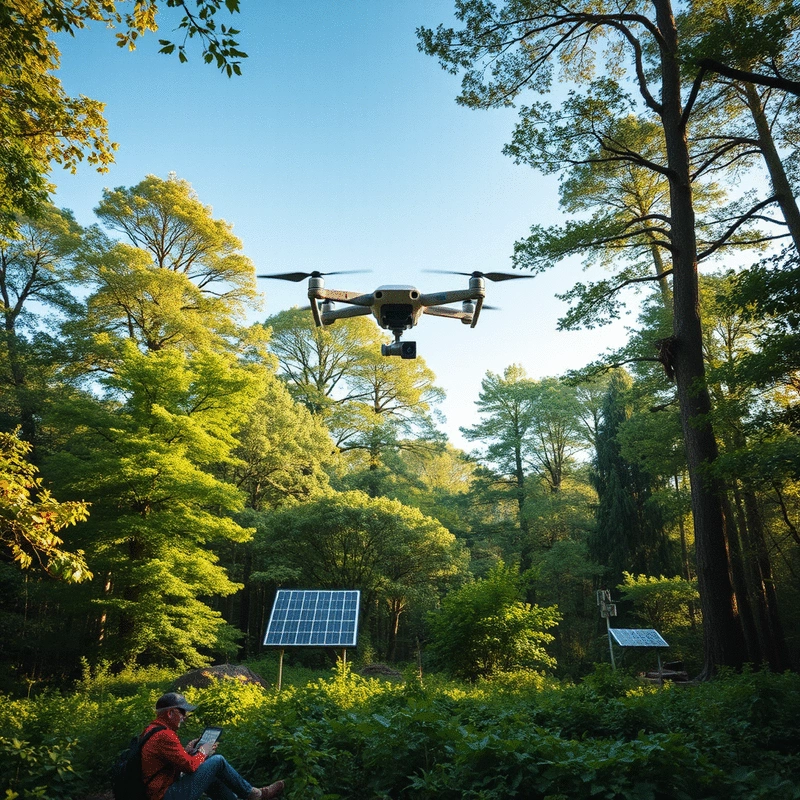
- Monitoring Tools: Technologies like satellite imagery and drones can offer real-time data on forest health.
- Reforestation Innovations: From tree-planting drones to advanced seed dispersal methods, technology is changing how we restore our forests.
- Data Analytics: Through predictive modeling and cloud computing, we can anticipate threats and act before it's too late.
These technological solutions are not just buzzwords; they represent tangible steps we can take to create a greener future. It's exciting to think about how these tools can empower individuals and communities to make informed decisions that support forest conservation. Together, we can harness technology to protect the lungs of our planet!
Quick Summary
Here's a brief recap of the key points discussed so far:
- Deforestation leads to biodiversity loss, climate change, and threatens indigenous communities.
- Technology plays a multifaceted role in monitoring, preserving, and restoring forests.
- Despite its promise, technological interventions face challenges such as scalability, infrastructure issues, and economic barriers.
Challenges and Limitations of Technology in Deforestation Prevention
Understanding Technological Drawbacks and Scalability Issues
While technology offers promising solutions to combat deforestation, it's essential to recognize its limitations. Many tools, although effective, can struggle with scalability. For example, satellite imagery may provide critical data, but the sheer volume of information can overwhelm even the best analysts, making timely decisions difficult.
Moreover, factors such as infrastructure and access to technology can vary greatly between regions. In some developing countries, the lack of reliable internet connectivity can hinder the use of advanced monitoring systems. This can leave vulnerable forests exposed to illegal activities, as they miss out on the protection that technology can provide. For strategies to nurture healthy forests, explore nurturing trees for healthier growth.
- High costs associated with implementing cutting-edge technology
- Insufficient training for local communities and stakeholders
- Data privacy concerns and potential misuse of information
Addressing Economic and Policy Barriers to Technology Adoption
Economic considerations also play a significant role in the adoption of technology for deforestation prevention. Many organizations and governments may lack the necessary funding to invest in these solutions. As a result, promising technologies remain underutilized. For instance, a cost-effective alternative to traditional methods may not gain traction without initial financial support.
Additionally, policy frameworks can either encourage or hinder technology adoption. Inconsistent regulations across different regions can create confusion and frustration for those trying to implement solutions. It’s crucial for policymakers to establish clear guidelines and support systems to facilitate the integration of technology into forest conservation efforts.
- Need for government incentives to adopt eco-friendly technologies
- Creating public-private partnerships to share costs and resources
- Encouraging international collaboration for knowledge sharing
Long-term Impact Studies and Future Prospects
Reviewing Case Studies and Their Measurable Outcomes
Examining effective case studies can provide valuable insights into how technology has been successfully employed in preventing deforestation. For instance, regions that have implemented sophisticated monitoring systems have reported measurable decreases in illegal logging activities. These success stories serve as beacons of hope, showcasing what can be achieved.
Another notable example is the use of drones in tree planting initiatives. These projects highlight how combining technology with local knowledge can lead to impactful results. Through these experiences, we can glean lessons that inform future technologies and methods for forest conservation. To understand how deforestation contributes to global warming, refer to deforestation's role in climate change.
- Case studies showcasing successful monitoring efforts
- Real-world examples of reforestation projects using drones
- Insights into community involvement and engagement
Envisioning the Future of Technology in Forest Conservation
As we look ahead, the potential for technology in forest conservation is exciting! Innovations like biodegradable sensors and advanced data analytics promise to enhance our understanding of forest ecosystems. These developments could revolutionize how we approach deforestation and conservation efforts.
Furthermore, as Timber & Thrive continues to advocate for sustainable practices, I believe we can leverage these emerging technologies to create a future where forests thrive. Imagine a world where cutting-edge tools are seamlessly integrated with local practices, all working in tandem to preserve our precious trees!
- Innovations in AI for real-time data analysis
- The development of community-driven technological solutions
- Collaboration between tech companies and conservation organizations
Engaging the Audience for Action and Sustainability
Encouraging Community Participation and Individual Responsibility
As we navigate the challenges and opportunities presented by technology in preventing deforestation, it’s vital for everyone to get involved. At Timber & Thrive, we believe that each individual can make a difference. Think about ways you can support local conservation efforts, whether through volunteering or advocating for sustainable practices in your community.
Simple actions can create ripple effects that inspire others to join the cause. Consider sharing your knowledge about the importance of trees and the role technology can play in protecting them. Together, we can build a community that values our forests and actively participates in their preservation!
- Participate in local reforestation events
- Educate friends and family about sustainable practices
- Use social media to spread awareness about deforestation issues
Call to Action for Sustainable Practices and Supporting Technology
Now is the time to step up and advocate for technological solutions to combat deforestation! Let’s work together to promote sustainable practices and support the adoption of innovative technologies. By choosing to engage with these initiatives, we can contribute to a greener future for our planet.
Join me in exploring how we can make a difference through our choices. Remember, every small action counts in the fight against deforestation. Let’s make a commitment today to protect our forests and foster a sustainable relationship with nature! For practical ways to make a difference, learn about local actions against deforestation.
Recap of Key Points
Here is a quick recap of the important points discussed in the article:
- Deforestation Crisis: It leads to biodiversity loss, climate change, and significantly impacts indigenous communities.
- Technological Interventions: Tools like satellite imagery, drones, and data analytics play a crucial role in monitoring, preserving, and restoring forests.
- Challenges of Technology: Limitations include high costs, infrastructure issues, and the need for proper training and policy support.
- Case Studies: Successful examples of technology use in forestry highlight effective monitoring and reforestation efforts.
- Community Engagement: Individual actions and local participation are essential for promoting sustainability and supporting conservation technologies.
- Call to Action: Advocating for sustainable practices and the adoption of innovative technologies is vital for combating deforestation.
Frequently Asked Questions About Technology in Deforestation Prevention
- Q1: How does deforestation impact indigenous communities?
- A1: Deforestation directly threatens the livelihoods, cultural heritage, and survival of over 200 million indigenous people who rely on forests for their way of life.
- Q2: What technological tools are used to monitor deforestation?
- A2: Key monitoring tools include satellite imagery, drones, and data analytics, which provide real-time data on forest health and help detect illegal activities.
- Q3: What are the main challenges in adopting technology for forest conservation?
- A3: Challenges include high costs, lack of training for local communities, inconsistent policy frameworks, infrastructure limitations in remote areas, and the sheer volume of data that needs analysis.
- Q4: Can technology help in reforestation efforts?
- A4: Yes, technology is actively used in reforestation through innovations like tree-planting drones and advanced seed dispersal methods, which can significantly enhance restoration efforts.
- Q5: How can individuals contribute to preventing deforestation using technology?
- A5: Individuals can contribute by supporting organizations that use technology for conservation, advocating for sustainable practices, educating others, and participating in community-driven initiatives that leverage technology.

Celia Greenwood
Celia Greenwood is a dedicated environmentalist and tree care expert with a passion for promoting sustainable practices. With years of experience in eco-friendly planting and tree preservation, Celia aims to educate and inspire others to embrace environmentally conscious choices. Her mission is to foster a community that values trees as vital components of our ecosystem, ensuring a greener future for generations to come.