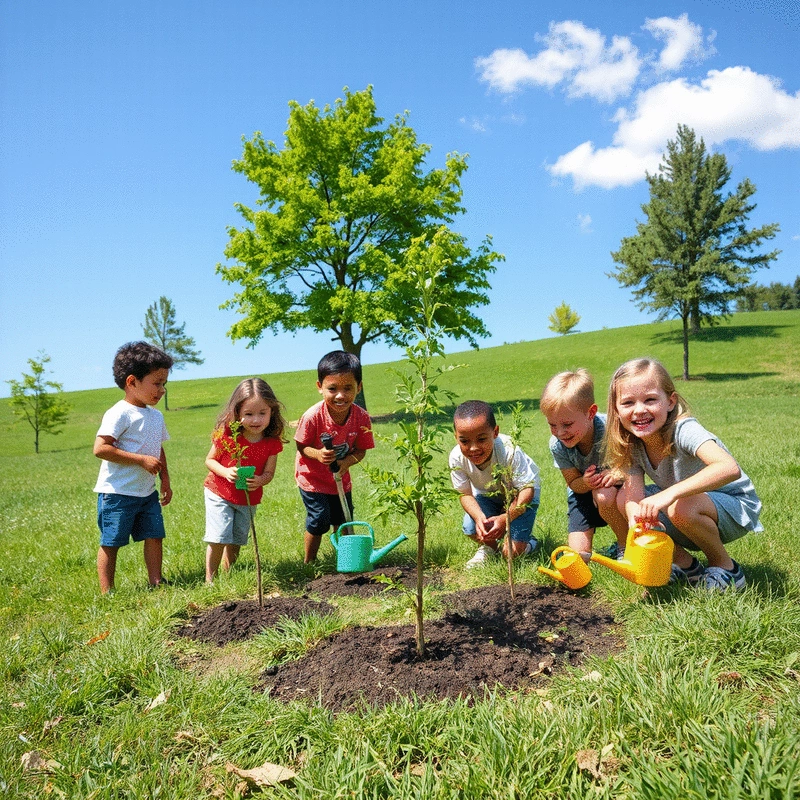
Encourages Physical Activity
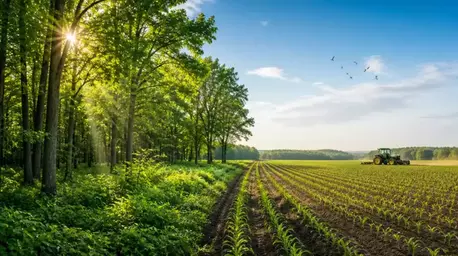
Planting trees involves digging and caring for the soil, keeping kids active and engaged.
What if the future of our planet depended on the education of our children today? As we face environmental challenges, teaching kids about sustainable tree planting can empower them to take action and foster a love for nature that lasts a lifetime.
Tree planting offers numerous advantages that foster children's physical, emotional, and cognitive development. Below are key benefits displayed in a visual format.
Planting trees involves digging and caring for the soil, keeping kids active and engaged.
Working together on tree planting projects promotes teamwork and communication among children.
Learning about different tree species expands children's knowledge and curiosity about ecosystems.
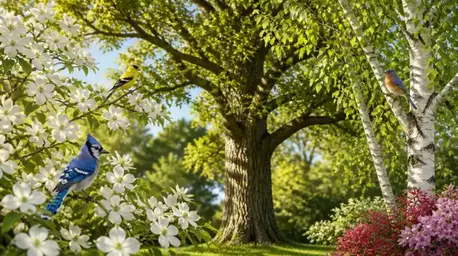
Experiencing the joy of planting seeds and watching them grow nurtures a bond with nature.
At Timber & Thrive, I believe that instilling a sense of environmental stewardship in children is crucial for nurturing a sustainable future. Teaching kids about sustainable tree planting not only empowers them to appreciate nature but also encourages them to take action in protecting our planet. When we invest time in educating our youth, we lay the groundwork for a greener tomorrow!
By introducing the concept of environmental stewardship in early education, we can help children understand their role in the ecosystem. This understanding fosters respect for nature and encourages them to participate in activities that benefit the environment. Imagine a classroom buzzing with excitement as children learn how to plant a tree and care for it—this is where the journey to becoming responsible environmental citizens begins! For more insights into fostering environmental responsibility, explore our guide on nurturing trees for healthier growth.
Defining environmental stewardship is vital for helping children grasp its importance. It means taking care of our natural resources and making choices that protect the environment for future generations. By instilling these values at a young age, we can inspire a lifelong love for trees and nature.
Environmental stewardship plays a significant role in child development. It encourages critical thinking and empathy towards living beings. When children engage in tree planting, they learn about ecosystems, biodiversity, and the connections between all life forms. It’s not just about planting a tree; it's about understanding the impact of their actions on the world around them.
Environmental stewardship can be defined as the responsible management of resources to ensure a sustainable future. It encompasses a wide range of activities, from conserving water to planting trees. Teaching children about this concept helps them develop:
By understanding their role as stewards of the planet, children learn that their actions can have a positive impact on the environment.
Connecting children with nature through tree planting provides numerous benefits. It enhances their physical and emotional well-being while fostering a sense of community. Children experience the joy of planting a seed and watching it grow, which is a powerful reminder of life cycles and nature's resilience.
Here are some benefits of tree planting for children:
At Timber & Thrive, I see the potential for our children to lead the way in preserving our environment. By planting seeds of knowledge today, we cultivate a generation ready to nurture our planet's future! Discover more about the importance of soil health for sustainable tree planting to ensure optimal growth and ecological benefits.
Community initiatives play a significant role in supporting environmental education. Organizations like the Arbor Day Foundation and TreePeople offer resources and programs designed to engage children in tree planting and conservation efforts. Through these partnerships, we can inspire the next generation to become advocates for the environment.
These organizations provide hands-on learning experiences that are both fun and impactful. Local schools and community groups can collaborate with them to create programs that focus on tree care and environmental stewardship. Imagine the excitement of watching children work together to plant trees in their community—it's a beautiful sight!
Engaging with organizations that champion tree planting and environmental education is essential. These organizations often provide:
By participating in these initiatives, we help children develop a connection with nature and understand the importance of trees in our ecosystem. For more information on identifying native species, check out our article on choosing native trees for planting.
Community gardens serve as incredible outdoor classrooms for children. They provide hands-on opportunities to learn about growing food, understanding ecosystems, and embracing sustainable practices. Engaging kids in community gardening initiatives helps bridge the gap between theory and practice, allowing them to experience the joy of nurturing plants.
In community gardens, children learn about:
By visiting these local ecosystems, children gain a deeper appreciation for their environment and the importance of preserving it. At Timber & Thrive, I encourage everyone to explore such initiatives because they are stepping stones toward a more sustainable future!
Here's a brief recap of the key points discussed so far:
Today, technology plays a crucial role in how we educate our children about sustainability. At Timber & Thrive, we believe combining hands-on activities with digital tools can create a dynamic learning environment. By using apps and online platforms, we can enhance learning experiences that make tree planting exciting and accessible for kids!
Imagine a classroom where students can engage with interactive tree planting simulations or track the growth of their planted trees using a mobile app. These resources not only make learning fun but also foster a deeper connection with nature. Here are some ways to effectively integrate digital tools into tree education:
Apps can be a game changer for young learners! With engaging visuals and interactive features, they serve as effective tools for teaching about trees and the environment. For instance, apps that show the growth cycle of a tree can help kids understand what it takes to nurture them from seed to full-grown tree.
Online platforms can also facilitate collaborative learning. Students can work together on virtual projects that highlight their tree planting efforts. Here are some popular platforms to consider:
Virtual events can bridge the gap between learning and action! Hosting a virtual tree planting session allows families to participate from the comfort of their homes. These sessions can include step-by-step instructions on how to plant trees, along with fun facts about the species they are planting.
In addition, educational videos can provide inspiration and guidance. By showcasing real-life tree planting initiatives, we can spark interest and motivate children to get involved. Here are ideas for video content:
At Timber & Thrive, we’re all about eco-friendly practices! Engaging students in eco-friendly crafts and activities can foster creativity while promoting sustainability. By incorporating nature in fun and imaginative ways, we can teach kids the importance of taking care of our planet.
Crafting with recycled materials or creating artwork inspired by trees are great ways to blend creativity and environmental education. Here are some eco-friendly activities to try:
Getting involved in the community is a wonderful way to reinforce lessons about sustainability. Schools can offer volunteer programs or eco clubs where children can participate in local conservation efforts. These initiatives not only teach responsibility but also foster a sense of belonging.
Encouraging kids to join eco clubs can help them connect with like-minded peers who share their passion for the environment. Here are some ideas for eco club activities:
By integrating these interactive and digital resources into tree education, we can create a vibrant learning atmosphere that inspires the next generation of environmental stewards. Let’s embrace these tools together and nurture a love for trees that lasts a lifetime! For more ways to support local ecosystems, consider learning about wildlife-friendly gardens with trees.
Here is a quick recap of the important points discussed in the article:
Celia Greenwood is a dedicated environmentalist and tree care expert with a passion for promoting sustainable practices. With years of experience in eco-friendly planting and tree preservation, Celia aims to educate and inspire others to embrace environmentally conscious choices. Her mission is to foster a community that values trees as vital components of our ecosystem, ensuring a greener future for generations to come.