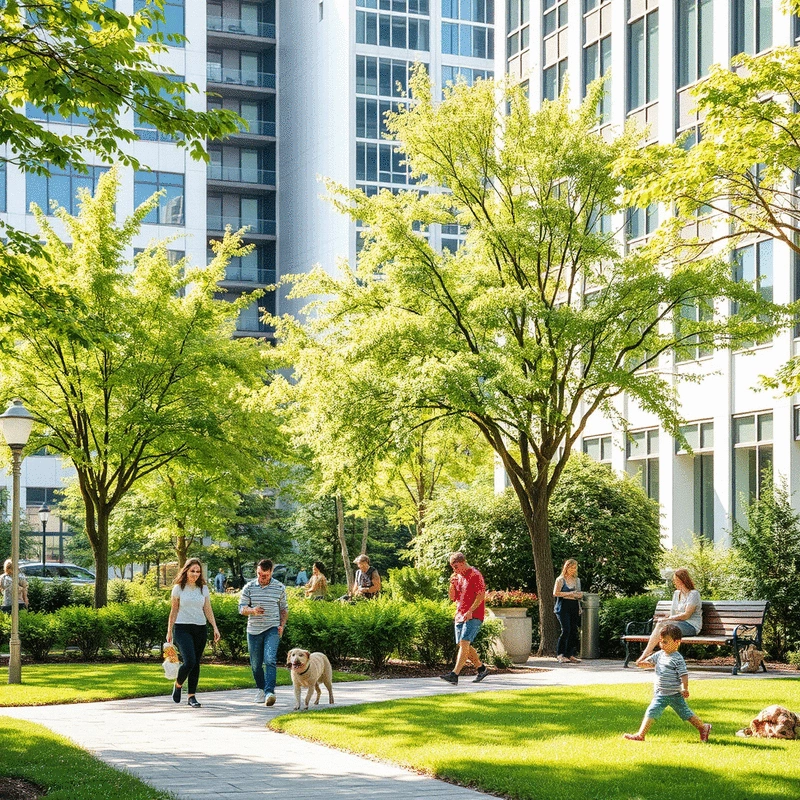
Health Benefits
- Reduced stress and anxiety
- Encourages physical activity
- Supports mental wellness
Urban forestry isn't just about planting trees; it's about creating healthier, more sustainable cities. With each tree, we weave a tapestry of benefits that enhance our quality of life, from improved air quality to increased community cohesion. As we explore the multifaceted advantages of urban forestry, you'll discover how these initiatives can positively impact not only our environment but also our well-being and local economies.
Urban forestry brings numerous benefits to city dwellers, enhancing health, environment, and economy. Below are some highlighted benefits, including the importance of sustainable tree care practices:
Urban forestry is more than just planting trees in our neighborhoods; it is a vital resource for enhancing the quality of life in cities. As I reflect on my work with Timber & Thrive, I see how trees weave together the fabric of urban life, offering benefits that extend far beyond their beauty. This article explores the multifaceted advantages urban forestry brings, particularly for those of us living in bustling city environments.
Urban forestry involves the management and care of trees in urban settings, including parks, streets, and even residential areas. By integrating trees into our cities, we not only enhance our landscapes but also address critical environmental issues, such as climate change and air quality. At Timber & Thrive, we believe that recognizing the importance of urban forestry is the first step toward fostering a healthier, more sustainable community.
Here are some key points that highlight the importance of urban forestry:
Urban trees play a significant role in promoting community health, offering both physical and mental health benefits. Trees can help lower stress levels, reduce anxiety, and improve overall well-being. As I walk through neighborhoods, I am often reminded of how a simple stroll beneath the canopy of trees can uplift spirits and encourage a sense of peace. For more details on maintaining healthy trees, consider exploring nurturing trees for healthier growth.
Key benefits of urban trees for community health include:
Urban forestry is also closely tied to urban ecology and biodiversity. Trees contribute to a vibrant ecosystem by supporting local flora and fauna. By planting native species, we can help restore balance and resilience to our urban environments. This connection between urban forestry and biodiversity reminds us that every tree planted is a step towards nurturing our planet.
Here’s how urban forestry supports biodiversity:
Having access to green spaces can greatly enhance mental health. Studies show that spending time in nature lowers stress levels and promotes feelings of happiness. As an advocate for sustainable practices, I often encourage others to explore the green corners of their communities. It’s amazing how a walk in a park can lift your mood and foster creativity!
Consider these mental health benefits:
Urban trees promote physical activity by creating inviting spaces for exercise and recreation. Parks filled with trees encourage walking, jogging, and family activities. At Timber & Thrive, we often see communities come together in these spaces, creating bonds over shared outdoor experiences.
Some physical health benefits of urban forestry include:
Trees are nature’s air purifiers! They absorb carbon dioxide and release oxygen, making our air cleaner and healthier to breathe. In cities where pollution can be a concern, urban forestry plays an essential role in improving air quality and reducing respiratory issues.
Here’s how trees help clear the air:
Did you know that trees can help reduce noise pollution? Their leaves and branches act as natural sound barriers, softening city sounds and creating a more peaceful environment. As I spend time in urban parks, I often notice how the sound of rustling leaves can drown out the hustle and bustle of city life. This also aligns with the broader goal of tree planting and carbon footprint reduction.
Benefits of trees in reducing noise include:
The urban heat island effect occurs when cities become significantly warmer than their rural surroundings, mainly due to human activities and infrastructure. Urban forestry helps combat this by providing shade and cooling the air. Trees can lower temperatures, making city life more comfortable, especially during hot summer months.
Here are ways urban forestry helps manage this effect:
Urban areas often struggle with stormwater runoff, leading to flooding and pollution. Trees play a crucial role in managing stormwater by absorbing rainwater and reducing runoff. This natural filtration helps keep our waterways clean and reduces the risk of flooding.
Key benefits of trees in stormwater management include:
Trees are champions in the fight against climate change. They absorb carbon dioxide, a major greenhouse gas, and store it, helping to mitigate global warming. By investing in urban forestry, we can contribute to a healthier planet for future generations.
Benefits of carbon sequestration include:
Urban forestry creates vital green spaces that enhance biodiversity in cities. These areas provide habitats for wildlife and support various plant species. At Timber & Thrive, we understand the importance of biodiversity in maintaining healthy ecosystems and strive to promote the planting of native species wherever possible.
Here's how urban forestry enhances biodiversity:
Research shows that properties located near green spaces tend to have higher values. Urban forestry enhances the aesthetic appeal of neighborhoods, which can make homes more desirable. As a tree care expert, I often see the positive impacts of trees on property values during my consultations with homeowners.
Economic advantages of urban forestry include:
As urban areas grow hotter, the demand for air conditioning increases. Trees provide natural shade, leading to significant cooling benefits that can reduce energy bills. By planting more trees, we can create a sustainable living environment that benefits both our wallets and the planet.
Ways trees contribute to energy savings include:
Urban forestry contributes to the vibrancy of neighborhoods, creating appealing environments for local businesses. Tree-lined streets often attract pedestrians, leading to increased foot traffic and retail sales. I’ve seen firsthand how well-maintained green spaces can rejuvenate local economies, echoing the sentiments of starting a community tree project.
Benefits for local businesses include:
Urban forestry initiatives create job opportunities in tree care, landscaping, and environmental education. By investing in these programs, cities can stimulate local economies and provide valuable employment. Timber & Thrive aims to empower individuals seeking careers in environmental stewardship through our workshops and training sessions.
Economic benefits of green jobs include:
Urban forests create spaces where community members can gather, fostering connections and engagement. Through tree planting events, workshops, and recreational activities, residents can bond over their shared love for nature. As I participate in these gatherings, I am always thrilled to witness the friendships that blossom in the shade of our urban trees!
Community benefits include:
Urban forests provide recreational spaces for everyone—families, dog walkers, joggers, and nature enthusiasts alike. Parks filled with trees offer areas for play, relaxation, and exercise, enriching our urban experiences. At Timber & Thrive, we advocate for the creation of accessible green spaces that invite all community members to enjoy the benefits of nature.
Benefits of recreational spaces include:
Urban trees have a unique ability to beautify our neighborhoods. Their vibrant colors and shapes add character to city landscapes, making them more pleasant to navigate. As someone passionate about tree care, I take great pride in seeing how properly maintained trees can transform urban areas into inviting spaces.
Key aesthetic benefits of urban trees include:
Urban forestry significantly contributes to both mental and physical health. Green spaces help reduce stress and anxiety, improve mental well-being, and encourage physical activity by providing inviting areas for exercise and relaxation.
Urban trees improve air quality by absorbing pollutants and releasing oxygen. They also help reduce noise pollution, manage stormwater runoff, mitigate the urban heat island effect, and sequester carbon dioxide, playing a crucial role in combating climate change.
Urban forestry can increase property values due to enhanced aesthetics and desirability. It also leads to energy savings by providing natural shade, reducing the need for air conditioning, and boosting local retail sales by attracting more foot traffic to green, vibrant neighborhoods.
Urban forests create communal spaces for social interactions, leading to stronger community bonds. Tree planting events, workshops, and recreational activities encourage volunteerism and enhance neighborhood pride, bringing residents together.
Key challenges include securing adequate funding for ongoing maintenance, ensuring equitable tree planting and care across all neighborhoods, and integrating urban forestry with smart city initiatives for long-term climate adaptation and sustainable land use planning.
One of the challenges with urban forestry is the ongoing maintenance required to keep trees healthy and thriving. Cities must allocate funds for care, which can be tricky, especially in tight budgets. However, investing in tree care is essential for reaping long-term benefits, both environmentally and economically. This includes implementing sustainable care for new trees.
Challenges include:
Ensuring that all neighborhoods receive equitable tree planting and maintenance is crucial. Some areas may lack access to green spaces, leading to disparities in benefits. At Timber & Thrive, we strive to advocate for programs that address these inequities and promote inclusive urban forestry practices.
Key issues to address include:
The future of urban forestry lies in integrating technology to enhance the management and care of green spaces. Smart city initiatives can use data to track tree health, monitor environmental conditions, and engage communities. Embracing innovation in urban forestry will lead to more resilient and adaptive cities.
Key technological advancements include:
As climate change continues to impact our cities, adapting forestry practices is essential for resilience. Urban forests can play a crucial role in climate adaptation through strategies that prioritize tree planting, preservation, and care. At Timber & Thrive, we are committed to promoting practices that help our communities thrive in the face of environmental challenges.
Adaptation strategies include:
Integrating urban forestry into land use planning is essential for creating sustainable cities. Thoughtful planning can ensure that green spaces are prioritized in new developments, benefiting both residents and the environment. As we work towards a greener future at Timber & Thrive, we advocate for policies that support sustainable urban forestry practices.
Key considerations for land use planning include:
Here's a brief recap of the key points discussed so far:
As we reflect on the crucial role of urban forestry, it becomes clear that this practice is not just a luxury but a necessity for city dwellers. The benefits extend far beyond aesthetics; they encompass health, environmental sustainability, and economic enhancement. Understanding these multifaceted benefits can inspire us to advocate for greener urban spaces, making our cities healthier and more vibrant.
From improving air quality to boosting mental health, urban forests create spaces where people thrive. Moreover, they drive economic growth, enhancing property values and supporting local businesses. By embracing urban forestry, we foster a community that values nature and its essential role in our daily lives.
Let’s break down some key takeaways about why urban forestry is vital for our cities:
By recognizing these benefits, we can all contribute to the movement towards sustainable city living. As a part of Timber & Thrive, I believe that every tree planted is a step toward a brighter future, especially when considering eco-friendly tree planting tips.
Community involvement is the heart of successful urban forestry initiatives. Here are some ways residents can get involved:
By actively participating, we not only enrich our local environment but also build connections with our neighbors. At Timber & Thrive, I love seeing communities come together to embrace the green initiatives that transform our cities.
The time to act is now! Here are some resources and local organizations you can join to support urban forestry:
Every action counts! By getting involved with urban forestry projects, we not only contribute to a greener future but also pave the way for a community that values sustainability and environmental stewardship. Let’s work together to make our urban spaces thrive, one tree at a time!
Here is a quick recap of the important points discussed in the article:
Celia Greenwood is a dedicated environmentalist and tree care expert with a passion for promoting sustainable practices. With years of experience in eco-friendly planting and tree preservation, Celia aims to educate and inspire others to embrace environmentally conscious choices. Her mission is to foster a community that values trees as vital components of our ecosystem, ensuring a greener future for generations to come.