Sustainable Care for New Trees

how to care for newly planted trees sustainably

Trees are not just beautiful elements of our landscapes; they are essential to our ecosystem's health and sustainability. By adopting sustainable practices in tree care, we can ensure these vital organisms not only survive but thrive in their environment. Let's explore the significant insights you can gain from understanding sustainable tree care.

What You Will Learn

  • Sustainable tree care enhances biodiversity, contributing positively to local ecosystems.
  • Healthy trees improve soil health by fostering beneficial organisms, which is essential for plant growth.
  • Long-term sustainable practices lead to increased tree longevity, economic value, and community bonding.
  • Trees play a crucial role in climate resilience and carbon sequestration, helping to mitigate climate change effects.
  • Proper care in the initial years, such as watering and mulching, is vital for successful tree establishment.
  • Regular monitoring for pests and diseases, along with strategic pruning, promotes healthy tree growth.
  • Engaging with local arborists can provide tailored advice and support for effective tree care.
  • Community involvement in tree care initiatives fosters a culture of sustainability and environmental stewardship.

Key Benefits of Sustainable Tree Care

Understanding the long-term advantages of sustainable practices in tree care can greatly enhance our ecosystems. For more detailed information on nurturing trees for healthier growth, visit Nurturing Trees for Healthier Growth.

Enhances Biodiversity

Sustainable tree care promotes a diverse range of species, enriching local ecosystems.

Improves Soil Health

Healthy trees contribute to nutrient-rich soil by encouraging beneficial organisms to thrive.

Increases Resilience

Trees established with sustainable methods are more resilient to pests, diseases, and climate changes.

Increased Longevity

Trees that are properly cared for can live longer, contributing to a healthier landscape over time.

Economic Value

Well-maintained trees add value to properties, enhancing curb appeal and potentially attracting buyers.

Community Connection

Sustainable practices foster a sense of community, as neighbors come together to care for shared green spaces.

Understanding the Importance of Sustainable Tree Care for Newly Planted Trees

When we think about trees, we often picture their majestic forms standing tall and proud. But have you ever paused to consider the journey they take from a mere seed to a thriving tree? At Timber & Thrive, we believe that understanding the significance of sustainable tree care, especially for newly planted trees, is crucial for fostering a healthier ecosystem. By taking the right steps now, we can ensure our trees not only survive but flourish in the years to come!

Sustainable practices in tree establishment aren’t just beneficial—they're essential! Trees play a vital role in our environment, contributing to air quality, wildlife habitats, and even our own well-being. When we plant and care for trees responsibly, we help them adapt to their surroundings and support the broader ecosystem. This investment in sustainability reflects our commitment to environmental stewardship, a core value at Timber & Thrive.

Why Sustainable Practices Matter in Tree Establishment

As we embark on the journey of nurturing newly planted trees, it's important to understand why sustainable practices matter. Trees are not just beautiful additions to our landscapes; they are integral parts of our ecosystem. They provide shade, reduce soil erosion, and offer habitat for countless species. Here are a few key reasons why adopting sustainable practices is critical:

  • Enhances Biodiversity: Sustainable tree care promotes a diverse range of species, enriching local ecosystems.
  • Improves Soil Health: Healthy trees contribute to nutrient-rich soil by encouraging beneficial organisms to thrive.
  • Increases Resilience: Trees established with sustainable methods are more resilient to pests, diseases, and climate changes.

At Timber & Thrive, we advocate for these practices because they create a lasting positive impact, ensuring that our trees can withstand the challenges of their environment. For further reading on this topic, explore Sustainable Tree Care for Biodiversity.

The Role of Trees in Ecosystem Health

Have you ever thought about how trees interact with their environment? They do so much more than just provide shade. Trees play a critical role in maintaining ecosystem health. They absorb carbon dioxide, release oxygen, and filter pollutants. This process helps to improve air quality and combat climate change, making our planet a healthier place to live.

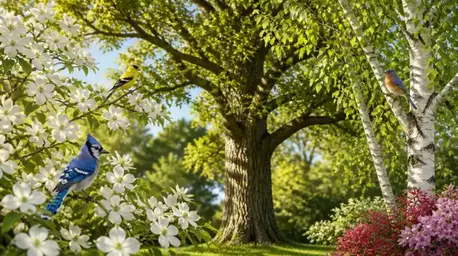
In addition, trees provide food and shelter for various wildlife species. They create habitats for birds, insects, and mammals, contributing to rich biodiversity. By planting and caring for trees sustainably, we help to support these essential life forms and foster a balanced ecosystem.

Long-term Benefits of Sustainable Tree Care

By investing in sustainable tree care now, we set the stage for a thriving environment in the future. The long-term benefits include:

  • Increased Longevity: Trees that are properly cared for can live longer, contributing to a healthier landscape over time.
  • Economic Value: Well-maintained trees add value to properties, enhancing curb appeal and potentially attracting buyers.
  • Community Connection: Sustainable practices foster a sense of community, as neighbors come together to care for shared green spaces.

When we choose sustainable tree care, we’re not just making a decision for today; we're investing in a greener tomorrow.

Climate Resilience and Carbon Sequestration

As we face the challenges of climate change, trees emerge as our allies in the fight for a healthier planet. They help in carbon sequestration, absorbing carbon dioxide and thus mitigating the effects of greenhouse gases. When we practice sustainable tree care, we enhance the ability of trees to sequester carbon effectively. This is a crucial step in combating climate change!

Moreover, trees contribute to climate resilience by providing shade, reducing heat, and lowering energy consumption in urban areas. By incorporating sustainable practices in tree establishment, we ensure that our trees can thrive amidst changing climate conditions, ultimately contributing to a more stable environment for all. For more on how trees contribute to climate resilience, read about Trees: Nature's Climate Change Solution.

Pro Tip

Did you know that incorporating companion planting can enhance the health of your newly planted trees? By planting compatible flowers or plants nearby, you can naturally deter pests and improve soil nutrients, creating a thriving ecosystem for your trees.

Looking Ahead: Long-term Care and Maintenance for Newly Planted Trees

As the years unfold, caring for your newly planted trees becomes a journey filled with growth and learning. At Timber & Thrive, we believe that understanding what to expect in the early years can help you nurture your trees more effectively. Each year brings its own set of challenges and triumphs, making it essential to stay informed and proactive in your tree care routine.

From the first year of planting, you will notice how your tree develops and changes with the seasons. Observing these transformations not only deepens your connection with nature but also equips you with the knowledge to address any issues that may arise. In this guide, we’ll explore a year-by-year look at tree development, common problems you might encounter, and seasonal care tips to keep your trees flourishing.

Year-by-Year Guide to Tree Development

In the first five years after planting, expect to see significant changes as your trees establish themselves. Here's a quick overview of what to anticipate:

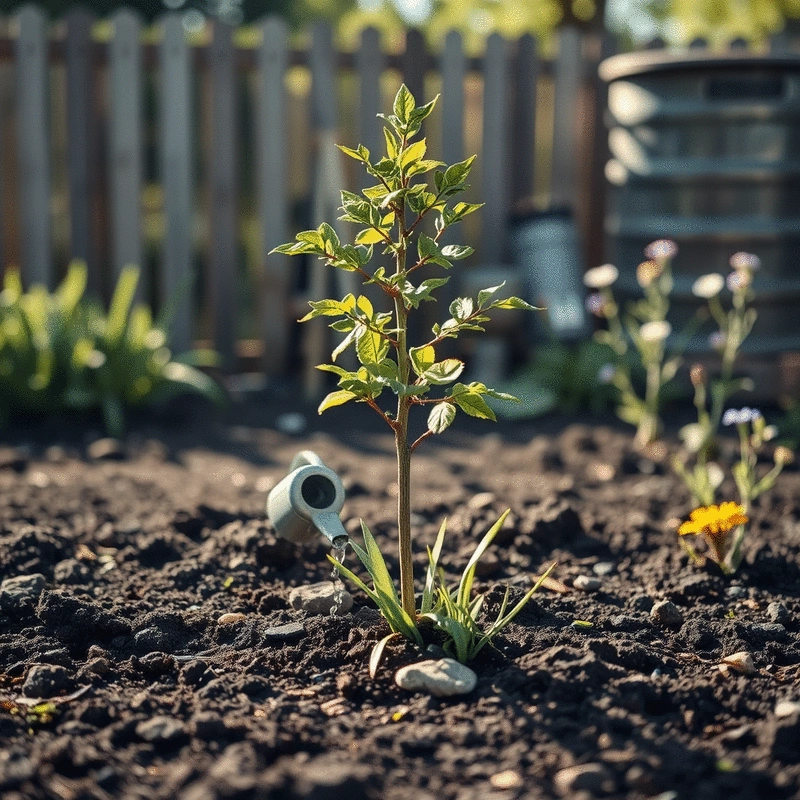
  • Year 1: Focus on strong root establishment. Watering and mulching are key to helping your tree adjust to its new home.
  • Year 2: You’ll see increased growth above ground. Regular checks for pests and diseases become crucial during this time.
  • Year 3: Trees should start branching out. This is the moment to begin light pruning to encourage healthy structure.
  • Year 4: Continue enhancing your tree's canopy. Implementing sustainable practices such as organic fertilizing will benefit growth.
  • Year 5: Your tree is now well-established! Regular maintenance will help it thrive for years to come.

Common Problems and Solutions in Young Trees

Throughout these early years, you might encounter some common issues. Here are a few challenges and their solutions to keep in mind:

  • Pests: Check for any signs of insect activity. Using organic pest management techniques can help protect your tree without harming the environment.
  • Water Stress: If leaves start wilting or turning brown, adjust your watering schedule to ensure proper hydration.
  • Improper Pruning: If branches are crossing or overcrowded, gentle pruning can maintain good structure and health.

Seasonal Care Tips for Sustained Health

Each season brings unique opportunities to care for your trees. Here are some tips to keep in mind:

  • Spring: This is the ideal time for fertilizing and mulching to give your trees a nutrient boost as they wake from dormancy.
  • Summer: Monitor for pests and ensure adequate watering during dry spells—your trees will thank you!
  • Fall: Fall is an excellent time for pruning and preparing your trees for the winter months ahead.
  • Winter: Protect your trees from harsh weather by applying mulch and ensuring they are well-watered before the frost.

Recapping Sustainable Practices for Young Tree Care

As we reflect on the journey of caring for young trees, it’s important to recognize the sustainable practices that can guide us. At Timber & Thrive, we advocate for a hands-on approach to tree care that emphasizes the health of both your trees and the surrounding ecosystem. Let’s recap some key takeaways that can help you maintain your trees sustainably.

Key Takeaways for Sustainable Tree Maintenance

Here are some essential points to remember as you nurture your young trees:

  • Regular watering is crucial, especially in the first few years. Pay attention to soil moisture levels.
  • Utilize organic mulch to retain moisture and suppress weeds.
  • Prune strategically to promote healthy growth while avoiding over-pruning.
  • Choose native trees that are adapted to your local environment to enhance biodiversity.

Engaging with Your Local Arborists for Ongoing Support

Connecting with local arborists can provide valuable support as you care for your trees. They can offer expert advice tailored to your specific environment and tree species. For more information, consider reading about Sustainable Tree Care Practices.

When to Seek Professional Help

Knowing when to call in a professional is essential. Here are some signs it's time to reach out:

  • Visible signs of disease or pest infestations that you cannot manage on your own.
  • Unusual growth patterns or tree instability.
  • Questions about advanced pruning techniques or tree care strategies.

Questions to Ask Your Arborist

When you do consult an arborist, consider asking:

  • What specific care does my tree species require?
  • Are there local pests or diseases I should be aware of?
  • How can I improve the soil condition for better growth?

Encouraging Sustainable Tree Care Practices in Your Community

Ultimately, fostering a culture of sustainable tree care extends beyond our own yards. At Timber & Thrive, we believe in the power of community engagement to inspire collective action for a greener future. Let’s explore how you can encourage sustainable practices in your neighborhood!

Sharing Knowledge and Resources on Tree Care

Spreading knowledge about tree care can empower others to join in our mission. Here are a few ways to get started:

  • Community Workshops: Organize workshops focused on sustainable tree care practices.
  • Online Resources: Share articles or guides on social media that highlight the importance of tree maintenance.
  • Local Events: Participate in or host community tree planting events to foster enthusiasm and collaboration.

How to Organize Community Tree Planting Events

Planning a tree planting day can be a rewarding experience! Here’s how to get started:

  • Choose a suitable location that could benefit from new trees.
  • Gather volunteers from your community to help with planting and care.
  • Provide educational material on sustainable practices during the event.

Leveraging Local Parks and Gardens for Education

Utilizing local parks and gardens as educational spaces can help spread the word about sustainable tree care. Consider:

  • Setting up informational booths about tree care best practices.
  • Creating guided tours that showcase the importance of native species.
  • Collaborating with park officials for community involvement.

Collaboration with Community Gardens for Biodiversity

Partnering with community gardens can enhance biodiversity in your area. Here are some ideas:

  • Introduce native plants into community gardens to support local wildlife.
  • Host joint educational sessions on sustainable practices.
  • Encourage sharing resources and knowledge to promote a cohesive approach to tree care.

Call to Action: Start Caring for Your Newly Planted Trees Sustainably

Now is the perfect time to take action! As we nurture our newly planted trees, let’s commit to sustainable practices that benefit both our environment and communities. Remember, every little step counts. Join me at Timber & Thrive in making a difference—one tree at a time! What steps will you take today to support our planet's green future? For more insights into fostering sustainable practices, check out Starting a Community Tree Project.

Recap of Key Points

Here is a quick recap of the important points discussed in the article:

  • Importance of Sustainable Practices: Sustainable tree care is essential for enhancing biodiversity, improving soil health, and increasing resilience against pests and climate changes.
  • Long-term Benefits: Proper tree care leads to increased longevity, economic value, and fosters community connections around shared green spaces.
  • Climate Resilience: Trees play a key role in carbon sequestration and can help mitigate the impacts of climate change while providing shade and reducing energy consumption.
  • Year-by-Year Tree Development: Understanding tree growth stages and common care challenges from the first to the fifth year is crucial for successful tree establishment.
  • Community Engagement: Encouraging sustainable practices in your community through workshops, events, and collaboration with local gardens can amplify your impact.

Frequently Asked Questions About Sustainable Tree Care

Q: What are the main benefits of sustainable tree care?
A: Sustainable tree care enhances biodiversity, improves soil health, increases tree resilience against pests and diseases, leads to increased longevity, adds economic value to properties, and fosters community connection.
Q: Why is sustainable care particularly important for newly planted trees?
A: Sustainable practices for newly planted trees are crucial for establishing strong roots, helping them adapt to their environment, and ensuring they thrive long-term. This early investment supports their role in air quality, wildlife habitats, and overall ecosystem health.
Q: How do trees contribute to climate resilience and carbon sequestration?
A: Trees absorb carbon dioxide from the atmosphere, helping to mitigate greenhouse gas effects (carbon sequestration). They also contribute to climate resilience by providing shade, reducing urban heat, and lowering energy consumption, helping to stabilize the environment amidst changing climate conditions.
Q: What should I expect in the first five years of a newly planted tree's development?
A: In Year 1, focus on root establishment with consistent watering and mulching. Year 2 brings increased above-ground growth and requires monitoring for pests. Year 3 is for light pruning to encourage branching. Year 4 involves enhancing the canopy with organic fertilizing. By Year 5, the tree should be well-established and ready for regular maintenance.
Q: When should I consider seeking professional help from an arborist?
A: You should consult an arborist if you notice visible signs of disease or pest infestations that you can't manage, unusual growth patterns or tree instability, or if you have questions about advanced pruning techniques or specific tree care strategies for your species.
About !author

Celia Greenwood

Celia Greenwood is a dedicated environmentalist and tree care expert with a passion for promoting sustainable practices. With years of experience in eco-friendly planting and tree preservation, Celia aims to educate and inspire others to embrace environmentally conscious choices. Her mission is to foster a community that values trees as vital components of our ecosystem, ensuring a greener future for generations to come.

Popular Posts

Trees Against Deforestation: A Guide the role of trees in combating deforestation Every year, millions of trees are lost to deforest
Promoting Urban Reforestation Together ways to promote reforestation in urban areas Urban spaces are rapidly evolving, with green init
Urban Forestry Benefits for Residents exploring the benefits of urban forestry for city dwellers Urban forestry isn't just about planting trees; it