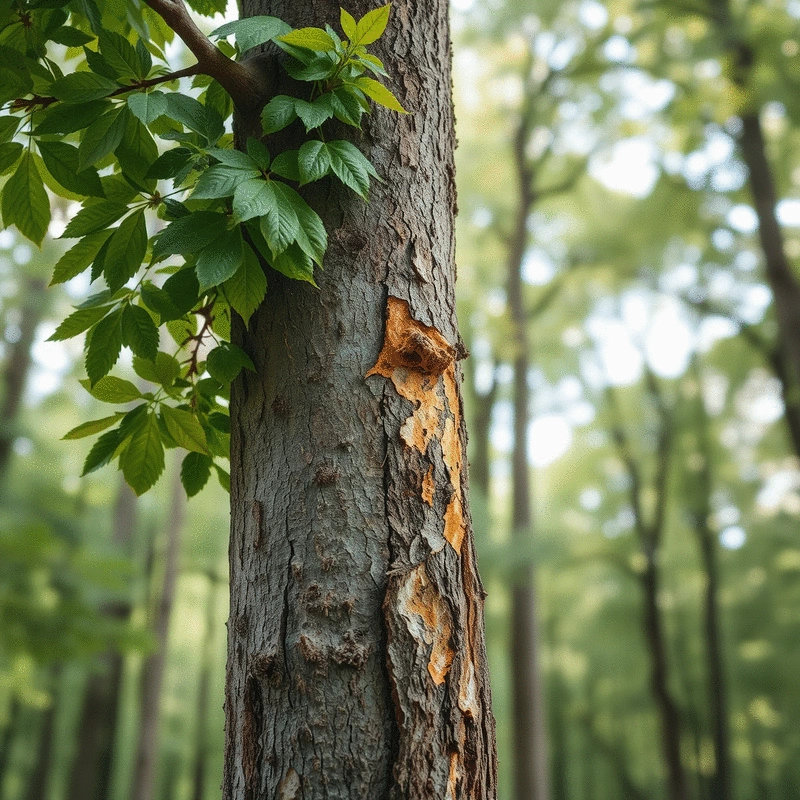
Heat Stress
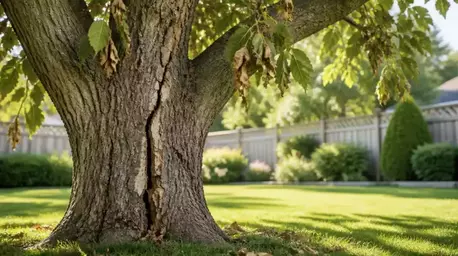
Excessive heat can lead to changes in stomatal behavior, affecting transpiration and overall tree vitality.
As we navigate the complexities of climate change, one aspect often overlooked is its profound impact on our forests and trees. With forests acting as essential players in ecological balance, understanding their health becomes crucial in combating the climate crisis. This exploration reveals that each tree not only beautifies our landscapes but also plays a vital role in maintaining the health of our planet.
Understanding how trees respond to climate change is essential for fostering healthier forests. Below are important insights into tree health and their interactions with environmental factors. For more details on maintaining robust trees, explore nurturing trees for healthier growth.
Excessive heat can lead to changes in stomatal behavior, affecting transpiration and overall tree vitality.
Water scarcity can severely hinder growth rates and even threaten tree survival, highlighting the need for proper water management.
Adequate soil moisture is crucial for photosynthesis; without it, trees struggle to thrive.
When we think about climate change, it's easy to imagine melting ice caps and rising sea levels. However, it's crucial to understand how this global challenge directly impacts our forests and trees. Trees play a vital role in our ecosystems, and any shift in their health can lead to significant consequences for the environment. As a passionate advocate for tree care at Timber & Thrive, I believe it’s essential to comprehend this complex relationship. Together, we can explore how climate change affects tree health and what we can do to foster resilience.
Climate change refers to long-term alterations in temperature and weather patterns, primarily due to human activities like burning fossil fuels and deforestation. These shifts can disrupt forest ecosystems in various ways. For instance, altered precipitation patterns can lead to both droughts and floods, affecting trees' ability to survive and thrive. Understanding this is key to appreciating why protecting our forests is so crucial for our planet. For a deeper dive into these environmental challenges, consider reading about deforestation's role in climate change.
At Timber & Thrive, we recognize that forests are not just a collection of trees; they are complex ecosystems that support a wide range of wildlife. Protecting these ecosystems is essential not only for the trees but also for the birds, insects, and other flora that depend on them. By understanding climate change, we can take meaningful steps to mitigate its impacts on tree health.
Tree health is a cornerstone of ecological balance. Healthy trees contribute to clean air, stable soil, and a diverse array of wildlife. They also play a critical role in carbon sequestration, helping to reduce greenhouse gases in the atmosphere. When trees become stressed due to climate change, their ability to provide these benefits diminishes, leading to a cascade of environmental issues.
As an environmentalist, I often reflect on how each of us can make a difference. By promoting sustainable tree care practices and understanding the interconnectedness of our ecosystems, we can foster healthier forests and a stronger planet. At Timber & Thrive, we’re dedicated to educating our community about these vital relationships, ensuring that everyone plays their part in nurturing our green spaces.
Did you know? Regularly monitoring the health of your trees can significantly enhance their resilience against climate change. Consider implementing a yearly tree health assessment that includes checking for pests, disease, and soil moisture levels. This proactive approach allows you to address any issues before they escalate, ensuring your trees remain strong and supportive of the ecosystem.
As we reflect on the intricate relationship between climate change and tree health, it becomes clear just how vital this understanding is for our forests. Trees are not just beautiful elements of our landscape; they are essential for maintaining ecological balance and combating climate change. Every time we plant a tree or care for our green spaces, we’re making a difference!
Over the course of this discussion, we’ve explored how climate shifts impact tree physiology, from heat waves to drought stress. When we prioritize tree health, we are not only nurturing our environment but also enhancing biodiversity and ensuring that our future generations inherit vibrant forests. The takeaway? Each tree plays a role in our planet's health, and we must work together to safeguard them.
In understanding the complex responses of trees to climate change, here are some key points to remember:
As an advocate for sustainable practices at Timber & Thrive, I believe that by focusing on these areas, we can foster healthier forests. This not only helps in climate mitigation but also strengthens our ecosystems against future adversities.
Looking ahead, it’s crucial to focus on innovative research and forest management strategies that can enhance tree resilience. Here are some future directions we should consider:
At Timber & Thrive, we’re committed to educating our community about these vital issues and advocating for responsible forest management. Together, we can take steps toward a greener future, ensuring that our trees remain healthy and resilient against the impacts of climate change!
As passionate individuals, we have the power to impact tree health positively! Whether through community initiatives or simply caring for a tree in our backyard, every effort counts. We can all contribute to a greener planet by making informed choices about our environment. For more practical advice on sustainable actions, check out sustainable tree care practices.
Imagine fostering a community where everyone is invested in tree care. This collective action can lead to significant changes! Here’s how you can get involved:
Every little action can help make a big difference in promoting tree health and environmental stewardship. Let's unite our efforts at Timber & Thrive, working together for a sustainable future!
Community involvement is key to effective forestry management. By participating in local programs, we can learn more about sustainable practices and contribute to the conservation of our forests. Consider these options:
By engaging in these activities, not only do we support our local ecosystems, but we also foster a sense of community and shared responsibility. Together, let’s create a greener world, one tree at a time! To learn more about getting involved with local initiatives, consider exploring resources on starting a community tree project.
Here is a quick recap of the important points discussed in the article:
A: Climate change alters temperature and precipitation patterns, leading to increased heat stress, prolonged droughts, and more frequent extreme weather events. These conditions disrupt tree physiology, affecting growth rates, water uptake, and overall vitality.
A: Healthy trees are vital for clean air, stable soil, and biodiversity. They play a crucial role in carbon sequestration, reduce greenhouse gases, provide habitats for wildlife, regulate temperatures, improve urban air quality, and prevent soil erosion.
A: The main stressors include excessive heat (leading to changes in stomatal behavior), water scarcity (causing drought impact and hindering growth), and inadequate soil moisture (critical for photosynthesis).
A: Individuals can plant native species, participate in tree planting events, educate friends and family about sustainable tree care, join local conservation groups, attend workshops, and volunteer for community clean-up days.
A: Future strategies include species-specific studies to understand vulnerabilities, leveraging technological solutions like remote sensing for insights into tree health, and fostering community engagement for effective and sustainable forestry management.
Celia Greenwood is a dedicated environmentalist and tree care expert with a passion for promoting sustainable practices. With years of experience in eco-friendly planting and tree preservation, Celia aims to educate and inspire others to embrace environmentally conscious choices. Her mission is to foster a community that values trees as vital components of our ecosystem, ensuring a greener future for generations to come.