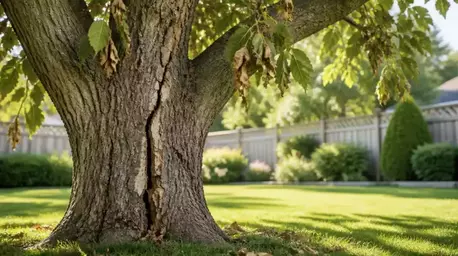
Signs Your Trees Are Stressed
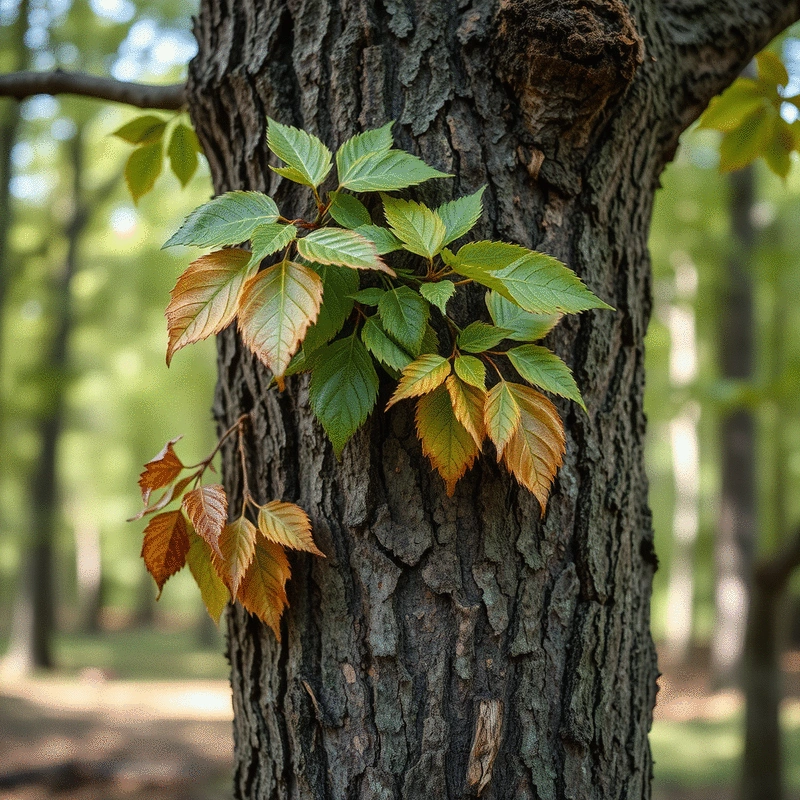
Did you know that early intervention can drastically improve tree health? Recognizing signs of tree stress not only preserves the beauty of your landscape but also contributes to the ecosystem's well-being. Let's dive into the essential lessons you can learn from understanding tree health!
What You Will Learn
- Identifying early signs of tree stress is crucial for preventing decline and ensuring trees remain healthy.
- Common symptoms include wilting leaves, discoloration, and branch dieback, indicating potential issues.
- Acting quickly can lead to enhanced recovery, cost savings, and increased longevity of your trees.
- Regular monitoring and proactive care strategies, like checking soil moisture and applying mulch, are essential for maintaining tree health.
- Knowing when to consult a professional arborist can save your trees from further decline and ensure they receive proper care.
Key Symptoms of Tree Stress and Their Importance
Recognizing the symptoms of tree stress is crucial for maintaining tree health and preventing decline. Below is a summary of key symptoms and their significance.
Wilting Leaves
Indicates moisture issues, often resulting from inadequate watering or heat exposure.
Leaf Color Changes
May signal potential disease or nutrient deficiency; important to monitor for early detection.
Branch Dieback
Reflects stress at the root level; can be a sign of more serious issues if not addressed.
Pest Infestations
Can exacerbate stress; require immediate attention to prevent decline.
Understanding Tree Health: The Urgency of Identifying Early Signs of Tree Stress
As someone who deeply cares about the environment, I know how vital it is to recognize the early signs of tree stress. Ignoring these symptoms can lead to serious consequences for our beloved trees. Trees are not only beautiful but also essential for our ecosystem, and they deserve our attention and care! For more insights into nurturing trees for healthier growth, visit our guide on nurturing trees for healthier growth.
Identifying tree stress early can make all the difference in maintaining their health and vitality. Just like us, trees can face challenges from environmental factors, pests, or diseases. By understanding the symptoms, we can take proactive measures to help them thrive.
The Importance of Recognizing Tree Stress Symptoms
Have you ever noticed a tree in your yard that seemed a little off? Recognizing the signs of tree stress is crucial for any homeowner or tree enthusiast. These symptoms are not just indicators of an unhappy tree; they can signal underlying issues that need immediate attention.
Here are some reasons why it’s essential to pay attention to tree stress symptoms:
- Preventing Tree Decline: Early recognition can halt the progression of decline, ensuring trees remain healthy.
- Improving Aesthetic Appeal: Healthy trees enhance the beauty of your landscape.
- Protecting Property Value: Well-maintained trees can boost the value of your home.
How Ignoring Signs Can Lead to Serious Tree Decline
When we overlook the early signs of tree stress, we risk allowing them to worsen over time. For instance, a small issue like pests can develop into a significant infestation if not addressed promptly. Ignoring these signs can lead to tree death, which is not only sad but can also affect surrounding trees and the overall ecosystem. To learn more about effective pest management, consider exploring eco-friendly tree pest solutions.
Think of it this way: just as we wouldn’t ignore a headache that persists, we shouldn’t ignore something off about our trees. Each missed symptom can lead to a chain reaction of health issues, making it vital to intervene early!
Benefits of Early Intervention for Tree Health
Taking action at the first signs of tree stress can have tremendous benefits. Here are some advantages to consider:
- Enhanced Recovery: Trees can bounce back more robustly when treated early.
- Cost-Effective Solutions: Addressing problems early can save homeowners money in the long run.
- Increased Longevity: Healthy trees contribute to the environment for years to come!
At Timber & Thrive, we believe that early intervention is key to fostering a sustainable future. By keeping a close eye on our trees and recognizing the signs of stress, we can empower ourselves and others to take action!
Common Visual Symptoms of Tree Stress to Watch For
Understanding the visual symptoms of tree stress is the first step toward effective tree care. Numerous indicators can reveal a tree's distress, and being observant can help us take action before it’s too late.
Familiarizing ourselves with these signs is a rewarding experience, especially as we connect with the trees around us!
Wilting and Drooping Leaves: Indicators of Stress
One of the most obvious signs of tree stress is wilting or drooping leaves. When you notice a tree's leaves drooping, it often indicates that the tree is struggling. This can be a response to inadequate water, heat, or disease.
Here are key characteristics of wilting leaves to observe:
- Leaves are limp and lack firmness
- Leaves may curl or turn brown at the edges
- In some cases, entire branches may show signs of wilting
What to Look For: Key Characteristics of Wilting
When inspecting for wilting leaves, pay attention to:
- Time of Year: Trees naturally lose water during hot summer months, but excessive wilting can indicate deeper issues.
- Soil Moisture: Check the soil moisture around the base; dry soil can lead to wilting.
- Overall Tree Health: Consider other symptoms in addition to wilting, as they can provide clues to underlying issues.
By staying vigilant and watching for these signs, we can help our trees stay vibrant and healthy!
Quick Summary
Here's a brief recap of the key points discussed so far:
- Identifying early signs of tree stress is crucial for maintaining tree health.
- Ignoring symptoms can lead to severe consequences, including tree death.
- Proactive intervention can enhance recovery and increase the longevity of your trees.
What to Do Next: Action Steps for Addressing Tree Stress
When it comes to tree care, knowing what to do after spotting signs of stress is crucial for ensuring the health of your beloved trees. At Timber & Thrive, we believe that taking prompt action can make all the difference! Here are some immediate steps you can take to help your trees recover and thrive.
First, start by conducting a simple DIY diagnostic. Pay attention to the symptoms you've observed and document them. This will help you understand the severity of the situation and guide your next steps. Remember, early detection is key!
Immediate Actions for Homeowners: DIY Diagnostics
As you assess your tree's health, here are some immediate actions to consider:
- Examine the leaves for discoloration or wilting.
- Check the trunk and branches for signs of damage.
- Inspect the soil moisture levels around the roots.
If you feel uncertain about what to do next, it might be the perfect time to call in a professional arborist. They can provide a thorough evaluation and offer tailored advice specific to your tree's needs. Just think of how reassuring it is to have an expert on your side!
When to Call in a Professional Arborist
Knowing when to seek professional help can save your trees from further decline. Here are some situations where an arborist’s expertise is invaluable:
- If your tree is leaning dangerously or has visible structural damage.
- When stress symptoms persist despite your care efforts.
- If you suspect a severe pest infestation or disease.
Having a skilled arborist can provide peace of mind, ensuring that your trees get the specialized attention they need to flourish. For further reading on seasonal care, check out our tips on seasonal tree care for gardens.
Prevention Strategies: Maintaining Tree Health
Preventing tree stress is an ongoing endeavor that requires attention and care. At Timber & Thrive, we advocate for a proactive approach to tree maintenance. Here are some strategies to incorporate into your care routine:
- Regularly check the soil moisture to avoid over or under-watering.
- Apply mulch around the base to conserve moisture and improve soil quality.
- Monitor for pests and diseases regularly to catch issues early.
Implementing these practices can help your trees become more resilient against stressors, allowing them to thrive year after year!
Seasonal Care Tips: Watering and Soil Testing Techniques
Understanding how to care for your trees seasonally is vital for their overall health. Here are a few tips:
- In spring, ensure proper watering to support new growth.
- During summer, check for signs of drought stress and adjust watering accordingly.
- In fall, consider soil testing to prepare for winter and optimize nutrients.
With these seasonal strategies, you can boost your trees' vitality and resilience!
Pest Management Techniques for Tree Health
Tree stress can often be exacerbated by pests that invade the bark or leaves. Here are some effective pest management techniques:
- Implement natural deterrents like neem oil to minimize infestations.
- Encourage beneficial insects that prey on harmful pests.
- Regularly inspect your trees for early signs of pest activity.
By staying vigilant, you can help protect your trees from the threats posed by pests and diseases! Together, we can create a healthy ecosystem that supports our trees.
Frequently Asked Questions About Tree Stress
As we dive deeper into tree care, questions often arise. Let’s address some common queries that can enhance your understanding of tree stress symptoms.
FAQs on Tree Stress
- What are the most common early signs of tree stress?
- The most common early signs include wilting leaves, changes in leaf color (yellowing or browning), branch dieback, and visible pest infestations. These symptoms indicate that a tree may be struggling due due to environmental factors, nutrient deficiencies, or external threats.
- How can I tell if my tree is wilting from lack of water or a more serious issue?
- While wilting often indicates a lack of water, especially during hot, dry periods, persistent wilting despite adequate watering can signal a more serious problem. Check the soil moisture thoroughly. If the soil is moist and wilting continues, it could be a sign of root damage, disease, or a pest issue, requiring a professional assessment.
- When should I call a professional arborist instead of trying DIY solutions?
- You should call a professional arborist if you notice severe structural damage, if stress symptoms persist or worsen despite your care efforts, or if you suspect a serious disease or pest infestation that you cannot identify or treat effectively. Arborists have the expertise and tools to diagnose and treat complex tree health issues.
- What are some effective prevention strategies for maintaining tree health?
- Effective prevention strategies include regular monitoring of soil moisture, applying mulch around the base of trees to retain moisture and improve soil health, and ongoing inspection for pests and diseases. Providing proper seasonal care, such as appropriate watering and occasional soil testing, also significantly contributes to long-term tree health.
- Can early intervention truly save a stressed tree?
- Yes, early intervention can drastically improve a stressed tree's chances of recovery. Addressing issues like nutrient deficiencies, pest infestations, or improper watering soon after symptoms appear can prevent further decline, enhance the tree's recovery capabilities, and extend its lifespan, often at a lower cost than treating advanced problems.
Common Queries Regarding Early Signs of Tree Stress
Many people ask how they can better identify early signs of tree stress. It’s essential to educate yourself about the specific symptoms your tree species may exhibit. Here are some tips:
- Research the native species in your area for better recognition.
- Look for signs of stress that are unique to your tree's characteristics.
- Engage with local tree care communities for shared knowledge.
By understanding species-specific signs, you can respond more effectively to any issues that arise. You can also explore choosing trees for your climate to ensure you're planting species that are naturally more resilient.
Understanding the Role of Species-Specific Signs
Each tree species can show distinct signs of stress. Familiarizing yourself with these can help you act quickly and appropriately. Remember, knowledge is power when it comes to caring for your trees!
Visual Aids: Enhancing Recognition of Tree Stress Symptoms
Visual aids, such as images and diagrams, can significantly enhance your ability to recognize tree stress symptoms. Here are some ways to incorporate them:
- Utilize online resources to find images of healthy vs. stressed trees.
- Participate in local workshops that provide visual demonstrations.
- Create a visual guide for your own trees at home!
These tools can make it easier to spot issues before they escalate, ensuring your trees get the help they need!
Incorporating Images and Diagrams for Better Understanding
Using visual aids not only aids recognition but also enriches your learning experience. At Timber & Thrive, we emphasize the importance of continuous education through engaging resources.
Tree Biology: Understanding the Science Behind Stress Symptoms
To truly grasp tree health, one must understand the biology that underpins stress symptoms. Here are some essential points:
- Photosynthesis is critical for growth, and stress can hinder this process.
- Understanding how trees respond to environmental changes can inform your care practices.
- Recognizing growth patterns can help you identify when something is amiss.
By delving into the science behind tree health, you become a more informed caretaker, ready to tackle any challenges! For more detailed information, consider our article on how tree root systems are explained.
Summary of Key Signs and Takeaways for Tree Care
As we wrap up, it’s essential to recap the visual symptoms we’ve discussed and their importance. Staying attuned to your trees can lead to timely interventions that make a lasting impact.
Recap of Visual Symptoms and Their Importance
Here’s a quick summary of key symptoms to keep an eye on:
- Wilting leaves indicating moisture issues.
- Leaf color changes signaling potential disease or nutrient deficiency.
- Branch dieback that may reflect stress at the root level.
Being aware of these signs allows you to act promptly, contributing to the overall health of your trees.
Final Thoughts on Timely Intervention and Prevention
Timely intervention is crucial in tree care. By taking immediate action when you notice stress symptoms, you can prevent further decline and support your trees in thriving!
Engagement: Share Your Experiences and Questions
Finally, I invite you to share your own experiences and questions with tree care. At Timber & Thrive, we value community engagement and love hearing your stories. Let’s learn and grow together—share your observations and let’s inspire each other for a greener future!
Inviting Readers to Contribute Their Observations
Every tree has a story, and together we can cultivate a community that values and cherishes these living wonders. What have you noticed in your own tree care journey? Your insights could help someone else on their path!
Recap of Key Points
Here is a quick recap of the important points discussed in the article:
- Recognize Symptoms Early: Identifying early signs of tree stress is crucial to prevent decline and maintain tree health.
- Common Signs to Watch For: Look for wilting leaves, discoloration, and branch dieback as indicators of stress.
- Take Immediate Action: Conduct a DIY diagnostic to assess tree health and address issues promptly.
- Know When to Seek Help: Call a professional arborist if symptoms persist or severe issues arise.
- Implement Prevention Strategies: Regular soil checks, mulching, and monitoring for pests can help maintain tree health.

Celia Greenwood
Celia Greenwood is a dedicated environmentalist and tree care expert with a passion for promoting sustainable practices. With years of experience in eco-friendly planting and tree preservation, Celia aims to educate and inspire others to embrace environmentally conscious choices. Her mission is to foster a community that values trees as vital components of our ecosystem, ensuring a greener future for generations to come.