Climate Zones
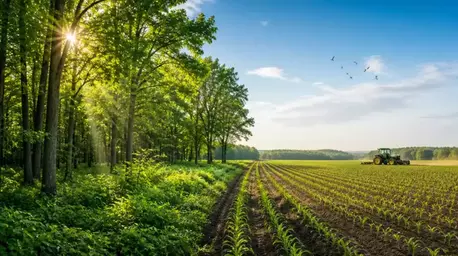
Know the hardiness zones relevant to your area to select the best tree species for your climate.
As climate change increasingly impacts our environment, the selection of the right tree species for our landscapes has never been more critical. Understanding climate resilience in tree selection not only ensures the survival of these trees but also contributes to a healthier ecosystem for future generations. Here’s what you will learn about choosing climate-ready trees for your landscape.
Understanding climate resilience and site conditions is essential for tree selection. Below are some critical factors to consider:
Know the hardiness zones relevant to your area to select the best tree species for your climate.
Assess soil type and its capacity to support tree growth for optimal planting success.
Understand how much water your trees will need based on local conditions.
Identify if the site is predominantly sunny or shady to select suitable tree species.
Choosing the right trees for your landscape isn't just about aesthetics; it's about ensuring these trees can thrive in the face of climate challenges. Climate resilience refers to the ability of trees to withstand changing weather patterns, pests, and diseases. By selecting climate-ready trees, we can help our landscapes not only survive but also contribute positively to the environment. For more insights on caring for your trees, explore our guide on sustainable tree care practices.
Have you ever noticed how some trees seem to flourish while others struggle? That's because certain species are better equipped to handle fluctuations in temperature, rainfall, and other climate stressors. When we prioritize trees that are resilient, we are investing in a healthier ecosystem—not just for today, but for future generations!
Climate-ready trees play a crucial role in maintaining a balanced ecosystem. They contribute to carbon sequestration, improve air quality, and provide habitats for local wildlife. When trees are well-suited to their environment, they require less maintenance, making them a practical choice for homeowners and communities alike.
Moreover, trees that can withstand extreme weather events—like droughts or heavy rainfall—help to mitigate the impacts of climate change in urban areas. Consider the following benefits of selecting climate-ready trees:
As we witness the effects of climate change, it becomes increasingly apparent that tree species selection must adapt. Rising temperatures and shifting precipitation patterns can significantly affect tree survival and growth. For instance, species that once thrived in a specific area may struggle to grow in the same region due to these changes. To learn more about environmental impacts, read our article on deforestation's effects on local ecosystems.
By understanding this role, we can make informed decisions about which trees to plant. It’s essential to consider species that are not just popular but also resilient to future climate scenarios. Here are some considerations:
Understanding climate zones is a vital step in making the right tree selections. The USDA Hardiness Zones offer valuable information about the average temperatures in different regions, guiding us in choosing tree species that will thrive in our specific climate. This knowledge helps us avoid planting trees that won't survive local conditions.
For example, if you live in a warmer zone, you might consider species like the Live Oak or Pecan, both of which adapt well to heat. Conversely, cooler zones might be better suited for trees like Red Maple or Sugar Maple. Here’s how to utilize climate zones effectively:
Here's a brief recap of the key points discussed so far:
When it comes to choosing the right tree species, understanding both climate and site conditions is essential. These factors significantly influence the health and longevity of your trees. By taking the time to evaluate climate resilience and local site characteristics, you can make informed decisions that support a thriving landscape.
Some key considerations for selecting tree species include:
Utilizing these considerations not only enhances your planting choices but also fosters a healthier ecosystem. At Timber & Thrive, I believe that every tree planted is a step toward a greener future, and it starts with making the right selection!
In summary, assessing both climate and site conditions is crucial for successful tree planting. A thorough understanding of climate resilience ensures you choose trees that will thrive amidst changing weather patterns. Likewise, evaluating site characteristics helps you identify the best conditions for each species.
Here are some important factors to consider:
As an environmentalist and tree care expert, I always encourage others to think about how their choices impact our ecosystems. By focusing on these elements, we can create landscapes that are not only beautiful but also sustainable! For tips on maintaining healthy trees, check out our article on nurturing trees for healthier growth.
Diverse and resilient urban forests play a vital role in combating climate change. They provide essential benefits such as improved air quality, increased biodiversity, and enhanced community well-being. By selecting the right trees for urban environments, we can strengthen these green spaces and promote ecological health.
Here's how urban forestry can contribute to sustainability:
At Timber & Thrive, we are committed to supporting urban forestry projects that make a difference. Together, we can nurture our cities and enhance their green infrastructure for future generations!
Getting involved in local tree planting initiatives is a fantastic way to contribute to your community and the environment. There are many organizations dedicated to promoting tree care and conservation that would love your support!
Here are some ways to connect:
By engaging with these groups, you can learn more about sustainable practices and meet like-minded individuals who share your passion for trees. It’s all about building a community that cares for our planet—one tree at a time!
To deepen your understanding of tree selection and care, numerous resources can be incredibly helpful. These tools and databases provide valuable insights that can guide your journey in sustainable tree planting. For instance, learning about choosing native trees for planting can significantly enhance local ecosystem health.
Consider exploring:
As I continue to spread awareness about tree care through Timber & Thrive, I invite you to explore these resources and take actionable steps in your community. Together, we can create a sustainable future filled with healthy trees and vibrant green spaces!
Here are some common questions about choosing climate-ready trees for your landscape:
Here is a quick recap of the important points discussed in the article:
Celia Greenwood is a dedicated environmentalist and tree care expert with a passion for promoting sustainable practices. With years of experience in eco-friendly planting and tree preservation, Celia aims to educate and inspire others to embrace environmentally conscious choices. Her mission is to foster a community that values trees as vital components of our ecosystem, ensuring a greener future for generations to come.