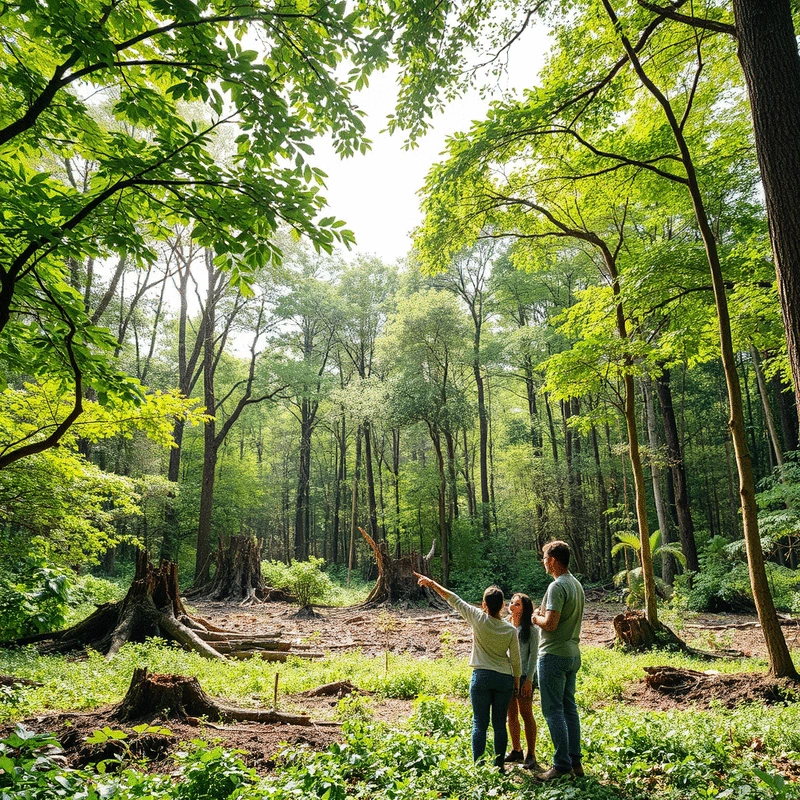
Forests Cover 31% of the Earth's Land Area
Forests are a crucial part of our planet's ecosystem, supporting biodiversity and climate regulation.
What if I told you that every year, we lose an area of forest equivalent to the size of Iceland? This staggering statistic brings to light the urgent issue of deforestation that threatens not just wildlife, but the very climate we depend on. Understanding the implications of this crisis is the first step toward meaningful action.
The following statistics highlight the urgency of addressing deforestation and its effects on our planet. For more insights, consider exploring our resources on nurturing trees for healthier growth.
Forests are a crucial part of our planet's ecosystem, supporting biodiversity and climate regulation.
This loss is equivalent to the size of Iceland, indicating a rapid decline in forested areas.
These individuals rely on forests for their livelihoods, making forest conservation imperative for their survival.
Have you ever walked through a forest and felt a sense of peace? Those towering trees, vibrant leaves, and the wildlife that thrives among them are essential parts of our world. However, this beauty is under threat due to deforestation, and it’s crucial that we raise awareness about this pressing issue. By understanding what deforestation is and its global impact, we can better equip ourselves to make a difference.
Deforestation refers to the large-scale removal of forests, often resulting in damage to the quality of the land. It’s not just a local problem but a global crisis affecting our climate, biodiversity, and even our health! The loss of trees leads to increased carbon emissions, contributing to climate change and impacting weather patterns worldwide.
Moreover, forests are home to over 80% of terrestrial species. When we clear these vital habitats, we not only threaten wildlife but also disrupt ecosystems that maintain the balance of life on Earth. Recognizing the global impact of deforestation is crucial for motivating change. You can read more about deforestation's effects on local ecosystems.
Deforestation occurs for various reasons, including agricultural expansion, logging, and urbanization. Many farmers clear land to grow crops, while logging companies cut down trees for timber and paper products. Urban areas expand as populations grow, requiring more space for housing and infrastructure.
The environmental consequences of deforestation are severe. It leads to soil erosion, loss of biodiversity, and increased greenhouse gas emissions, all of which threaten our planet’s health!
When forests are destroyed, so too are the habitats of countless species. This loss of biodiversity can lead to extinction and disrupt the intricate web of life that supports everything from pollinators to predators. Have you ever thought about how every living creature plays a role in maintaining the balance of our ecosystem?
As we lose trees, we also lose our best defense against climate change. Trees absorb carbon dioxide, a major greenhouse gas, and help regulate the climate. By understanding these effects, we can work to protect our forests and the creatures that depend on them.
The statistics surrounding deforestation can be staggering. Each year, we lose around 10 million hectares of forest, which is equivalent to the size of Iceland! This rapid deforestation not only affects wildlife but also impacts local communities who rely on forests for their livelihoods. For more detailed insights, you can explore deforestation trends and statistics for 2023.
These figures highlight the urgent need for action. At Timber & Thrive, we believe in the power of education and awareness to create positive change. Together, we can inspire a movement to protect our forests and ensure a healthier planet for future generations!
Here's a brief recap of the key points discussed so far:
As we explore the critical issue of deforestation, it’s essential to recognize the power we hold as individuals and communities. By taking personal and communal responsibility, we can make a significant impact on our environment. It's not just about understanding the problem; it’s about taking practical steps to address it. Together, we can inspire change and raise awareness in meaningful ways.
So, what can we do? Here are some key actions that can help elevate awareness about deforestation:
When we take personal responsibility, it sets an example for others. Have you ever thought about how your choices impact the world around you? By adopting sustainable practices in our lives, we can create a ripple effect that encourages others to follow suit. At Timber & Thrive, I believe in the power of community and collective action. Let’s work together!
Here are some ways to encourage others to join the cause:
Inspiration can come from simple actions! Have you ever noticed how one person’s enthusiasm can spark interest in others? By sharing our stories of success in tree care or sustainable living, we can motivate others to take part in the movement. Imagine a neighborhood where everyone is planting trees and caring for the environment together! It could be our reality.
Additionally, creating engaging content can help spread the message. Consider:
Community resilience is rooted in our ability to work together. We can build stronger neighborhoods that prioritize environmental health by collaborating on initiatives. This might mean organizing local tree planting days or forming partnerships with local environmental organizations. At Timber & Thrive, I’ve seen firsthand how collective efforts can lead to lasting change. Together, we can nurture a culture of conservation!
Here are some ideas for building resilience:
Now that we've discussed the importance of awareness and community action, I want to extend an invitation to you! There are numerous ways to participate in forest conservation efforts, both locally and globally. Every action counts, and your involvement can make a difference. Let’s make this planet greener together!
Finding ways to contribute to forest conservation can be as simple as connecting with existing initiatives in your community. Many organizations are actively working to combat deforestation, and they often welcome passionate individuals ready to lend a hand. It’s a great way to meet like-minded people who care about the environment.
Here’s how you can get connected:
Education plays a vital role in awareness. At Timber & Thrive, I emphasize the importance of providing reliable resources for those interested in learning more about deforestation and sustainable practices. Offering clear, digestible information can empower individuals to take action! For additional resources, consider exploring ways to implement local actions against deforestation.
Consider sharing resources like:
Finally, one of the best ways to engage with these efforts is by volunteering your time. Many environmental organizations constantly seek volunteers for various projects focused on tree planting, education, and community outreach. This hands-on approach can be incredibly fulfilling and helps make a direct impact. Discover more about starting a community tree project in your area.
Check out local opportunities by:
Let’s take these steps together—every little action accumulates into a movement for a healthier planet! Join the conversation, and let’s thrive together, one tree at a time!
Here is a quick recap of the important points discussed in the article:
Celia Greenwood is a dedicated environmentalist and tree care expert with a passion for promoting sustainable practices. With years of experience in eco-friendly planting and tree preservation, Celia aims to educate and inspire others to embrace environmentally conscious choices. Her mission is to foster a community that values trees as vital components of our ecosystem, ensuring a greener future for generations to come.