Evapotranspiration
This process involves the release of moisture into the atmosphere, which is essential for cloud formation.
Forests are not just beautiful landscapes; they are essential to maintaining our planet's climate and rainfall patterns. By understanding their role, we can appreciate their importance and strive to protect them for future generations.
Forests are crucial in maintaining rainfall patterns through processes like evapotranspiration and cloud formation. Understanding these dynamics helps us appreciate the intricate relationship between forests and our environment. For more information on maintaining healthy trees, consider exploring resources on nurturing trees for healthier growth.
This process involves the release of moisture into the atmosphere, which is essential for cloud formation.
Forests release moisture, which cools and condenses, leading to cloud creation and subsequent rainfall.
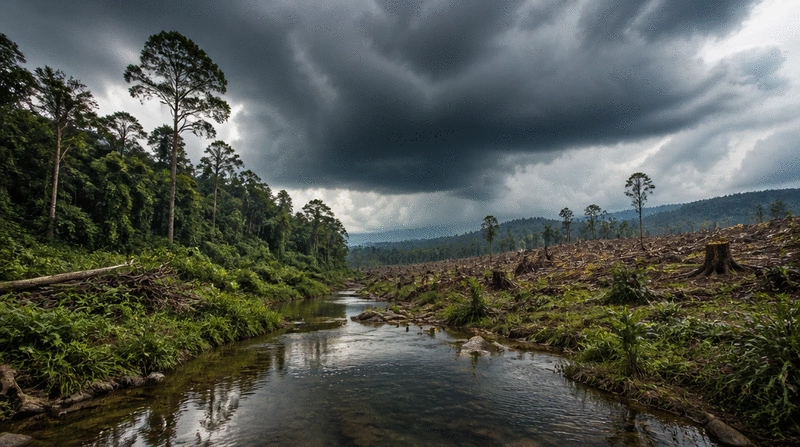
Removing forests disrupts evapotranspiration, leading to decreased cloud formation and altered rainfall patterns.
Nurturing forests supports stable rainfall, promoting biodiversity and the health of local ecosystems.
Forests play a crucial role in our environment, especially when it comes to rainfall formation. They’re not just beautiful landscapes; they’re vital for creating the conditions that produce rain. By understanding how forests contribute to this process, we can appreciate their importance even more and recognize the need to protect them!
One fascinating aspect of forests is their ability to influence local climates through various natural processes. When we talk about evapotranspiration, we’re highlighting how trees release moisture into the atmosphere, contributing to cloud formation. This moisture recycling is a key element in ensuring that rainfall patterns remain consistent and healthy.
Evapotranspiration is a fundamental process in the water cycle, involving both evaporation from the ground and transpiration from plants. Trees, especially, are masters of this art! They absorb water through their roots and release it through their leaves, essentially breathing out moisture into the air.
This process not only helps to cool the environment but also leads to the formation of clouds, which eventually bring rain. By maintaining healthy forests, we promote moisture recycling that keeps our ecosystems thriving. So, what can we do to support this critical process? One way is by choosing native trees for planting that are well-suited to your local climate.
The canopy of a tree is like a shield that protects the ecosystem below. It absorbs sunlight, which helps to regulate local temperatures and creates a habitat for countless species. Moreover, the dense foliage of tree canopies traps moisture, creating a humid environment that fuels further rainfall.
In essence, the higher the trees, the more they can influence climate conditions. Areas with abundant tree cover experience more stable and frequent rainfall, supporting both wildlife and plant life alike. At Timber & Thrive, we understand the significance of nurturing these tree canopies to ensure vibrant ecosystems.
Have you ever gazed at the clouds and wondered how they formed? The science is quite fascinating! Clouds are created when water vapor rises, cools, and condenses into tiny droplets. Forests contribute significantly to this process by releasing moisture into the air through transpiration.
As we plant and care for trees, we are actively participating in a natural cycle that encourages cloud formation and, ultimately, rain. Let’s remember the impact our collective actions can have—every tree planted is a step towards healthier weather patterns!
The water cycle is not just a series of steps; it’s a continuous loop that supports life on Earth. Forests are integral to this cycle, acting as natural water filters and storage systems. By preserving forests, we can ensure that this cycle remains intact and functional.
Trees play a pivotal role in maintaining atmospheric moisture levels through transpiration, which is critical for sustaining the health of forest ecosystems. Without trees, many regions would face drastic changes in their water availability and quality. So, how can we embrace this responsibility? Supporting initiatives that promote sustainable tree care practices is one effective way.
As we reflect on our actions, it’s clear: by nurturing our forests, we are investing in the future of our planet. Join me in making informed choices that prioritize tree care and environmental health. Together, we can create a substantial impact, ensuring that our forests continue to play their vital role in rainfall formation and beyond!
Did you know? Engaging in local tree care initiatives not only helps in maintaining forest health but also enhances community involvement. Consider organizing workshops in your neighborhood to educate others about the benefits of trees and how to care for them. Together, we can cultivate a deeper appreciation for our forests and their role in rainfall formation!
Forests play a critical role in shaping our climate by regulating rainfall patterns. They are not just beautiful landscapes but vital ecosystems that support life. At Timber & Thrive, we believe that understanding this connection is essential for fostering community awareness about the importance of preserving our forests and ensuring a sustainable future.
When we think about rainfall, we must consider how forests contribute to this natural cycle. Healthy forests enhance evapotranspiration, which is the process of water being transferred from the land to the atmosphere. In turn, this process promotes cloud formation and precipitation, demonstrating the intricate link between trees and rainfall patterns.
It is crucial to recognize the impact of deforestation on rainfall. When forests are removed, the balance of the ecosystem is disrupted, leading to significant changes in weather patterns. Here are some key takeaways:
The health of our forests directly correlates with the stability of our climate. It’s essential to understand that trees not only provide oxygen but also help regulate the atmosphere’s moisture levels. At Timber & Thrive, we advocate for sustainable practices that not only preserve tree health but also promote a balanced ecosystem.
As stewards of the environment, we can work together to protect our forests. This protection ensures that we continue to enjoy the benefits they provide, including stable rainfall patterns and a healthy atmosphere. For instance, understanding deforestation's effects on local ecosystems can further highlight the urgency of these efforts.
Forests deliver a myriad of ecosystem services that are interconnected. This includes:
Recognizing these interconnected services helps us understand the importance of forests in our lives. It’s about finding balance and ensuring that future generations inherit a planet rich in resources and beauty.
At Timber & Thrive, we love answering questions and engaging with our community about forests and their significance in our lives. Understanding the science behind these ecosystems can empower us all to take action. Here are some common questions we encounter:
Forests significantly contribute to rainfall through evapotranspiration, a process where trees release moisture into the atmosphere. This moisture then cools and condenses to form clouds, leading to precipitation.
Evapotranspiration is the sum of evaporation from the land surface and transpiration from plants. It's crucial because it releases moisture into the atmosphere, a key component for cloud formation and maintaining healthy rainfall patterns.
Deforestation disrupts the process of evapotranspiration, leading to reduced moisture release into the atmosphere. This results in decreased cloud formation and can cause significant changes in local and regional rainfall patterns, often leading to drier climates and erratic precipitation.
Yes, reforestation efforts can help restore natural rainfall patterns. By increasing tree cover, we enhance evapotranspiration and moisture recycling, which in turn promotes cloud formation and more stable precipitation.
Beyond rainfall regulation, forests provide numerous ecosystem services including air quality improvement, soil erosion control, water purification, regulation of surface and groundwater, and providing habitats for diverse wildlife, supporting overall biodiversity.
Generally, yes! When forests are cut down, the vital processes that contribute to rainfall are disrupted. This can lead to drier climates and a decrease in precipitation, which ultimately affects all life in the area.
Absolutely! Reforestation efforts can help restore the natural moisture balance and promote healthy rainfall patterns. By planting trees, we contribute to the ecosystem and help combat climate change.
The need for increased awareness about forest conservation is more important than ever! Here are a few ways we can all contribute:
Remember, every small action counts! Together, we can create a ripple effect that leads to a more sustainable future for our forests and our planet. Let's join hands and cultivate a greener tomorrow! For more inspiration, explore ways to plant trees and save our forests.
Here is a quick recap of the important points discussed in the article:
Celia Greenwood is a dedicated environmentalist and tree care expert with a passion for promoting sustainable practices. With years of experience in eco-friendly planting and tree preservation, Celia aims to educate and inspire others to embrace environmentally conscious choices. Her mission is to foster a community that values trees as vital components of our ecosystem, ensuring a greener future for generations to come.