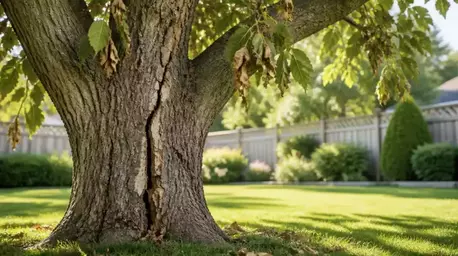
Tree Watering Mistakes to Avoid
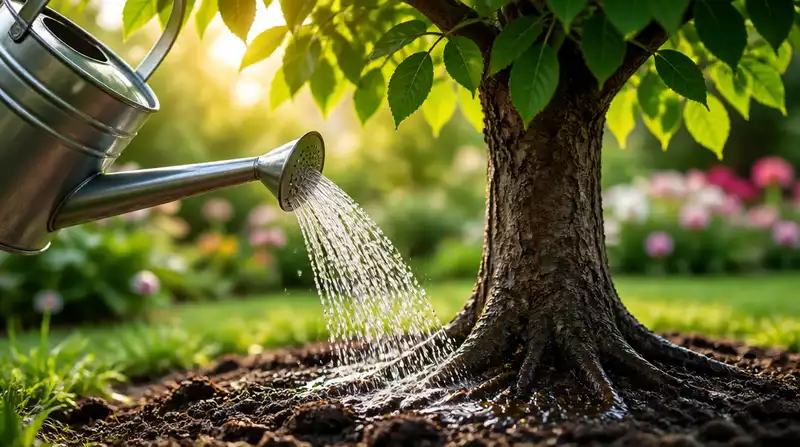
Watering is not merely a task; it’s an essential practice that directly influences the health and longevity of trees. Understanding how to properly care for these living organisms can transform your garden and the environment around you. Ready to become a tree care expert? Let’s dive into the key lessons!
What You Will Learn
- Proper watering is crucial for tree health, influencing growth and disease resistance.
- Newly planted trees require more frequent watering, while established trees benefit from deep watering less often.
- Recognizing symptoms of overwatering (yellow leaves, root rot) and underwatering (wilting leaves, dry soil) is essential for healthy trees.
- Best practices include watering deeply, adjusting frequency based on tree age and climate, and using mulch for moisture retention.
Watering Practices for Newly Planted vs Established Trees
Understanding the watering needs of trees helps promote healthy growth and sustainability. Below is a comparison of the watering frequency and depth for newly planted and established trees. For more detailed information on nurturing young trees, read our guide on nurturing trees for healthier growth.
Newly Planted Trees
- Water daily or every other day for the first couple of weeks.
- Roots are shallow and require consistent moisture to establish.
- This frequent watering supports strong root growth.
Established Trees
- Water deeply once a week during dry spells.
- Roots are deeper and can reach moisture further down.
- Less frequent watering encourages stronger root systems.
Common Watering Mistakes
- Shallow Watering: Not reaching deep into the root zone can stunt growth.
- Overwatering: Too much water leads to root rot, damaging your trees.
- Underwatering: Not providing enough water can cause drought stress.
Solutions to Common Mistakes
- Water Deeply: Aim for a thorough soak at the root zone.
- Adjust Frequency: Tailor your watering schedule according to the tree’s age.
- Use Mulch: Incorporating mulch can enhance moisture retention.
Understanding the Importance of Proper Tree Watering
When it comes to tree care, one of the most critical factors is proper watering. Just like us, trees need water to thrive! They rely on it for nutrient absorption and overall health, making it essential for anyone who loves trees—like me at Timber & Thrive—to understand how to water them correctly.
Watering is not just about keeping the soil moist; it's about providing the right amount of water at the right time. Are you aware of how much water your trees actually need? Having the right watering practices can mean the difference between a flourishing tree and a struggling one.
The Role of Watering in Tree Health
Water plays a significant role in the health of trees, influencing everything from growth to disease resistance. Trees that receive adequate moisture are generally more resilient to stress. It's fascinating to think about how trees can thrive in their environments when they get the right watering. But, what's the best way to ensure they get it? For more on maintaining healthy trees, explore our article on sustainable tree care practices.
Whether you’re nurturing a young sapling or caring for an established tree, understanding their water needs is vital. Newly planted trees, for instance, require *more frequent watering* to help establish their roots, while established trees generally benefit from deep watering less often. This distinction is crucial for anyone committed to sustainable tree care.
Why Watering Matters for Newly Planted versus Established Trees
Newly planted trees have shallow roots that need consistent moisture to grow strong. Here’s a quick comparison:
- Newly Planted Trees: Water daily or every other day for the first couple of weeks.
- Established Trees: Water deeply once a week during dry spells.
By tailoring your watering approach based on the tree's age, you’re setting it up for long-term success! So, next time you see a freshly planted tree, remember: it needs a little extra love in the form of water.
Common Tree Watering Mistakes and Their Consequences
Even the most dedicated tree lovers can make watering mistakes. It’s easy to over- or under-water without realizing it! Understanding these common errors can help you keep your trees healthy and happy.
When we rush the watering process or misjudge how much our trees need, we can unintentionally cause them harm. Let’s dive into the symptoms that might indicate our watering practices could use a little adjustment. For tips on enhancing your garden's health, check out our guide on creating a low-maintenance tree area.
Identifying Symptoms of Overwatering and Underwatering
Recognizing the signs of both overwatering and underwatering is essential. Here are some symptoms to watch out for:
- Overwatering: Yellow leaves, root rot, or a noticeably soggy soil.
- Underwatering: Wilting leaves, dry soil, or leaf drop.
By staying vigilant and observing your trees, you can adjust your watering practices accordingly. Remember, at Timber & Thrive, we believe that knowledge is power—especially when it comes to caring for our beloved trees!
Pro Tip
Did you know? Watering early in the morning is the best time to hydrate your trees. This allows the moisture to soak into the soil before the heat of the day causes evaporation. Consistent watering during this optimal time can lead to healthier trees and improved growth!
Frequently Asked Questions About Tree Watering
- Q: How often should I water newly planted trees?
- A: Newly planted trees should be watered daily or every other day for the first couple of weeks to help establish their shallow root systems.
- Q: What’s the difference in watering for established trees?
- A: Established trees, with their deeper root systems, generally need deep watering once a week during dry spells rather than frequent, shallow watering.
- Q: How can I tell if I'm overwatering my tree?
- A: Signs of overwatering include yellow leaves, root rot, and noticeably soggy soil around the base of the tree.
- Q: What are the symptoms of an underwatered tree?
- A: An underwatered tree may show signs such as wilting leaves, dry soil, and premature leaf drop.
- Q: What are some best practices for healthy tree watering?
- A: Best practices include watering deeply to reach the root zone, adjusting frequency based on the tree's age and climate, and using mulch to help retain soil moisture.
Recap of Common Tree Watering Mistakes and Solutions
As we journey through tree care together, it's vital to remember the common mistakes that can hinder our efforts. At Timber & Thrive, I often see passionate tree lovers like you who unknowingly make these errors. Here’s a brief recap of the key mistakes we discussed, so you can ensure your trees thrive!
- Shallow Watering: Not reaching deep into the root zone can stunt growth.
- Overwatering: Too much water leads to root rot, damaging your trees.
- Underwatering: Not providing enough water can cause drought stress.
By avoiding these pitfalls, you'll create a healthier environment for your trees. Remember, each watering technique plays a unique role in nurturing the delicate balance your trees need to flourish!
Best Practices for Healthy Tree Watering
Now that we understand the mistakes to avoid, let’s explore some best practices for healthy tree watering. Following these guidelines can empower you to make informed decisions that align with our mission at Timber & Thrive—to promote sustainable tree care.
- Water Deeply: Aim for a thorough soak at the root zone rather than a quick sprinkle.
- Adjust Frequency: Tailor your watering schedule according to the tree’s age and local climate conditions.
- Use Mulch: Incorporating organic mulch can significantly enhance moisture retention.
These simple yet effective practices not only contribute to tree health but also support our shared goal of environmental stewardship. Think of each time you water as a step towards a greener future! For additional strategies, consider exploring mulching benefits for tree health.
Call to Action: Enhance Your Tree Care Knowledge
Are you ready to take your tree care journey to the next level? Let’s deepen our connection to nature together! At Timber & Thrive, we invite you to explore the vast world of sustainable practices that can positively impact our environment.
Engage with Us for More Tree Care Tips
Join our community for ongoing support and knowledge! We regularly share tips, resources, and insights that will help you become a tree care expert. Together, we can make informed choices that nurture our planet.
Join Our Community for Ongoing Support and Resources
We’d love to hear your stories and experiences! Engage with us on social media, attend our workshops, or even volunteer for local planting initiatives. Every action, no matter how small, contributes to a brighter future for our forests. Let’s thrive together—one tree at a time! Learn more about starting a community tree project to make a local impact.
Recap of Key Points
Here is a quick recap of the important points discussed in the article:
- Watering Importance: Trees need proper watering for nutrient absorption and overall health.
- Watering Frequency: Newly planted trees require more frequent watering, while established trees benefit from deep watering less often.
- Common Mistakes: Avoid shallow watering, overwatering, and underwatering to prevent tree stress and damage.
- Signs of Watering Issues: Look for yellow leaves and root rot for overwatering, and wilting leaves for underwatering.
- Best Practices: Water deeply, adjust frequency based on the tree's age and climate, and use mulch to retain moisture.

Celia Greenwood
Celia Greenwood is a dedicated environmentalist and tree care expert with a passion for promoting sustainable practices. With years of experience in eco-friendly planting and tree preservation, Celia aims to educate and inspire others to embrace environmentally conscious choices. Her mission is to foster a community that values trees as vital components of our ecosystem, ensuring a greener future for generations to come.