Shade Gardens with Eco Trees
Did you know that shade gardens not only enhance the aesthetic appeal of your home but also contribute significantly to local ecosystems? By incorporating eco-friendly trees, you can create a beautiful and sustainable outdoor space that benefits both you and the environment.
What You Will Learn
- Aesthetic Appeal: Shade gardens provide a serene escape with their blend of colors and textures, creating peaceful environments for relaxation.
- Ecological Impact: These gardens improve biodiversity, prevent soil erosion, and help regulate temperatures, contributing to a healthier environment.
- Choosing Eco-Friendly Trees: Opt for native species that require less water and maintenance, fostering local wildlife and reducing chemical treatment needs.
- Best Maintenance Practices: Regular upkeep, seasonal adjustments, and a clear understanding of plant needs are essential for a thriving shade garden.
- Do's and Don'ts of Under-Tree Gardening: Select shade-tolerant plants, keep the area clear, avoid heavy machinery, and monitor watering to protect tree health.
- Effective Pruning Techniques: Employ thinning, heading, and cleaning methods to maintain healthy tree canopies and encourage robust growth.
- Urban Benefits: Shade gardens contribute to urban forestry, helping combat heat and improve air quality, thus enhancing livability in cities.
Aesthetic and Ecological Benefits of Shade Gardens
Explore the key advantages of cultivating shade gardens with eco-friendly trees.
Improved Biodiversity
Creates habitats for birds, insects, and beneficial wildlife.
Soil Erosion Prevention
Tree roots anchor the soil, reducing erosion risks.
Temperature Regulation
Trees provide cooling shade, lowering energy costs.
Supporting Local Wildlife
Native trees serve as food and shelter for local species.
Understanding the Value of Shade Gardens with Eco-Friendly Trees
Shade gardens offer a unique blend of beauty and practicality, making them a fantastic choice for anyone looking to enhance their outdoor space. These gardens not only provide a serene escape from the sun but also play a crucial role in supporting local ecosystems. By incorporating eco-friendly trees, we can cultivate environments that nurture both plants and wildlife, creating a vibrant landscape that thrives on sustainability.
In my experience with Timber & Thrive, I’ve seen how shade gardens can transform ordinary yards into lush retreats. The combination of various tree species and underplantings not only creates aesthetic appeal but also contributes to vital ecological benefits such as improved air quality and habitat for local species. Who knew that by planting a tree, we could contribute to the health of our planet while enjoying the shade it provides? To learn more about how to create thriving green spaces, consider these sustainable tree care practices.
The Aesthetic and Ecological Benefits of Shade Gardens
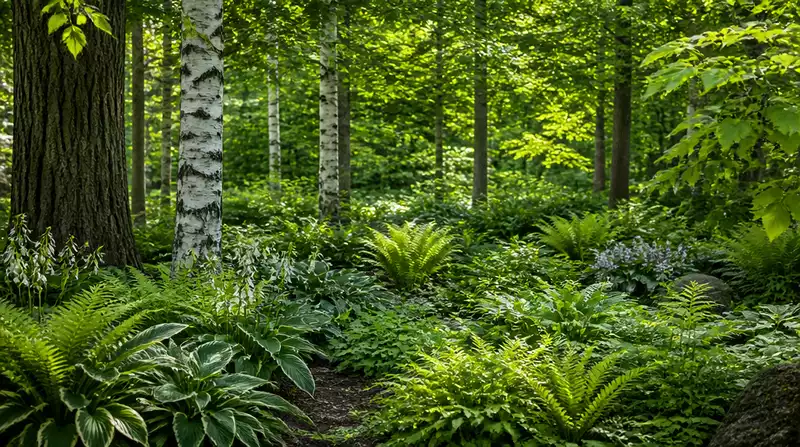
The aesthetic charm of shade gardens cannot be understated. Picture a tranquil space filled with a variety of textures and colors, where dappled sunlight filters through the leaves. This artistic interplay of light and shadow invites relaxation and peace, making it an ideal spot for reading or enjoying a cup of tea.
Beyond beauty, shade gardens offer essential ecological benefits. Here are several key advantages:
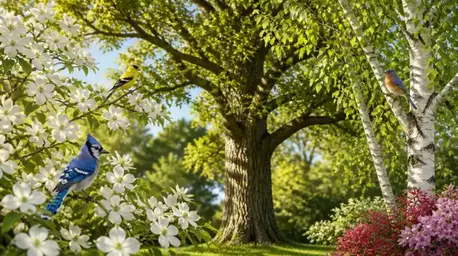
- Improved Biodiversity: With the right mix of trees, shrubs, and plants, we can create thriving habitats for birds, insects, and beneficial wildlife.
- Soil Erosion Prevention: The roots of trees help anchor the soil, reducing the risk of erosion and protecting water quality.
- Temperature Regulation: Trees provide cooling shade, which can lead to lower energy costs in adjacent buildings.
Why Choose Eco-Friendly Trees for Your Garden?
When selecting trees for your shade garden, opting for eco-friendly varieties is a step towards responsible gardening. Eco-friendly trees are typically native species that require less water and fertilizer, making them easier to maintain. These trees also adapt well to local conditions, which means they are less likely to suffer from pests and diseases.
Choosing eco-friendly trees comes with its own set of perks:
- Support for Local Wildlife: Native trees serve as food and shelter for birds, insects, and other creatures in your area.
- Lower Maintenance: These trees are naturally suited for your environment, leading to less need for chemical treatments.
- Enhanced Landscape Resilience: With their adaptability, these trees stand a better chance of thriving under changing climate conditions.
Quick Summary
Here's a brief recap of the key points discussed so far:
- Shade gardens enhance outdoor spaces while supporting local ecosystems.
- Eco-friendly trees improve biodiversity, prevent soil erosion, and regulate temperature.
- Regular maintenance and understanding plant needs are vital for a thriving shade garden.
Maintaining Your Shade Garden: Best Practices
Maintaining a shade garden is like nurturing a hidden oasis. To keep your garden thriving, regular upkeep and seasonal adjustments are essential. As the seasons change, so do the needs of your plants. By staying attentive to these needs, you can ensure that your garden continues to flourish and provide the many benefits that eco-friendly trees offer.
One important aspect of maintenance is understanding the growth patterns of your trees and plants. Regularly checking for signs of stress, such as wilting or discoloration, is crucial. Consider creating a seasonal checklist to guide your maintenance tasks. This way, you can easily track what needs attention and when.
- Monitor moisture levels in the soil.
- Remove any dead or diseased leaves to promote healthy growth.
- Adjust mulching as needed to retain moisture and suppress weeds.
- Plan for seasonal plantings to enhance biodiversity.
By following these practices, you’ll foster a vibrant ecosystem right in your backyard, encouraging local wildlife to thrive. Every little action contributes to a healthier environment, which is at the heart of what Timber & Thrive stands for! For more ideas on how to create a harmonious environment, check out our guide on building biodiverse habitats with trees.
Do's and Don'ts of Under-Tree Gardening
When gardening beneath trees, there are certain guidelines to follow for success. As I’ve learned through years of experience, understanding what works and what doesn’t can make a significant difference in your garden's health. Let’s dive into some essential do’s and don'ts!
- Do: Select shade-tolerant plants that thrive in low-light conditions.
- Don't: Use heavy machinery that may disturb tree roots.
- Do: Keep the area around the base of trees clear of debris.
- Don't: Overwater; trees need less water than you might think!
By adhering to these do’s and don'ts, you’ll not only protect your trees but also enhance the aesthetic appeal of your shade garden. Remember, every choice you make is a step towards a more sustainable future!
Tree Pruning Techniques for Healthier Canopies
Pruning is a vital aspect of maintaining healthy trees in your shade garden. Proper techniques can improve air circulation, enhance light penetration, and stimulate new growth. With a bit of practice, you can effectively care for your trees while keeping them looking their best.
Here are some key pruning techniques to consider:
- Thinning: Remove selected branches to allow light to reach inner foliage.
- Heading: Trim back the tips of branches to encourage bushier growth.
- Cleaning: Remove dead or damaged wood to prevent disease.
As you prune, keep in mind the specific needs of each tree species. Pruning at the right time can make all the difference, so take notes on the best practices for the varieties in your garden. By giving your trees the care they need, you are helping to foster a robust ecosystem that can thrive for years to come!
Conclusion: The Long-Term Benefits of Shade Gardens
Reflecting on the beauty and importance of shade gardens, it's clear they offer both aesthetic and ecological payoffs. Not only do they create pleasing landscapes, but they also provide habitats for wildlife and contribute to a healthier planet. Imagine walking through your garden, surrounded by the gentle rustle of leaves and the vibrant colors of various plants!
Starting small is key to building your eco-friendly landscape. Perhaps you could begin with just one tree or a few native plants. As you see the garden grow, you'll likely be inspired to expand your efforts. Remember, every tree planted is a step towards a greener future!
Shade gardens also play a significant role in urban forestry and climate resilience. They can help combat urban heat and improve air quality, making our cities more livable. Let’s work together to cultivate these green spaces and inspire others to do the same because together, we can thrive—one beautiful shade garden at a time! For additional insights, explore how urban forestry benefits residents.
Frequently Asked Questions about Shade Gardens
As we wrap up, I want to address some common questions about shade gardens to further empower you on your journey!
How do I choose the right eco-friendly tree for my climate?
Choosing the right tree starts with understanding your local climate and soil conditions. Look for native species that are well-adapted to your area, as they will thrive with less maintenance and support local wildlife.
What are the best practices for planting around tree roots?
When planting around tree roots, always opt for shallow planting to minimize disturbance. Use organic mulch to enrich the soil while protecting the roots from extreme temperatures. Remember, safeguarding the root zone is crucial for tree health!
How can shade gardens contribute to carbon sequestration and biodiversity?
Shade gardens play a vital role in carbon sequestration by absorbing CO2 through photosynthesis. They also enhance biodiversity by providing habitats for various species, supporting a balanced ecosystem. A thriving shade garden truly offers a sanctuary for both plants and wildlife alike!
Recap of Key Points
Here is a quick recap of the important points discussed in the article:
- Shade Gardens Enhance Aesthetics and Ecology: They provide beauty while supporting local ecosystems and improving air quality.
- Choose Eco-Friendly Trees: Native trees require less maintenance and support local wildlife, making them a sustainable choice for shade gardens.
- Regular Maintenance is Crucial: Monitor moisture levels, remove dead leaves, and adjust mulching to ensure a thriving garden.
- Follow Do's and Don'ts for Under-Tree Gardening: Select shade-tolerant plants and avoid heavy machinery that can disturb tree roots.
- Pruning Techniques Matter: Use thinning, heading, and cleaning techniques to maintain healthy tree canopies and promote growth.
- Start Small for Sustainable Growth: Begin with a few native plants or trees, and expand as you gain confidence in your gardening efforts.

Celia Greenwood
Celia Greenwood is a dedicated environmentalist and tree care expert with a passion for promoting sustainable practices. With years of experience in eco-friendly planting and tree preservation, Celia aims to educate and inspire others to embrace environmentally conscious choices. Her mission is to foster a community that values trees as vital components of our ecosystem, ensuring a greener future for generations to come.