Cooling Effects of Shade
- Blocks direct sunlight from heating surfaces.
- Decreases ground temperature significantly.
As we face rising temperatures, the solutions to creating cooler outdoor spaces lie all around us in the form of trees. But how much can a simple tree truly impact your garden’s climate? Research shows that a single mature tree can cool the air by up to 10 degrees Fahrenheit. This article explores the science behind the cooling effects of trees and provides a comprehensive guide for gardeners looking to create a more comfortable environment.
The table below illustrates how trees contribute to cooling through shade and evapotranspiration, along with the temperature reduction achieved by a single mature tree.
A single mature tree can cool the air by up to 10 degrees Fahrenheit through moisture release.
Have you ever noticed how a shady tree can change the temperature of your garden? Trees are more than just beautiful additions to our landscapes; they play a vital role in cooling our surroundings. By understanding the science behind their cooling effects, we can make informed choices on how to optimize our gardens for a cooler and more comfortable environment.
When we think about heat reduction, two main processes come to mind: shade and evapotranspiration. These natural phenomena work together to create a cooler microclimate. Trees provide shade, which blocks direct sunlight from heating the ground and air. At the same time, they release moisture through evapotranspiration, helping to cool down the surrounding area. Together, these factors can lead to significant temperature reductions, making your garden an oasis of comfort. For more insights on how to care for newly planted trees to maximize these benefits, consider these sustainable care tips for new trees.
Understanding how trees reduce surface and air temperatures is essential for anyone looking to enhance their garden's cooling capabilities. When trees cast shade, they lower the temperature of the ground and nearby structures. This can prevent heat buildup in patios, decks, and other hard surfaces that absorb sunlight. Imagine enjoying your morning coffee on a shaded deck where the temperature is noticeably cooler!
Evapotranspiration, on the other hand, is the process where trees absorb water from the soil and release it into the air as vapor. This not only helps maintain moisture in the soil but also cools the air around it. You might be surprised to learn that a single mature tree can cool the air by up to 10 degrees Fahrenheit! By incorporating trees into your garden, you can harness these natural cooling effects to create a more pleasant outdoor space.
By planting the right species and spacing them appropriately, we can maximize these benefits. At Timber & Thrive, we aim to educate our community about the importance of trees and how they contribute to a sustainable environment. Let's dive deeper into the types of trees that can enhance your garden's cooling effects!
Evapotranspiration might sound complex, but it simply refers to the process of water movement from the soil to the atmosphere. Trees play a significant role in this cycle by absorbing water through their roots and releasing it into the air. The result? A cooler, more humid environment that can be refreshing during those hot summer days.
To maximize the benefits of evapotranspiration, consider planting trees strategically. Selecting native species that thrive in your area ensures that they efficiently utilize local water resources. These trees will not only help in cooling but also support local wildlife, enhancing biodiversity in your garden! Discover more about choosing native trees for planting to further enhance your garden's ecosystem.
When it comes to selecting trees for heat reduction, it's essential to consider their type and growth habits. Deciduous trees provide fantastic shade during the summer months while allowing sunlight to warm your space in winter. On the other hand, evergreen trees can act as effective windbreaks year-round, reducing heat loss during cooler seasons.
Each tree type has its advantages, and the right choice depends on your specific needs and climate conditions. By exploring the options available to you, you can create a garden that not only looks beautiful but also stays cool and inviting!
As we continue to explore the features of trees that aid in cooling, it's clear that thoughtful selection and placement can make a significant difference in our gardening practices. So, let's get growing and nurture our trees for a cooler, greener future!
Here's a brief recap of the key points discussed so far:
Here are some common questions about using trees to cool your garden, based on the information provided in this article:
Starting your journey toward a cooler garden doesn’t have to be overwhelming! At Timber & Thrive, we believe that with a little planning and dedication, anyone can create a vibrant, shaded oasis. Let’s dive into some practical steps that will guide you through effective tree planting for heat reduction.
First, it's essential to have a clear plan for where and how to plant your trees. By following a step-by-step guide, you can ensure your trees are positioned for maximum benefit. Remember, the goal is not just to plant a tree but to create a thriving environment that enhances your garden's cooling capabilities!
Ready to get started? Here’s a straightforward guide to help you along the way:
By following these steps, you’ll be well on your way to establishing a tree canopy that significantly reduces heat in your garden.
A sun-map is a fantastic tool for visualizing how sunlight moves across your garden. To create one, spend a sunny day observing your garden at different times. Track where sunlight falls and where shadows are cast. This will help you determine the best spots for planting trees!
Make sure to note:
With your sun-map in hand, you’re ready to choose the right trees for each area of your garden.
To simplify your planning process, consider creating a tree selection table. This table can include key information such as tree species, their growth requirements, and expected height. Here’s a simple format you might follow:
| Tree Species | Sun Requirements | Height at Maturity |
|---|---|---|
| Red Maple | Full Sun | 40-60 ft |
| Sweetgum | Full Sun | 60-80 ft |
| Eastern Redbud | Partial Shade | 20-30 ft |
This table will serve as a helpful reference as you make your selections and plan your planting.
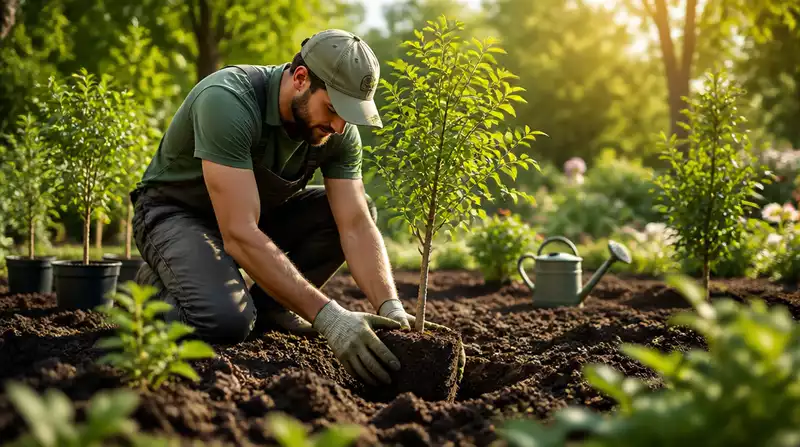
When it comes time to plant, remember these essential techniques to ensure your trees thrive:
By using these techniques, you’ll help your trees establish strong roots and flourish in your garden. For more detailed guidance, explore nurturing trees for healthier growth.
Even with careful planning, you may encounter some hurdles along the way. But fear not! Many common challenges can be addressed with a bit of foresight and knowledge.
It’s vital to recognize potential problems and have solutions in mind. Here are a few to consider:
One concern with tree planting is managing root spread and leaf litter. Roots can extend far beyond the tree's canopy, potentially encroaching on pathways or neighboring plants. To address this:
When planting near edible gardens, compatibility is key. Some trees may cast too much shade or compete for nutrients. To prevent conflicts:
Healthy soil is crucial for thriving trees. To maintain soil health, consider:
With these strategies, you’ll be better prepared to tackle challenges as they arise! Remember, at Timber & Thrive, we're here to support you in every step of your tree planting journey.
Planting trees not only benefits our own gardens but also our communities. Sharing experiences and learning from one another can create a ripple effect, inspiring others to take action!
Success stories can motivate others to join the movement! Consider gathering testimonials from friends or neighbors who have successfully transformed their gardens through tree planting. Here are a few ways to collect insights:
Highlighting transformations can encourage more people to engage! Collect photos and stories of gardens that have benefited from tree planting efforts. Seeing the impact firsthand inspires others to take action in their own spaces.
As we work toward a greener future, community involvement is essential. Here are some ways to promote sustainable tree planting:
Find out if there are local organizations focused on reducing urban heat through tree planting. Joining forces can amplify your efforts and spread awareness. Look for:
Becoming an advocate for tree planting in your community can lead to significant change! Consider:
Collaborate with others in community gardens or urban forestry projects. These initiatives provide a fantastic platform to engage with like-minded individuals. Plus, you’ll gain valuable experience!
In summary, implementing a successful tree planting strategy can significantly reduce heat in your garden while creating a beautiful green space. Remember to plan carefully, overcome challenges, and engage with your community. Now, what will your next steps be? Let's cultivate a greener future together and make our gardens thrive!
Here is a quick recap of the important points discussed in the article:
Celia Greenwood is a dedicated environmentalist and tree care expert with a passion for promoting sustainable practices. With years of experience in eco-friendly planting and tree preservation, Celia aims to educate and inspire others to embrace environmentally conscious choices. Her mission is to foster a community that values trees as vital components of our ecosystem, ensuring a greener future for generations to come.