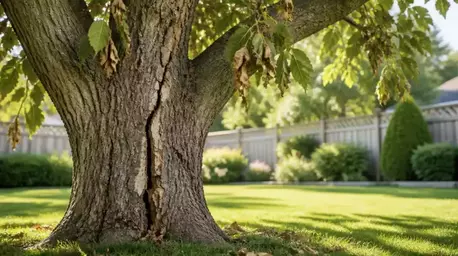
Companion Planting with Trees

Did you know that integrating trees into your gardening practices can significantly enhance both productivity and sustainability? Companion planting is a powerful method that utilizes the natural relationships between plants to create a thriving ecosystem. Let’s explore the key insights you can gain from this sustainable gardening approach.
What You Will Learn
- Companion planting enhances growth and productivity by strategically pairing plants that support each other's development.
- Trees play a crucial role in companion planting, providing essential benefits such as shade, improved soil structure, and wind protection.
- Selecting the right companion plants based on tree types significantly impacts your garden's health and resilience against pests and diseases.
- Understanding your local climate is vital for successful companion planting, as it influences which plants will thrive together.
- Incorporating agroforestry principles, such as layering and diversity, can maximize the benefits of both trees and crops in your garden.
- Diversity in planting strategies not only improves pest control and pollination but also enriches soil health, resulting in a more sustainable garden.
- Urban forestry and companion planting can work together to enhance city living by improving air quality and providing green spaces for community well-being.
- Utilizing resources like companion planting calculators and visual guides can help you make informed decisions and design effective plant combinations.
Key Benefits of Companion Planting with Trees
Companion planting enhances growth and supports various ecological benefits. Below are the primary advantages and considerations of this sustainable gardening practice.
Advantages
- Enhances growth and productivity
- Improves pest control
- Encourages biodiversity
- Promotes soil health
Common Questions
- What are the best companion plants for different types of trees?
- How does the climate impact these strategies?
- How to incorporate agroforestry principles in your garden?
Cost-Benefit Analysis
- Reduced costs by minimizing pesticide and fertilizer use.
- Increased yields through healthier plant diversity.
- Long-term savings from improved soil health.
Long-Term Benefits
- Pest control through diversity.
- Support for a variety of pollinators.
- Better soil health and nutrient cycling.
Understanding the Advantages of Companion Planting with Trees
Have you ever thought about the magic that happens when certain plants grow together? Companion planting is a time-tested method that brings various plants together to create a thriving ecosystem. This approach not only enhances growth but also supports pest management and soil health. At Timber & Thrive, we believe that understanding the benefits of companion planting can empower more sustainable tree care practices.
The purpose of companion planting extends beyond aesthetics. It aims to maximize the potential of your garden by pairing plants that support each other's growth. These relationships can be symbiotic, meaning that plants can help each other thrive, leading to a healthier and more productive garden. Just imagine a beautiful space where every plant plays a role in the overall success of the garden!
Defining Companion Planting and Its Purpose
Companion planting involves strategically placing different plants together for mutual benefits. This might mean planting flowers alongside vegetables to attract pollinators or placing specific herbs near fruit trees to deter pests. Each pairing has a purpose, and understanding these relationships can significantly improve your garden's output. Isn't it fascinating how nature works in harmony?
At its core, companion planting is about creating beneficial relationships. Some plants can provide shade or nutrients, while others improve soil quality or attract beneficial insects. By embracing this approach, we not only enhance our gardens but also contribute to a more sustainable world. It's a beautiful way to nurture nature while cultivating a thriving garden.
- Enhances growth and productivity
- Improves pest control
- Encourages biodiversity
- Promotes soil health
Why Trees Are Essential in Companion Planting
Trees play a vital role in the practice of companion planting. They provide essential canopy cover, which can create a microclimate that benefits understory plants. With their towering presence, trees can also help in windbreaks and offer shade, making them perfect companions for various crops. Have you ever stood beneath a tree on a hot day? That cool shade can be a lifesaver!
Moreover, trees contribute to soil health in numerous ways. Their extensive root systems improve soil structure and prevent erosion, while their leaf litter adds organic matter to the ground. This combination not only supports the tree itself but also benefits neighboring plants, creating a thriving ecosystem. Imagine planting a tree and watching it nurture the plants around it—it's like giving a gift that keeps on giving!
- Provide shade and shelter
- Enhance soil structure
- Support biodiversity
- Offer wind protection
Quick Summary
Here's a brief recap of the key points discussed so far:
- Companion planting enhances growth, pest management, and soil health.
- Trees provide essential benefits such as shade, improved soil structure, and biodiversity support.
- Choosing the right companion plants can significantly boost your garden's productivity.
- Aligning companion planting strategies with local climate conditions is crucial for success.
Addressing Common Questions on Companion Planting with Trees
When it comes to companion planting with trees, many gardeners have questions. What are the best companion plants for different types of trees? How does the climate impact these strategies? These questions are essential for anyone looking to cultivate a thriving garden that harmonizes with nature.
What Are the Best Companion Plants for Different Types of Trees?
Choosing the right companions for your trees can make all the difference! Here are some popular tree types along with their ideal companions:
- Fruit Trees: Consider planting clover or marigolds to enhance pollination and control pests.
- Shade Trees: Understory plants like ferns or hostas can thrive in the shade while improving soil health.
- Nut Trees: Pair with legumes to promote nitrogen fixation, enriching the soil for future growth.
By carefully selecting companions, you can create a balanced ecosystem that supports your trees and benefits the entire garden. Remember, diverse plant combinations can lead to healthier plants and increased resilience against pests and diseases!
How Does Climate Affect Companion Planting Strategies?
The climate in your region greatly influences the success of companion planting. Different plants thrive in various conditions, and understanding your local climate can help you choose wisely. For instance, in warmer climates, drought-resistant plants like succulents can be excellent companions for trees that require less moisture.
Here are some factors to consider:
- Temperature: Look for plants that can survive your region's temperature extremes.
- Rainfall: Consider drought-tolerant varieties in areas with low rainfall.
- Sunlight: Assess how much sunlight your trees receive to pair them with appropriate companions.
By aligning your companion planting strategy with your climate, you can enhance the sustainability of your garden. This alignment not only supports plant health but also promotes a thriving ecosystem!
How to Incorporate Agroforestry Principles in Your Garden
Agroforestry is a wonderful way to blend trees and crops, maximizing the benefits of both! Incorporating agroforestry principles into your garden can significantly enhance productivity and sustainability. Here’s how to get started:
- Layering: Utilize vertical space by planting taller trees alongside shorter crops.
- Diversity: Mix various plants to create a more resilient ecosystem that can withstand pests and diseases.
- Soil Health: Use cover crops to enrich the soil and maintain moisture retention.
At Timber & Thrive, we believe that integrating these principles can lead to not only a lush garden but also a community approach to sustainable practices. So, let’s get creative and see how we can encourage biodiverse habitats with trees right in our backyards!
Encouraging Sustainable Practices through Companion Planting
Companion planting with trees is more than just an aesthetic choice; it's a sustainable practice that benefits the environment. One of the key benefits is the cost-effectiveness of this approach. By strategically planting companions, we can reduce the need for chemical fertilizers and pesticides, leading to healthier ecosystems.
Cost-Benefit Analysis of Companion Planting with Trees
When considering the financial aspects of companion planting, here are some points to keep in mind:
- Reduced Costs: Fewer pesticides and fertilizers mean a lower garden budget!
- Increased Yields: Healthy, diverse plantings can lead to higher crop yields.
- Soil Health Maintenance: Improved soil quality can reduce long-term costs associated with soil amendments.
Investing in companion planting not only benefits your wallet but also contributes to a healthier planet. It’s a win-win for both your garden and the environment!
Long-Term Benefits of Diversity in Planting Strategies
Diversity in your planting strategy is key to a thriving garden. Not only does it enhance the resilience of your plants, but it also supports greater biodiversity in the ecosystem. Here’s why you should embrace diversity:
- Pest Control: Diverse plants can confuse pests and reduce infestations.
- Pollinator Support: A variety of flowers attracts a range of pollinators, boosting productivity.
- Soil Enrichment: Different root structures promote better soil health and nutrient cycling.
By incorporating diverse species, we can create a more sustainable approach to gardening. It’s all about nurturing the natural relationships between plants!
The Role of Urban Forestry in Sustainable Practices
Urban forestry plays a crucial role in enhancing green spaces within cities. By integrating trees into urban landscapes, we promote sustainability and improve our quality of life. Here’s how trees contribute to urban environments:
- Air Quality Improvement: Trees filter pollutants, providing cleaner air for city dwellers.
- Climate Regulation: Urban forests can help mitigate the heat island effect.
- Community Well-being: Green spaces enhance the aesthetic appeal of neighborhoods and provide areas for relaxation.
As we strive for a greener future, urban forestry and companion planting can work hand in hand. Together, we can create thriving urban ecosystems that benefit both people and the planet!
Getting Started with Your Own Companion Planting Project
Now that you have a better understanding of companion planting with trees, it’s time to roll up your sleeves and get started! Whether you’re an experienced gardener or a beginner, these strategies can help you create a flourishing ecosystem right in your backyard.
Interactive Companion Planting Calculator
To guide your planting decisions, consider using an interactive companion planting calculator. These tools can help you determine the best plant combinations based on your specific conditions. By entering your tree type and preferred plants, you can discover the optimal pairings!
Visual Resources and Guides for Beginners
Visual aids can be incredibly helpful when embarking on your companion planting journey. Look for guides that illustrate effective combinations and planting layouts. These resources can serve as valuable references as you design your garden!
Utilizing Cover Crops and Mulching Techniques
Incorporating cover crops and mulching techniques can significantly enhance your soil health. Cover crops help improve soil structure and fertility, while mulch retains moisture and suppresses weeds. By implementing these practices, you can set the stage for a thriving garden environment!
Conclusion and Call to Action for Sustainable Gardening
As we wrap up this exploration of companion planting with trees, remember that every small step contributes to a larger movement toward sustainability. Implementing diverse plant stands in your garden not only supports your trees but also fosters a healthier ecosystem.
Implementing Diverse Plant Stands in Your Garden
Consider how you can integrate diverse species into your planting strategy. Whether it’s pairing fruit trees with beneficial herbs or creating layered plantings, the choices you make can lead to abundant benefits!
Encouraging Community Engagement in Eco-Friendly Practices
Finally, let’s not forget the power of community! Encourage your neighbors to join you in eco-friendly practices. Share what you’ve learned about companion planting and inspire others to contribute to a greener future. Together, we can cultivate a thriving environment that nurtures both nature and our communities.
Recap of Key Points
Here is a quick recap of the important points discussed in the article:
- Companion Planting Benefits: Enhances growth, improves pest control, encourages biodiversity, and promotes soil health.
- The Role of Trees: Provide shade, enhance soil structure, support biodiversity, and offer wind protection in companion planting.
- Best Companion Plants: Pair fruit trees with clover or marigolds, shade trees with ferns or hostas, and nut trees with legumes for optimal growth.
- Climate Considerations: Choose plants suited for your region's temperature, rainfall, and sunlight to enhance companion planting success.
- Agroforestry Principles: Incorporate layering, diversity, and cover crops to maximize productivity and sustainability in your garden.
- Cost Benefits: Companion planting can reduce costs on pesticides and fertilizers while increasing yields and improving soil health.
- Community Engagement: Encourage neighbors to participate in sustainable gardening practices and share knowledge on companion planting.
Frequently Asked Questions About Companion Planting with Trees
- What is companion planting?
- Companion planting is a gardening method where different plants are strategically placed together to create mutual benefits, such as enhanced growth, improved pest control, and better soil health.
- Why are trees essential in companion planting?
- Trees are crucial because they provide canopy cover, create microclimates, offer windbreaks, provide shade, and contribute to soil health through their root systems and leaf litter, all of which benefit neighboring plants.
- What are good companion plants for fruit trees?
- For fruit trees, consider planting clover or marigolds. Clover can enhance pollination and enrich the soil, while marigolds can help deter pests.
- How does climate affect companion planting?
- Climate significantly impacts companion planting strategies. You should choose plants that can tolerate your region's temperature extremes, rainfall patterns, and sunlight availability to ensure they thrive together.
- What are agroforestry principles, and how can I apply them in my garden?
- Agroforestry principles involve blending trees and crops to maximize benefits. You can incorporate layering (planting different heights), diversity (mixing various plants), and using cover crops to enrich soil and retain moisture.
- What are the long-term benefits of diverse planting strategies?
- Long-term benefits include enhanced pest control (as diverse plants confuse pests), better pollinator support (attracting more beneficial insects), and improved soil health through varied root structures and nutrient cycling.
- How can urban forestry and companion planting work together?
- Urban forestry integrates trees into city landscapes to improve air quality, regulate climate, and enhance community well-being. Coupled with companion planting, urban green spaces can become more productive and sustainable, benefiting both people and the environment.
Encouraging Sustainable Practices through Companion Planting
Companion planting with trees is more than just an aesthetic choice; it's a sustainable practice that benefits the environment. One of the key benefits is the cost-effectiveness of this approach. By strategically planting companions, we can reduce the need for chemical fertilizers and pesticides, leading to healthier ecosystems.
Cost-Benefit Analysis of Companion Planting with Trees
When considering the financial aspects of companion planting, here are some points to keep in mind:
- Reduced Costs: Fewer pesticides and fertilizers mean a lower garden budget!
- Increased Yields: Healthy, diverse plantings can lead to higher crop yields.
- Soil Health Maintenance: Improved soil quality can reduce long-term costs associated with soil amendments.
Investing in companion planting not only benefits your wallet but also contributes to a healthier planet. It’s a win-win for both your garden and the environment!
Long-Term Benefits of Diversity in Planting Strategies
Diversity in your planting strategy is key to a thriving garden. Not only does it enhance the resilience of your plants, but it also supports greater biodiversity in the ecosystem. Here’s why you should embrace diversity:
- Pest Control: Diverse plants can confuse pests and reduce infestations.
- Pollinator Support: A variety of flowers attracts a range of pollinators, boosting productivity.
- Soil Enrichment: Different root structures promote better soil health and nutrient cycling.
By incorporating diverse species, we can create a more sustainable approach to gardening. It’s all about nurturing the natural relationships between plants!
The Role of Urban Forestry in Sustainable Practices
Urban forestry plays a crucial role in enhancing green spaces within cities. By integrating trees into urban landscapes, we promote sustainability and improve our quality of life. Here’s how trees contribute to urban environments:
- Air Quality Improvement: Trees filter pollutants, providing cleaner air for city dwellers.
- Climate Regulation: Urban forests can help mitigate the heat island effect.
- Community Well-being: Green spaces enhance the aesthetic appeal of neighborhoods and provide areas for relaxation.
As we strive for a greener future, urban forestry and companion planting can work hand in hand. Together, we can create thriving urban ecosystems that benefit both people and the planet!
Getting Started with Your Own Companion Planting Project
Now that you have a better understanding of companion planting with trees, it’s time to roll up your sleeves and get started! Whether you’re an experienced gardener or a beginner, these strategies can help you create a flourishing ecosystem right in your backyard.
Interactive Companion Planting Calculator
To guide your planting decisions, consider using an interactive companion planting calculator. These tools can help you determine the best plant combinations based on your specific conditions. By entering your tree type and preferred plants, you can discover the optimal pairings!
Visual Resources and Guides for Beginners
Visual aids can be incredibly helpful when embarking on your companion planting journey. Look for guides that illustrate effective combinations and planting layouts. These resources can serve as valuable references as you design your garden!
Utilizing Cover Crops and Mulching Techniques
Incorporating cover crops and mulching techniques can significantly enhance your soil health. Cover crops help improve soil structure and fertility, while mulch retains moisture and suppresses weeds. By implementing these practices, you can set the stage for a thriving garden environment!
Conclusion and Call to Action for Sustainable Gardening
As we wrap up this exploration of companion planting with trees, remember that every small step contributes to a larger movement toward sustainability. Implementing diverse plant stands in your garden not only supports your trees but also fosters a healthier ecosystem.
Implementing Diverse Plant Stands in Your Garden
Consider how you can integrate diverse species into your planting strategy. Whether it’s pairing fruit trees with beneficial herbs or creating layered plantings, the choices you make can lead to abundant benefits!
Encouraging Community Engagement in Eco-Friendly Practices
Finally, let’s not forget the power of community! Encourage your neighbors to join you in eco-friendly practices. Share what you’ve learned about companion planting and inspire others to contribute to a greener future. Together, we can cultivate a thriving environment that nurtures both nature and our communities.
Recap of Key Points
Here is a quick recap of the important points discussed in the article:
- Companion Planting Benefits: Enhances growth, improves pest control, encourages biodiversity, and promotes soil health.
- The Role of Trees: Provide shade, enhance soil structure, support biodiversity, and offer wind protection in companion planting.
- Best Companion Plants: Pair fruit trees with clover or marigolds, shade trees with ferns or hostas, and nut trees with legumes for optimal growth.
- Climate Considerations: Choose plants suited for your region's temperature, rainfall, and sunlight to enhance companion planting success.
- Agroforestry Principles: Incorporate layering, diversity, and cover crops to maximize productivity and sustainability in your garden.
- Cost Benefits: Companion planting can reduce costs on pesticides and fertilizers while increasing yields and improving soil health.
- Community Engagement: Encourage neighbors to participate in sustainable gardening practices and share knowledge on companion planting.

Celia Greenwood
Celia Greenwood is a dedicated environmentalist and tree care expert with a passion for promoting sustainable practices. With years of experience in eco-friendly planting and tree preservation, Celia aims to educate and inspire others to embrace environmentally conscious choices. Her mission is to foster a community that values trees as vital components of our ecosystem, ensuring a greener future for generations to come.