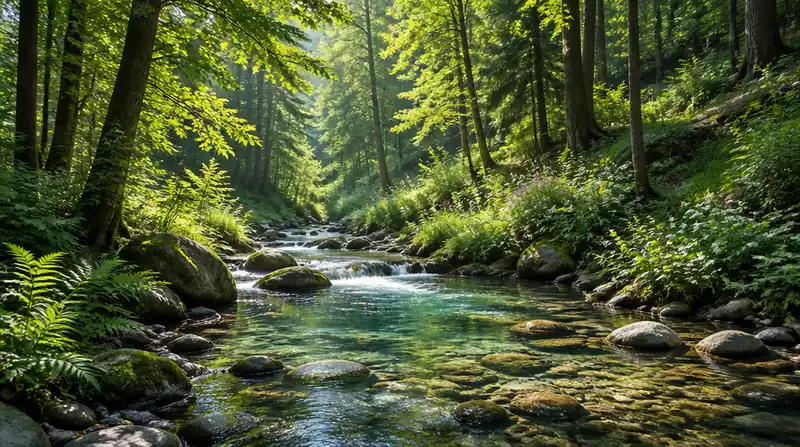
As we face increasing challenges related to climate change and environmental degradation, the importance of forests in sustaining our freshwater resources cannot be overstated. This article reveals the intricate connections between forests and water, emphasizing the need for informed action in forest conservation.
What You Will Learn
Forests act as natural buffers, absorbing rainfall and filtering pollutants to maintain clean freshwater supplies.
Healthy forests support biodiversity, regulate climate, and stabilize habitats essential for ecosystem balance.
Implementing sustainable forest management techniques, such as selective logging and reforestation, can enhance water quality.
Deforestation and climate change pose significant threats to freshwater sources, causing habitat loss, soil degradation, and altered rainfall patterns.
Forests play a critical role in the water cycle by facilitating evapotranspiration, soil moisture retention, and groundwater recharge.
Integrating forest preservation into water resource policies is essential for ensuring clean and abundant freshwater for future generations.
Impact of Forests on Freshwater Quality
Forests play a critical role in maintaining the quality of our freshwater sources through various ecosystem services. Below is a visual representation of how forests contribute to water filtration and ecosystem balance. For deeper insights into sustainable practices, consider exploring sustainable tree care practices.
Freshwater Filtration
Absorbs rainfall, reducing surface runoff.
Filters out sediment and pollutants.
Ecosystem Balance
Provides habitat for diverse species.
Stabilizes soil to minimize erosion.
Climate Regulation
Trees absorb carbon dioxide to mitigate climate change.
Influence local rainfall patterns through evapotranspiration.
Groundwater Recharge
Promotes infiltration of water into the ground.
Helps replenish aquifers for sustainable water supply.
Understanding the Essential Role of Forests in Freshwater Protection
Forests are not just beautiful landscapes; they play a *vital role* in protecting our freshwater sources. These lush ecosystems act as natural guardians, influencing both the quality and supply of the water we rely on every day. As an environmentalist and tree care expert, I’ve seen how forests impact our lives in ways we might take for granted.
Defining the Interconnection Between Forests and Freshwater Sources
When we think about freshwater sources, we often picture rivers, lakes, and streams. However, the health of these water bodies is closely tied to the surrounding forests. Forests act as a buffer, absorbing rainfall and *filtering pollutants* before they reach water sources. This interconnection is crucial for maintaining clean water supplies for both humans and wildlife.
Forests absorb rainfall, reducing surface runoff.
They filter out sediment and pollutants from water.
Forests provide habitat for wildlife that contributes to ecosystem balance.
Understanding this relationship helps us appreciate the importance of **sustainable tree care** practices. At Timber & Thrive, I strive to educate others about how maintaining healthy forests can positively impact our water resources. For more information on nurturing trees for healthier growth, visit our guide on nurturing trees for healthier growth.
Examining the Ecosystem Services Provided by Forests
Forests offer a wide range of ecological benefits that go beyond just providing clean water. They are unmatched in their ability to support biodiversity, regulate climate, and stabilize habitats. Each tree plays a part in this intricate system, working together to create a balanced ecosystem that benefits us all.
Biodiversity: Forests are home to *millions of species*, contributing to a rich tapestry of life.
Climate Regulation: Trees absorb carbon dioxide, helping to *mitigate climate change*.
Habitat Stabilization: Root systems hold soil in place, preventing erosion and maintaining the integrity of the land.
As we delve deeper into these services, it becomes clear just how interconnected forests and freshwater really are. By fostering a community that values these natural resources, we can work towards a brighter, greener future for generations to come!
How Forests Function as Natural Filters and Regulators
Forests act as natural filters that clean our water before it reaches rivers and lakes. This process is crucial for ensuring that the water we drink is safe and healthy. Together, we can appreciate the role forests play in enhancing water quality while also recognizing the importance of protecting these valuable ecosystems.
Quick Summary
Here's a brief recap of the key points discussed so far:
Forests serve as natural guardians, influencing the quality and supply of freshwater.
Healthy forests absorb rainfall and filter pollutants, ensuring clean water for ecosystems.
Effective forest management practices can enhance water quality and watershed health.
Deforestation and climate change pose significant threats to both forests and freshwater resources.
Understanding the water cycle helps us appreciate the vital role of forests in maintaining water quality.
Addressing Content Gaps and Common Questions
As someone who is deeply passionate about trees and the environment, I often encounter questions about how we can effectively manage our forests to protect our water sources. Understanding the link between forest management and water quality is vital for anyone interested in sustainable practices. Here, I’ll share some actionable forest management techniques that can enhance both water quality and watershed health.
Actionable Forest Management Practices for Water Protection
Effective forest management is all about making informed choices that benefit both trees and water systems. By implementing the right practices, we can create a thriving ecosystem that supports not only the forests themselves but also the precious freshwater resources they protect. Here are some essential techniques you can consider:
Selective Logging: This method minimizes canopy disruption, allowing for a healthy regrowth of trees and improved water retention.
Riparian Buffers: Establishing vegetated zones along watercourses helps filter pollutants and stabilize banks, enhancing water quality.
Controlled Burns: Using fire carefully can clear underbrush, reduce the risk of wildfires, and promote the growth of native species.
Reforestation: Planting trees in deforested areas not only restores habitats but also enhances groundwater recharge.
These practices align with the mission of Timber & Thrive to promote responsible tree care and encourage sustainable forestry. By adopting these methods, we can all contribute to the health of our watersheds!
Impact of Threats on Freshwater Sources: Deforestation and Climate Change
With the increasing pressures of deforestation and climate change, our freshwater sources are at risk. It's important to recognize how these threats can affect the health of our forests and, ultimately, our water supply. Here are some key impacts to consider:
Habitat Loss: Deforestation disrupts the delicate balance of forest ecosystems, leading to biodiversity decline and loss of natural water filtration. For more on this topic, read about deforestation's effects on local ecosystems.
Soil Degradation: Without trees, soil becomes more susceptible to erosion, negatively impacting water quality and availability.
Altered Rainfall Patterns: Climate change can shift weather patterns, leading to unpredictable rainfall that affects both forest health and water resources.
Increased Flooding: The loss of trees reduces the land's ability to absorb rainfall, contributing to flooding and water contamination.
Addressing these threats is crucial, and each one of us can play a part in advocating for sustainable practices to protect our precious freshwater.
Exploring the Water Cycle and Its Relation to Forest Ecosystems
Have you ever wondered how forests contribute to the water cycle? It's fascinating to think about the integral role they play in regulating streamflow and maintaining water quality. Here’s how forests are involved:
Evapotranspiration: Trees release water vapor into the atmosphere, which contributes to cloud formation and precipitation.
Soil Moisture Retention: Forests help maintain moisture levels in the soil, ensuring a steady water supply for streams and rivers.
Groundwater Recharge: Forested areas promote the infiltration of water into the ground, replenishing aquifers.
Streamflow Regulation: Trees stabilize riverbanks and slow down runoff, helping to maintain consistent flow in watercourses.
By understanding these connections, we can better appreciate the importance of protecting our forests, not just for their beauty, but for the critical services they provide!
Frequently Asked Questions About Forests and Freshwater
How do forests improve freshwater quality?
Forests act as natural filters, absorbing rainfall, reducing surface runoff, and filtering out sediments and pollutants before they reach water bodies. Their root systems also stabilize soil, preventing erosion.
What ecosystem services do forests provide related to water?
Forests provide services such as freshwater filtration, groundwater recharge, climate regulation (influencing rainfall patterns), soil stabilization, and habitat for diverse species, all of which indirectly or directly benefit water quality and supply.
What forest management practices can protect water sources?
Effective practices include selective logging, establishing riparian buffers (vegetated zones along watercourses), controlled burns to manage underbrush, and reforestation efforts to restore habitats and enhance groundwater recharge.
How do deforestation and climate change threaten freshwater?
Deforestation leads to habitat loss, increased soil erosion, and reduced natural water filtration. Climate change alters rainfall patterns, leading to unpredictable water availability and increased risks of flooding or drought, all of which negatively impact freshwater sources.
What role do forests play in the water cycle?
Forests are crucial for the water cycle through evapotranspiration (releasing water vapor), soil moisture retention (maintaining steady water supply), groundwater recharge (replenishing aquifers), and streamflow regulation (stabilizing riverbanks and slowing runoff).
Summarizing the Key Insights and Advocating for Forest Conservation
Benefits of Integrating Forest Preservation into Water Resource Policies
Incorporating forest preservation into our water resource policies is not just beneficial but essential. Recognizing forests as natural infrastructure for water security allows us to create more effective management strategies that ensure clean and abundant freshwater for all. When we act to conserve forests, we are also safeguarding our water sources. Explore how deforestation impacts air and water to understand the broader implications.
Encouraging Informed Action for Forest Conservation
Now is the time to take action! I urge you to engage in forest conservation efforts and support initiatives that align with Timber & Thrive's mission. Whether it’s volunteering for local tree-planting events, spreading awareness, or making eco-conscious choices, every action counts towards a healthier planet. Together, we can advocate for the trees that nurture our waters and sustain our communities!
Recap of Key Points
Here is a quick recap of the important points discussed in the article:
Forests play a vital role in protecting freshwater sources by absorbing rainfall and filtering pollutants.
Healthy forests support biodiversity, regulate climate, and stabilize habitats, enhancing ecosystem balance.
Effective forest management practices, such as selective logging and riparian buffers, can improve water quality.
Deforestation and climate change threaten freshwater sources, causing habitat loss and soil degradation.
Forests contribute to the water cycle through evapotranspiration, moisture retention, and groundwater recharge.
Integrating forest preservation into water resource policies is crucial for sustainable water management.
Engaging in forest conservation efforts can help safeguard both forests and freshwater resources.
Celia Greenwood
Celia Greenwood is a dedicated environmentalist and tree care expert with a passion for promoting sustainable practices. With years of experience in eco-friendly planting and tree preservation, Celia aims to educate and inspire others to embrace environmentally conscious choices. Her mission is to foster a community that values trees as vital components of our ecosystem, ensuring a greener future for generations to come.
Timber & Thrive is dedicated to empowering individuals and communities with the knowledge and practices needed to nurture our planet. Our mission is to promote sustainable tree care and eco-friendly planting, providing you with actionable insights to contribute to a greener future.