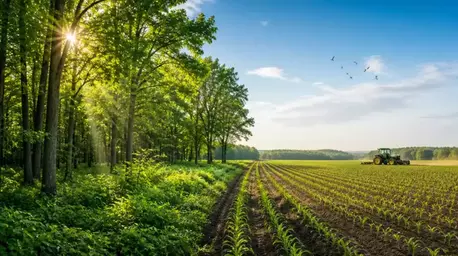
Thorough Site Evaluation
Assessing the conditions of your planting area is vital for ensuring tree success.
Did you know that selecting the right trees can dramatically reduce your gardening workload while enhancing your landscape? With the right tree planting strategy, you can create a sustainable environment that thrives with minimal maintenance.
Explore the essential elements that contribute to a successful low-maintenance tree planting strategy.
Assessing the conditions of your planting area is vital for ensuring tree success.
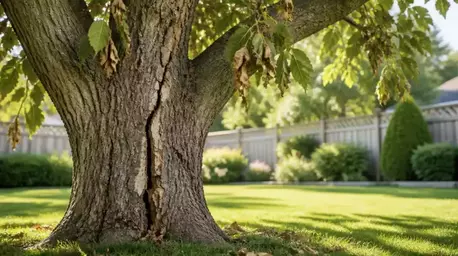
Choose species that fit well with your local climate and soil type for optimal growth.
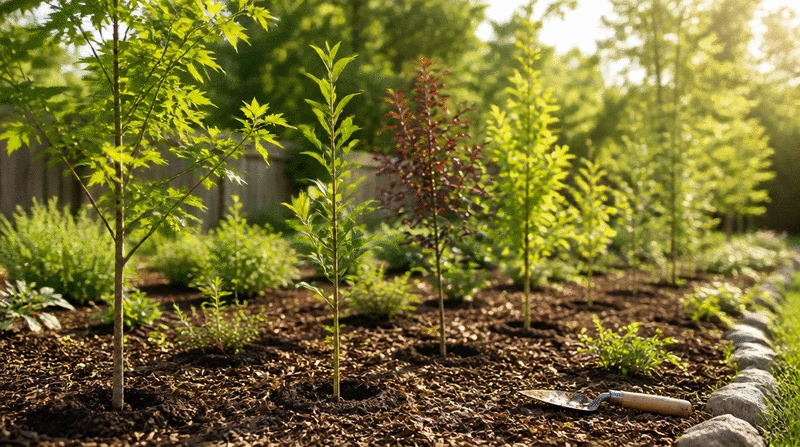
Implementing effective methods reduces future maintenance needs significantly.
Connect with others for support and shared knowledge in tree planting efforts.
When it comes to planting trees, many of us desire a lush, green landscape without the constant upkeep. That's where a sustainable tree planting strategy for minimal maintenance comes into play. By focusing on the right techniques and tree species, we can create a thriving ecosystem that needs less attention while still contributing positively to our environment.
It's exciting to think that with the right approach, we can enjoy the beauty of trees while supporting our local wildlife and reducing our workload. At Timber & Thrive, we believe that everyone can participate in fostering a greener future, and it all starts with understanding how to plant sustainably. You can learn more about sustainable tree care practices to enhance your efforts.
Low-maintenance tree planting is all about selecting the right species and planning for their long-term health. This means choosing trees that naturally thrive in your area, requiring less water and care over time. Imagine a landscape where your trees grow strong with minimal fuss—sounds dreamy, right?
By understanding the needs of your chosen trees and aligning them with local conditions, you set the stage for a successful planting. It’s about finding that sweet spot where trees can thrive without demanding excessive resources. Let's explore how we can achieve this together!
So, what exactly are low-maintenance trees? These are species that have adapted well to local climates and soil types, making them easier to care for. Here are some benefits of choosing low-maintenance trees:
By selecting low-maintenance varieties, we not only ease our own gardening tasks but also contribute to a more sustainable environment. For additional guidance, consider our article on nurturing trees for healthier growth.
Planning for long-term sustainability is crucial when establishing a low-maintenance tree planting strategy. Think of it as planting for the future! Consider factors such as climate change, local wildlife, and soil conditions, as they will all impact your trees’ growth.
When we plan wisely, we set ourselves up for success. This means envisioning how our trees will interact with their surroundings over the years. A well-thought-out approach can not only preserve our efforts but also enhance the beauty and functionality of our landscapes.
Choosing the right spot for your trees is essential to their success. Evaluating site conditions ensures that your trees will thrive with minimal intervention. There are several key factors to consider:
These factors play a pivotal role in determining which trees will flourish and which may struggle, helping you make informed decisions for your planting strategy.
Before planting, it’s vital to assess how much sunlight your planting site receives. Different trees have varying light requirements, so knowing if your area is in full sun, partial shade, or full shade will guide your selections. Moreover, understanding your hardiness zone can help narrow down tree choices to those that will thrive in your particular climate.
Consider using resources like the USDA Plant Hardiness Zone Map to determine your zone. This knowledge will empower you to select trees that are not only beautiful but also capable of thriving in your local environment!
Soil types vary widely, and the right tree species for sandy soil may not suit clay soil! Testing your soil can provide insights into its composition and drainage capabilities. Here are some factors to consider:
By evaluating these aspects, you can choose trees that will not only survive but thrive in their given environment.
Before you start digging, it’s crucial to identify any utility lines and obstacles on your property. These can include:
By recognizing these elements, you can strategically place your trees to ensure safety and promote healthy growth.
Now that we’ve covered site conditions, let’s dive into the exciting part—selecting the right tree species! Choosing the right trees for your landscape can significantly reduce future maintenance. Here are some key considerations:
At Timber & Thrive, we believe that selecting the right trees is the foundation of a successful planting strategy! You can learn more about choosing native trees for planting in your area.
When selecting trees, it's wise to focus on species that require minimal watering and pruning. Trees such as the Eastern Red Cedar or the Sourwood are excellent choices. They are naturally adapted to their environments, meaning they can grow strong even with limited water. Plus, they have growth habits that keep their shape without constant trimming.
This approach not only saves time but also encourages a more self-sustaining landscape that thrives on nature’s resources.
Another factor to consider is the adaptability of tree species to different soil types. Some trees, like the Black Cherry or the Sweetgum, can flourish in a range of soil conditions. This versatility allows you to plant confidently, knowing that your trees will stand resilient against changing environmental conditions.
By choosing adaptable species, we create landscapes that are robust and less reliant on our intervention!
Using native species is a game-changer when it comes to sustainable planting. Native trees are perfectly suited for local climates, which means they need less water and care. For instance, the Oak Tree or the Pawpaw not only thrive in their natural environment, but they also provide habitats for local wildlife and pollinators.
By planting native trees, we honor the ecosystems they belong to while enhancing biodiversity in our landscapes.
Drought-tolerant and pest-resistant trees are fantastic choices for the low-maintenance gardener. Trees such as the Red Maple and the American Hornbeam not only handle dry spells better but also resist common pests. This means less worry and more enjoyment in your green space!
Embracing these varieties aligns perfectly with our mission at Timber & Thrive to promote eco-friendly practices that benefit both our landscapes and the environment.
Now that we know what trees to choose, let’s discuss effective planting techniques. Proper techniques can greatly reduce maintenance in the future. Consider these strategies:
Implementing these techniques will lay the groundwork for a thriving tree canopy with minimal intervention!
When planting trees, it’s essential to plan for their growth and crown spread. Providing enough space allows each tree to flourish without competing for resources. As a rule of thumb, make sure to space trees according to their mature size. This foresight will prevent overcrowding and promote healthy growth!
At Timber & Thrive, we often advise planning for at least three to five feet apart for smaller trees and up to ten feet for larger species. This thoughtful arrangement helps create a beautiful canopy in the future!
Proper rootball placement is key to ensuring that your trees establish themselves successfully. When planting, make sure the rootball is level with the soil surface. This will prevent water from pooling around the trunk, which can lead to rot.
Taking the time to get this right will pay off in the long run, helping your trees settle in comfortably and grow strong!
Mulch is a simple yet powerful tool in tree planting. By applying a layer of mulch around your trees, you'll help retain moisture and suppress weeds. This not only benefits the trees but also promotes healthy soil conditions.
Consider using organic mulch, such as wood chips or bark, to enrich the soil as it breaks down. It’s a win-win for your trees and the environment!
Efficient water management is crucial for low-maintenance tree care. Implementing a drip irrigation system can help deliver water directly to the roots, minimizing waste and ensuring deep penetration. This is particularly helpful during dry spells and can make all the difference in your trees' health.
Setting up a system may seem like a task, but it will make your life easier and your trees happier in the long run! For more insights into efficient watering, look into sustainable care for new trees.
As we dive deeper into sustainable tree planting, it's important to highlight some common mistakes that can hinder your success. Avoiding these pitfalls can help ensure a thriving landscape:
By steering clear of these errors, you’ll pave the way for a flourishing tree environment that requires less ongoing work.
Overcrowding may seem like a good way to maximize space, but it can lead to long-term problems. Trees competing for resources will grow weak and unhealthy. Instead, give each tree the room it needs to thrive!
Planning for adequate spacing is vital to fostering a robust and vibrant landscape that enhances your property’s beauty.
It’s easy to overlook how large a tree will get once it's fully grown. Ignoring the mature size of your chosen species can lead to unexpected challenges down the road. Always take the time to research how big your trees will grow, ensuring they fit well into your landscape without issues.
By planning for the future, we can create a harmonious environment that benefits both nature and ourselves!
Even low-maintenance trees need some care! Neglecting to factor in ongoing maintenance can lead to bigger problems later. Regular check-ins on your trees for pests or diseases ensure they stay healthy.
Think of it as a partnership—your trees and you working together for a sustainable future!
Equipping yourself with the right tools and resources can make your tree planting journey smoother. Here are some valuable resources to consider:
Using these resources can enhance your planting experience and empower you to make informed decisions.
Low-maintenance trees are species that are well-adapted to local climates and soil types, requiring less water, pruning, and protection from pests and diseases. They are chosen for their ability to thrive with minimal intervention, making them ideal for sustainable landscapes.
Thorough site evaluation is crucial because it helps identify optimal conditions for tree growth. Factors like sun exposure, hardiness zone, soil quality, and drainage directly influence a tree's ability to thrive. Matching the right tree to the right place minimizes future maintenance and ensures longevity.
Native tree species are naturally suited to local climates, meaning they generally require less water and care. They also support local wildlife by providing food and habitat, enhancing biodiversity, and contributing to a healthier ecosystem.
Effective planting techniques include proper spacing to prevent overcrowding, correct rootball placement for healthy establishment, and incorporating mulch for soil health and moisture retention. Efficient irrigation systems also play a key role in managing water use and reducing manual effort.
Avoid overcrowding trees, which leads to competition for resources, and ignoring their mature sizes and growth patterns, which can cause unexpected issues. Also, remember that even low-maintenance trees require some ongoing care; neglecting these needs can lead to bigger problems.
The USDA Plant Hardiness Zone Map is a fantastic starting point for any tree planting project. It provides valuable insight into which trees will thrive based on your local climate. By consulting this map, you’ll avoid the frustration of planting species that won’t survive in your area!
This tool is essential for anyone looking to create a sustainable and successful tree planting strategy.
Understanding your soil is critical to successful tree planting. The Web Soil Survey offers detailed soil data for your location. This information can guide your tree selections, helping you identify which species will flourish in your specific soil conditions.
Being well-informed about your soil can lead to a healthier and more vibrant landscape!
Don’t underestimate the value of connecting with local nurseries! They can provide you with high-quality trees and valuable expertise about what works best in your area. Local nurseries often carry native species that are well-suited for your landscape.
By fostering relationships with these resources, you can access knowledge that enhances your planting efforts.
Lastly, don't overlook the power of community! Many communities offer gardening workshops and resources that can empower you in your tree planting journey. Engaging with fellow gardeners can inspire your efforts and provide useful tips for success.
At Timber & Thrive, we’re passionate about sharing knowledge and building community—every step we take together makes a positive impact on our environment! Consider joining a community tree program to contribute even more.
Did you know? Regularly engaging with your local gardening community can significantly enhance your low-maintenance tree planting strategy. By sharing experiences and learning from others, you can discover new techniques, gain insights into local tree species, and stay updated on best practices that align with your region's climate and soil conditions.
As we reflect on our journey toward low-maintenance tree planting, it’s clear that there are essential elements that ensure success. With a solid understanding of site evaluation and tree selection, we can foster a thriving environment while minimizing upkeep. Throughout my experience with Timber & Thrive, I've seen firsthand how these strategies lead to healthier trees and happier gardeners!
Every element plays a crucial role in creating a sustainable landscape. Here’s a quick review of the key components that contribute to a successful low-maintenance tree planting strategy:
One of the most rewarding aspects of tree planting is the sense of community that it fosters. By engaging with local gardening groups and forums, you can share insights and gain inspiration from others who share your passion for trees. The support from fellow enthusiasts can really make a difference in your planting journey!
Here are some benefits of connecting with others in your community:
Now that we’ve covered the essentials, it's time to take action! Creating your personalized tree planting plan will set you on the right path toward success. Consider your goals and the specific needs of your landscape to ensure a thriving environment.
As you embark on this exciting journey, here are some important considerations for future tree care and maintenance:
By taking these steps, you’ll not only cultivate beautiful trees but also contribute to a greener future! Let’s make our planet healthier, one tree at a time! Together, we can thrive and create a legacy of sustainability for generations to come.
Here is a quick recap of the important points discussed in the article:
Celia Greenwood is a dedicated environmentalist and tree care expert with a passion for promoting sustainable practices. With years of experience in eco-friendly planting and tree preservation, Celia aims to educate and inspire others to embrace environmentally conscious choices. Her mission is to foster a community that values trees as vital components of our ecosystem, ensuring a greener future for generations to come.