Leaf Scorch
Edges of leaves turn brown and crispy, indicating the tree's distress due to lack of water.
Ever wondered how drought can impact the health of trees in your landscape? Understanding the intricacies of drought stress is essential for nurturing resilient trees that can thrive even in adverse conditions. Here’s what you’ll learn from this guide!
Understanding the symptoms and impacts of drought stress is essential for maintaining tree health. Below are some key indicators and their characteristics:
Edges of leaves turn brown and crispy, indicating the tree's distress due to lack of water.
Leaves droop, showing a significant loss of turgor pressure, signaling urgent need for water.
Trees may shed leaves prematurely to conserve water, indicating severe stress.
As an environmentalist and tree care expert, I know firsthand the impact of drought on our beloved trees. When water becomes scarce, trees often face significant challenges that can lead to long-term health issues. Understanding drought stress is crucial for anyone looking to maintain vibrant and resilient trees in their landscapes.
Drought stress occurs when trees cannot access enough water to meet their needs. This can happen due to prolonged periods of dry weather, poor soil conditions, or competition for resources. By recognizing the signs of drought stress early on, we can take proactive measures to help our trees thrive again! For more insights into tree health, consider learning about nurturing trees for healthier growth.
Being able to identify the symptoms of drought stress is essential for any tree caretaker. Some common signs include:
Each of these symptoms provides valuable insight into the tree's condition. For instance, leaf scorch is a clear indicator that the tree is struggling! It’s a natural response to help reduce water loss. If you start noticing these signs, it’s time to act.
Leaf scorch often appears first as the tree's leaves become dry and discolored. This can happen even in healthy trees if they suddenly face drought conditions. Wilting is another significant symptom, where leaves might droop and stems bend due to a lack of water. Recognizing these signs early can make a huge difference in the treatment and recovery of your trees!
If you notice any of these symptoms, don't hesitate to evaluate the tree's overall health. Sometimes, a little extra care can go a long way in helping it bounce back! You can also consult resources on tree care warning signs for further guidance.
To determine how severely a tree is affected by drought, it’s essential to assess not only the visible symptoms but also the overall environment. Ask yourself:
By considering these factors, you can gain a clearer picture of your tree's health. Remember, at Timber & Thrive, we believe that understanding your tree's needs is the first step in effective care. Our mission is to empower you to make informed decisions that promote sustainable tree care!
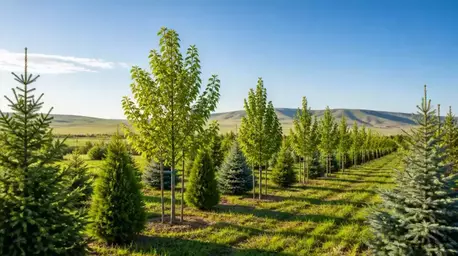
Not all trees react the same way to drought. Some species are naturally more resilient than others, thanks to their unique adaptations. Recognizing and selecting these drought-resilient species can be a game-changer for your landscape. Here are a few to consider:
Choosing the right tree species not only enhances the beauty of your landscape but also contributes to sustainability. After all, native trees are better adapted to your local climate and soil conditions.
When selecting trees for your garden, look for those that have evolved to tolerate drought conditions. Native species often have the best chance of thriving in your local environment. They are adapted to deal with the fluctuations in moisture and temperature!
Consider consulting resources at Timber & Thrive to find local recommendations tailored to your area. We are here to help you cultivate a vibrant ecosystem that stands strong, even in challenging conditions.
Native plants play a crucial role in environmental health. They provide habitat for wildlife and help maintain soil structure and moisture. When selecting trees for drought-prone areas, native species should be at the top of your list!
By fostering biodiversity and choosing trees that are well-suited to your local climate, you create a more resilient landscape. This not only benefits your trees but also contributes to the overall health of our planet. Let's work together to ensure our green spaces flourish, even in the face of drought!
Consider implementing a regular tree care schedule that incorporates seasonal assessments. Check for signs of drought stress at the beginning of each season to catch any early symptoms. This proactive approach allows you to tailor your care strategies based on the changing environmental conditions, ensuring your trees remain healthy and resilient throughout the year!
As we navigate the challenges of caring for trees, developing a long-term strategy is essential for ensuring their health and resilience. At Timber & Thrive, I believe that proactive care can make a significant difference in the survival and growth of our trees, particularly after they’ve faced drought stress. By creating a sustainable care plan tailored to your specific trees and location, you’ll be setting the stage for vibrant, thriving greenery in the future!
It's important to remember that each tree species has unique needs, so it’s beneficial to research and understand what will work best for your particular circumstances. Have you thought about how local water restrictions might affect your care routine? By adjusting your strategies accordingly, you can ensure that your trees remain healthy even during dry spells. For more information on adapting to changing conditions, explore climate change and tree health.
When developing a care plan, it’s helpful to consider the following factors:
By tailoring your care to these aspects, you’ll not only help your trees recover but also prepare them for future challenges. It’s like creating a personalized roadmap for their health!
Establishing a recovery strategy tailored to specific tree species can be a game changer! Some trees recover quickly from drought, while others may need more time and resources. Here’s how to approach it:
By focusing on these elements, you create a roadmap that sets your trees on the path to thriving!
Regional water restrictions can impact your tree care routine significantly. Here are some strategies to adapt your plan:
By implementing these strategies, you can ensure that your trees are cared for, even when water is limited. Together, we can promote healthy trees that will contribute to a sustainable environment!
Irrigation plays a crucial role in tree care, especially during dry periods. At Timber & Thrive, I encourage exploring various techniques to ensure efficient water use. Traditional methods like hand watering can be effective but combining them with modern approaches can yield better results!
Here are a few irrigation techniques worth considering:
Choosing the right method can maximize water efficiency and support your trees’ needs!
Conserving water while caring for your trees is essential! Implementing these practices can make a difference:
By embracing these conservation practices, you’re not only helping your trees but also contributing to broader environmental efforts! What a win-win!
After a drought, it can be challenging to gauge when trees will bounce back. Understanding recovery timelines helps set realistic expectations. While some trees may show improvement quickly, others may take longer to show signs of recovery.
Monitoring progress week by week can illuminate your trees' recovery journey. Look for:
By keeping an eye on these changes, you can determine how well your trees are responding to care efforts!
Setting achievable goals can guide your tree care journey. Here’s how to create those goals:
By establishing clear and realistic goals, you’re more likely to stay motivated and engaged throughout the recovery process! For more on ongoing tree maintenance, consider our guide on sustainable tree care practices.
After addressing drought recovery, it’s essential to evaluate the overall viability of your trees. Sometimes, despite our best efforts, a tree may not be able to recover fully. This decision can be tough, but it’s part of responsible tree stewardship.
To assess whether a tree can be saved, consider these factors:
By considering these aspects, you can make informed decisions about your trees’ futures.
When evaluating whether a tree can be saved, ask yourself these questions:
Reflecting on these factors can help you decide whether to invest more time and resources into saving the tree.
Unfortunately, some trees may show clear signs that removal is the best option. Watch for:
Recognizing these signs allows you to make a responsible decision that prioritizes safety and the health of your landscape.
To support your efforts in caring for trees after drought, here are some valuable resources:
Discover trusted organizations and educational materials that can enhance your knowledge:
Utilizing these resources will empower you in your journey toward sustainable tree care.
Here are some frequently asked questions that may help you:
The amount of water will vary based on tree size and species, but a general guideline is to provide deep watering once a week, giving about 10 gallons for medium-sized trees. Always monitor the soil moisture to adjust as needed!
Most trees can recover, but it often depends on the species and the severity of the drought. Native trees tend to bounce back better than non-native varieties. It’s always best to consult an expert if you’re unsure!
Early signs include leaf scorch (brown, crispy leaf edges), wilting (drooping leaves), and premature leaf drop, all indicating the tree is struggling to retain moisture.
Assess root health for damage, check soil condition (compacted or dry soil hinders absorption), and consider the tree species, as some are naturally more drought-tolerant than others.
Drought-resilient species like oaks, pines, and willows are good choices. Native plants are particularly beneficial as they are naturally adapted to local climate and soil conditions.
Drip irrigation and soaker hoses deliver water directly to the roots, minimizing waste. Rainwater harvesting and mulching also help retain soil moisture and reduce evaporation.
Removal is usually the best option if the tree shows severe damage (most of it is dead or decayed), poses a hazardous risk to people or structures, or has significant pest infestations compromising its integrity.
Remember, at Timber & Thrive, we are here to support you every step of the way on your tree care journey! Together, we can create a greener future, one tree at a time!
Here is a quick recap of the important points discussed in the article:
Celia Greenwood is a dedicated environmentalist and tree care expert with a passion for promoting sustainable practices. With years of experience in eco-friendly planting and tree preservation, Celia aims to educate and inspire others to embrace environmentally conscious choices. Her mission is to foster a community that values trees as vital components of our ecosystem, ensuring a greener future for generations to come.