Oak Trees
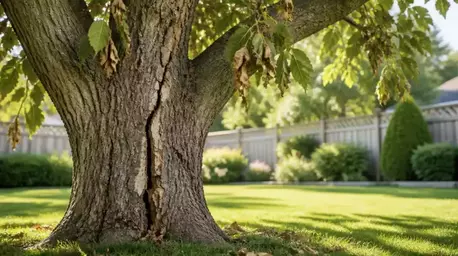
Oak trees offer habitat and food for various insects, including pollinators, contributing to a diverse ecosystem.
Did you know that over 75% of the world's flowering plants depend on animal pollinators to reproduce? This startling statistic highlights the crucial relationship between trees and pollinators, making it essential to understand how we can nurture this connection for a thriving ecosystem.
Understanding the unique benefits of different tree species can greatly enhance pollinator support. Below is a comparison of oak, maple, and cherry trees, highlighting their contributions to pollinator health. To learn more about fostering healthier growth in your trees, check out our guide on nurturing trees for healthier growth.
Oak trees offer habitat and food for various insects, including pollinators, contributing to a diverse ecosystem.
Maple trees bloom early in spring, providing crucial resources for hungry bees when other food sources are scarce.
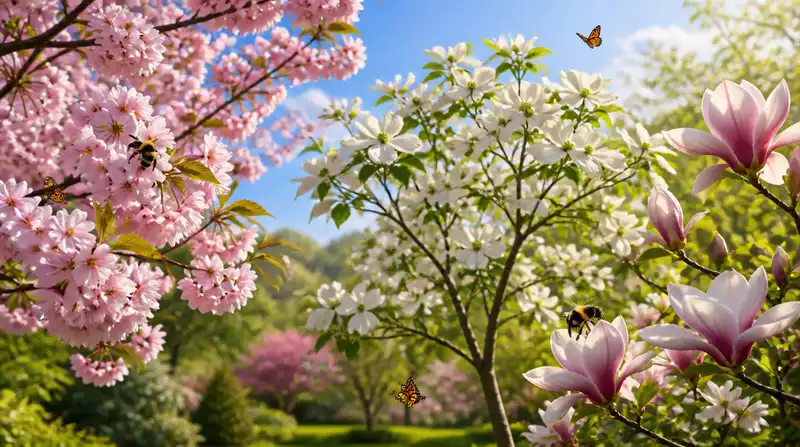
With their beautiful blossoms, cherry trees attract a wide variety of pollinators, supporting ecosystem health.
Selecting the right tree species can significantly impact local pollinator populations and ecosystem vitality.
As an environmentalist and tree care expert, I deeply appreciate the vital role that trees play in supporting our planet's pollinators. These amazing creatures, from bees to butterflies, rely on trees not just for food, but also for habitat. By understanding how trees contribute to pollinator health, we can make informed choices that support a thriving ecosystem.
Pollinators are essential for the reproduction of many plants, including a significant number of crops. Without trees providing the right conditions, we risk diminishing their populations. This is why I believe that fostering a connection between trees and pollinators is crucial for maintaining biodiversity and ensuring a sustainable future.
Trees offer crucial benefits that help pollinators thrive. They provide a variety of resources such as nectar and pollen, which are vital for the survival of these insects. By creating a diverse habitat, trees allow for a greater range of pollinators to flourish in our landscapes.
Additionally, trees act as windbreaks and shelter, protecting pollinators from harsh weather conditions. They create microclimates that can enhance local biodiversity. When we plant trees, we’re not just adding beauty to our surroundings; we’re enhancing the lives of countless pollinators. For more insights on how to care for trees sustainably, explore our article on sustainable tree care practices.
Trees play a significant role in the ecosystem by contributing to the overall health of the environment. They improve air quality, store carbon, and help regulate temperatures, creating a more balanced climate. This is particularly important for pollinators that are sensitive to changes in their habitats.
Moreover, trees support a wide array of organisms that thrive in their branches and roots. By fostering a vibrant ecosystem, we can ensure that the intricate web of life remains intact. At Timber & Thrive, we encourage everyone to recognize the interconnectedness of trees and the wildlife they support.
Choosing native trees is one of the best ways to support local pollinator populations. Native species are adapted to the local environment, making them more resilient and beneficial for the local ecosystem. They offer specific resources that local pollinators have evolved to utilize.
Incorporating native trees into our landscapes leads to healthier and more diverse habitats. By planting these trees, we help ensure that pollinators have the food and shelter they need to not just survive, but thrive! Here are some benefits of native trees:
When we talk about supporting pollinators, it's essential to understand that not all trees are created equal. Certain species are particularly beneficial due to their flowering patterns and the availability of nectar. Knowing which trees to plant can make a significant difference in attracting and supporting pollinators.
For instance, oak trees, maple trees, and cherry trees each play unique roles in supporting pollinator diversity. By selecting the right species for our planting projects, we can create vibrant ecosystems that sustain pollinator health. Let's explore how these trees contribute to the success of pollinators!
Each of these tree species offers distinct advantages for pollinators. Oak trees, for example, provide habitat for various insects, including pollinators. Maple trees bloom early in the spring when other food sources are scarce, making them a crucial resource for hungry bees.
Cherry trees, with their beautiful blossoms, attract a wide variety of pollinators, creating a stunning display while enhancing ecosystem health. By integrating these tree species into our landscapes, we can make a real impact on local pollinator populations!
Flowering trees and fruit trees are particularly significant for pollinators. They not only provide essential food resources, but they also create attractive habitats that encourage pollinator activity. More than just a source of nectar, fruit trees yield delicious fruits that ultimately benefit both wildlife and humans.
When we think about planting, we should prioritize flowering and fruit-bearing trees. By doing this, we create bountiful landscapes that serve both our needs and those of the pollinators. Here’s what makes them vital:
By understanding the importance of trees for pollinators, we can start making informed choices in our planting efforts. At Timber & Thrive, we believe that each tree planted is a step toward fostering a healthier environment for all living beings. Let’s work together to support these vital pollinators and cultivate lush landscapes filled with life!
As we explore the relationship between trees and pollinators, we’d love to hear your thoughts! What steps are you taking to support local pollinators in your community? Share your ideas or experiences below:
A: Trees provide vital resources such as nectar and pollen, which are essential food sources for pollinators. They also offer crucial habitat and shelter, protecting pollinators from harsh weather and supporting diverse insect populations.
A: Native trees are adapted to local environments, making them more resilient and beneficial for local ecosystems. They provide specific resources that local pollinators have evolved to utilize, leading to healthier and more diverse habitats.
A: Oak trees provide habitat and food for various insects. Maple trees bloom early in spring, offering crucial resources for bees when other food sources are scarce. Cherry trees, with their abundant blossoms, attract a wide variety of pollinators.
A: By selecting trees that bloom at different times throughout the year, you can ensure a continuous food supply for pollinators. This helps sustain them from early spring through late fall, covering their entire active season.
A: You can participate in local planting events, educate others about pollinator-friendly practices, and support local conservation efforts. Organizations like the Xerces Society also offer valuable resources and guidance for creating pollinator-friendly habitats.
As we wrap up our discussion on the essential role of trees in supporting pollinators, it’s vital to remember a few best practices. Choosing the right trees is not just about aesthetics; it’s about ensuring we create a thriving ecosystem. Trees play a significant part in helping pollinators such as bees, birds, and butterflies flourish in our environment. Let’s highlight some key considerations to keep in mind when selecting trees for your landscape.
To start, the most critical factor is local adaptation. Always consider native species that are well-suited to your local climate and soil conditions. Not only do native trees have a better chance of survival, but they also provide specific benefits to local wildlife. Additionally, planning for the seasons is essential! Opting for trees that bloom at different times throughout the year will help ensure a continuous food supply for pollinators.
Here’s a quick recap of what to keep in mind when selecting trees for pollinator support:
By focusing on local species, we create a habitat that not only supports pollinators but also reflects the natural beauty of our surroundings. For instance, at Timber & Thrive, we emphasize the importance of planting trees that are indigenous to our area. They are not just beautiful; they play an essential role in maintaining ecological balance! You can learn more about this by reading our article on choosing native trees for planting.
Imagine walking through a landscape filled with trees that are thriving in their natural habitat. This adaptability makes them more resilient to pests, diseases, and changing environmental conditions, which is crucial for our ecosystems. Let’s celebrate the diversity of our local flora by planting trees that belong to our neighborhoods!
Creating a pollinator-friendly environment is a year-round commitment. Spring-blooming trees like redbud and serviceberry kickstart the nectar flow, while summer favorites such as black locust and linden keep the momentum going. In fall, consider planting sugar maples or persimmons to ensure a late-season feast!
By carefully planning your tree selection, you can create a beautiful landscape that benefits both pollinators and your local ecosystem. Keep this seasonal approach in mind as you embark on your planting journey!
Now that we've covered the essentials of choosing the right trees, I want to encourage you to take action! Engaging in pollinator support initiatives is a wonderful way to contribute to our planet's health. There are countless opportunities to get involved, and every little bit helps!
Whether you’re planting your own trees or joining a community project, your efforts can make a difference. Together, we can foster a thriving habitat for pollinators and create a greener future. Here are some effective ways to get started:
Connecting with others who share your passion for trees and pollinators can be incredibly rewarding! Consider joining local conservation groups or participating in tree-planting events. These initiatives not only beautify your community but also foster a sense of camaraderie among like-minded individuals.
At Timber & Thrive, we believe that collective action is crucial in the fight against deforestation and the decline of pollinator populations. Together, let’s plant the seeds of change and watch our efforts blossom! Remember, your actions today can help build a vibrant ecosystem for generations to come. To learn more about how deforestation impacts local ecosystems and what you can do, read our article on deforestation's effects on local ecosystems.
Don’t hesitate to tap into the wealth of information available from organizations dedicated to pollinator conservation. The Xerces Society is a fantastic resource with guides, strategies, and inspiration for creating pollinator-friendly habitats. They offer tips tailored for your specific region and needs, helping you maximize your planting efforts.
As we work together to support our pollinators, it’s essential to share knowledge and resources. Check out their website or local workshops to deepen your understanding and connection with this vital cause! For more tips on how to start a community tree project and contribute to local conservation, see our guide on starting a community tree project.
Here’s a quick recap of the important points discussed in the article regarding the role of trees in supporting pollinators:
Celia Greenwood is a dedicated environmentalist and tree care expert with a passion for promoting sustainable practices. With years of experience in eco-friendly planting and tree preservation, Celia aims to educate and inspire others to embrace environmentally conscious choices. Her mission is to foster a community that values trees as vital components of our ecosystem, ensuring a greener future for generations to come.