Annual Forest Loss
Approximately 10 million hectares of forest are lost each year due to deforestation driven by agricultural expansion, logging, and urban development.
Did you know that approximately 10 million hectares of forest are lost each year due to deforestation? This staggering statistic underscores the urgent need for reforestation as a vital strategy for sustainable development and climate change mitigation. By understanding the profound impact trees have on our planet, we can take action toward a greener future.
Understanding the alarming statistics on deforestation highlights the urgent need for reforestation efforts. Below is a visual representation of key data and benefits associated with reforestation.
Approximately 10 million hectares of forest are lost each year due to deforestation driven by agricultural expansion, logging, and urban development.
A single mature tree can absorb approximately 22 kilograms of CO2 each year, contributing significantly to climate change mitigation.
Reforestation helps restore wildlife habitats, enhancing biodiversity and ecosystem balance by providing shelter and food for various species.
Tree roots hold soil in place, which prevents erosion and protects landscapes from degradation during heavy rains or storms.
Trees regulate water flow, improve water quality, and restore natural processes that contribute to stable and clean water supplies.
Reforestation initiatives can lead to job creation and provide sustainable income streams through eco-tourism and carbon credits.
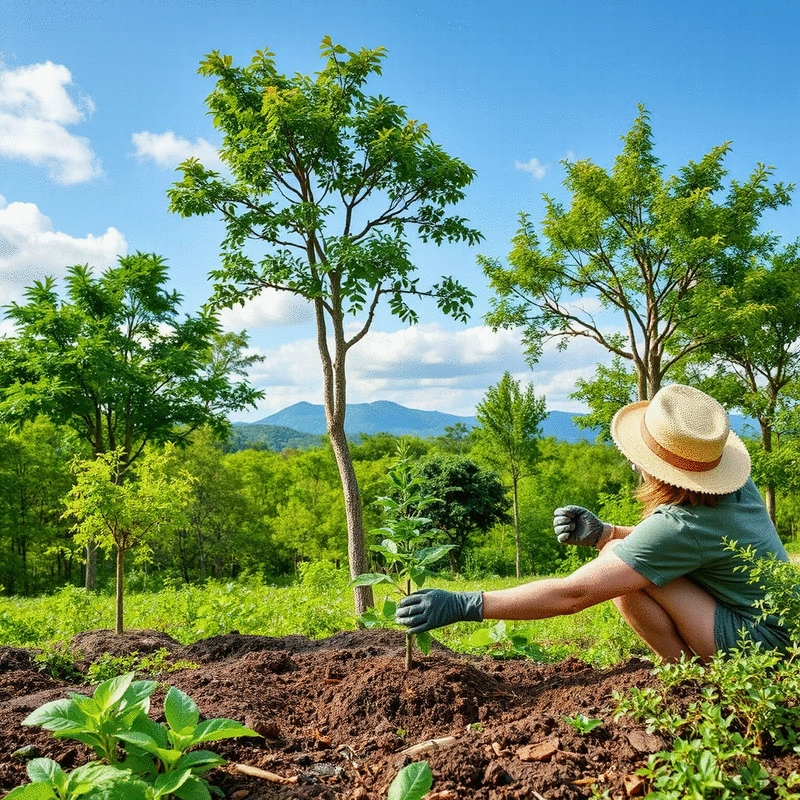
Reforestation is the process of planting trees in areas where forests have been cut down or degraded. This practice is crucial for restoring natural habitats, enhancing biodiversity, and combating climate change. At Timber & Thrive, we believe that every tree planted is a step towards a healthier planet, as it helps to revive ecosystems and support wildlife.
Moreover, reforestation plays a significant role in supporting sustainable development. It can provide vital resources for local communities while also maintaining environmental balance. By embracing reforestation, we invest in a greener future for ourselves and generations to come! For more on nurturing new trees, consider our guide on sustainable care for new trees.
Unfortunately, the current state of global forests is alarming. According to recent studies, we lose approximately 10 million hectares of forest each year due to deforestation. This loss is driven primarily by agricultural expansion, logging, and urban development. Understanding these trends highlights the urgent need for reforestation efforts to reverse the damage and restore our planet’s green cover.
In many regions, deforestation leads to not only a loss of trees but also a decline in biodiversity and disruption of local climates. As advocates for responsible tree care at Timber & Thrive, we see the necessity of raising awareness about these issues so that we can collectively address them through reforestation initiatives.
One of the most significant benefits of reforestation is its ability to absorb carbon dioxide from the atmosphere. Trees play a vital role in the carbon cycle by taking in CO2 during photosynthesis and storing it as biomass. This natural process helps mitigate climate change by reducing greenhouse gases in our atmosphere.
By planting trees, we are literally investing in our planet’s health! Just think about it: a single mature tree can absorb about 22 kilograms of CO2 each year. That’s a remarkable contribution to our fight against global warming, and it’s an effort we can champion together at Timber & Thrive. Discover more about the critical links between deforestation's role in climate change and how reforestation can reverse these effects.
Reforestation not only helps in carbon sequestration but also plays a crucial role in regulating global temperatures. Trees provide shade, reduce urban heat, and even influence local weather patterns. When we support reforestation, we help create a more stable climate, which is essential for both nature and human well-being.
Moreover, restored forests can act as natural barriers against extreme weather events, such as floods and droughts. By investing in these green solutions, we’re not only protecting our environment but also empowering communities to adapt to climate changes more effectively!
To maximize the benefits of reforestation, we can implement several strategies aimed at achieving carbon neutrality:
These strategies not only support climate action but also promote sustainable livelihoods. Together, we can work towards a carbon-neutral future, with every tree making a difference!
Reforestation plays a key role in restoring wildlife habitats that have been lost due to deforestation. By planting trees, we create environments where various species can thrive, contributing to overall ecosystem balance. This restoration is essential for maintaining biodiversity, which is the backbone of healthy ecosystems.
At Timber & Thrive, I often think about how a single tree can offer shelter, food, and a breeding ground for countless creatures. Each planting initiative can spark a resurgence of life that enriches our natural world—a true testament to the power of collective action!
When selecting trees for reforestation, choosing native species is crucial for enhancing biodiversity. Native trees are adapted to local climates and soil conditions, making them more resilient and better for local wildlife. They provide essential habitats and food sources for birds, insects, and mammals.
Furthermore, planting native species helps to preserve the genetic diversity of local flora. This is vital for the overall health of ecosystems, which rely on diverse plant life to support a wide range of animals. By focusing on native trees, we’re not just planting a tree; we’re sowing the seeds of resilience for our environment! Learn more about choosing native trees for planting to support local ecosystems.
Habitat restoration through reforestation is key to ensuring that ecosystems remain balanced and vibrant. By planting trees, we help to reinstate the natural landscape, encouraging the return of native species and the establishment of healthy food webs. This restoration is particularly important in areas that have suffered from habitat degradation.
As we work on our reforestation projects, we must remember that healthy habitats lead to flourishing ecosystems. Let’s join hands to nurture our landscapes and promote biodiversity—every tree planted is a step toward a thriving environment!
One of the often-overlooked benefits of reforestation is its ability to prevent soil erosion. Tree roots hold soil in place, reducing runoff and protecting the land from degradation. This is especially important in areas prone to heavy rains or storms, where soil can be easily washed away.
Additionally, reforested areas improve soil health by enhancing organic matter and promoting nutrient cycling. Healthier soil supports healthier plants, which in turn fosters a more resilient ecosystem. It’s a win-win for our planet!
Trees play a vital role in the water cycle, helping to regulate water flow and improve water quality. Through transpiration, trees release moisture into the atmosphere, contributing to rainfall and maintaining local climates. Reforestation helps restore these natural processes, ensuring that our water supply remains stable and clean.
Moreover, forests act as natural filters, trapping pollutants and sediments before they reach waterways. By planting trees, we are not only protecting our precious water resources but also safeguarding the health of our ecosystems. It’s essential for all of us to recognize the connection between trees, soil, and water!
Implementing soil conservation practices in reforestation projects is crucial for success. Here are a few methods that can help:
By integrating these practices into our reforestation efforts, we not only enhance soil health but also improve the overall effectiveness of our projects. Together, let’s cultivate a thriving ecosystem through sustainable soil management!
Reforestation has a profound impact on achieving the United Nations Sustainable Development Goals (SDGs). From combating climate change to promoting life on land, reforestation initiatives support multiple goals, creating a ripple effect of positive change. Each tree planted is a contribution toward a more sustainable world!
At Timber & Thrive, we believe that these connections are vital for raising awareness and driving action. When we engage with our communities about the importance of forest restoration, we empower them to take part in global efforts that foster a brighter future.
There are numerous inspiring examples of successful reforestation projects that have aligned with the SDGs:
These initiatives demonstrate the effectiveness of reforestation in achieving sustainable development and underline the importance of collaborative efforts to create meaningful change.
Nature-based solutions, particularly reforestation, are essential for addressing various global challenges. By harnessing the power of nature, we can create sustainable systems that benefit both people and the planet. Embracing these solutions allows us to restore ecosystems while enhancing resilience against climate impacts.
For instance, reforestation can be combined with sustainable agriculture to create agroforestry systems that provide food security and restore biodiversity. At Timber & Thrive, we’re passionate about promoting these integrated approaches, as they pave the way for a sustainable future for all.
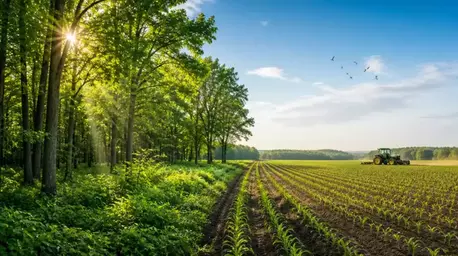
Reforestation is not a one-size-fits-all approach. Urban and rural areas require different strategies to maximize impact. In urban settings, integrating trees into public spaces, parks, and community gardens can enhance the quality of life for residents. Meanwhile, rural areas may benefit from reforestation on agricultural lands, combining farming with tree planting for sustainable land use.
By tailoring our methods to specific environments, we can ensure that reforestation efforts are effective and supportive of local communities. At Timber & Thrive, we understand the importance of these tailored approaches and offer resources to help guide these initiatives.
To ensure the success of reforestation projects, it’s vital to monitor progress effectively. Remote sensing technology can provide valuable data on tree growth, health, and carbon absorption. This technology allows us to track changes over time, helping to inform management practices and adjust strategies as needed.
Incorporating this technology into our reforestation projects enhances accountability and transparency, ensuring that we are making a positive impact on our environment. By utilizing modern tools, we can strengthen our commitment to sustainability!
Innovation is key to successful reforestation efforts. Two promising techniques are agroforestry and urban forestry:
By exploring these innovative approaches, we can maximize the benefits of reforestation while addressing environmental challenges. Together, let’s embrace creativity and take meaningful steps toward a greener future!
When embarking on a reforestation project, consider conducting a thorough assessment of the local ecosystem. This includes understanding the soil conditions, climate, and existing flora and fauna. Tailoring your reforestation efforts to the unique characteristics of the area not only enhances the survival rates of new trees but also promotes a more biodiverse and resilient ecosystem. Remember, every tree planted is an opportunity to revitalize the environment!
Reforestation is not without its hurdles. One significant challenge is the survival rates of newly planted trees. Factors like climate conditions, soil quality, and proper care can all impact whether a sapling thrives or withers away. That’s why it’s essential to choose the right time and techniques for planting to give these young trees their best chance at success! For guidance on nurturing young trees, check out our insights on nurturing trees for healthier growth.
Another concern is the risks associated with monoculture, where only a single species is planted. While this might seem like an efficient strategy, it can lead to greater vulnerability to pests and diseases, ultimately jeopardizing the entire area. Incorporating a mix of species can help create a resilient ecosystem that supports various wildlife and enhances biodiversity.
Lastly, land degradation poses a significant threat to reforestation efforts. Areas that have been over-farmed or damaged by natural disasters may be less suitable for tree planting. This is why engaging in soil restoration practices before planting is crucial for long-term success!
When we talk about reforestation, it's not just about trees; it’s also about the economy! Evaluating the return on investment (ROI) for reforestation projects shows that they can be economically beneficial. Healthy forests contribute to tourism, local economies, and even carbon credits which can be sold.
Additionally, reforestation can lead to job creation and community benefits. By involving local communities in planting and caring for trees, we can foster a sense of ownership and responsibility. This engagement can create employment opportunities, from nurseries to maintenance crews.
Moreover, reforestation can pave the way for broader economic development opportunities. As timber and non-timber forest products become available, they can provide sustainable income streams for communities. Timber & Thrive supports this holistic approach to sustainable growth!
To truly make a difference in reforestation, we need to embrace global collaboration. This includes incentives and international treaties that promote forest restoration. Such agreements can create a unified approach to tackling deforestation and its impacts.
Local governments have an essential role in supporting reforestation initiatives. By creating policies that encourage community engagement and provide funding, they can bolster efforts to restore forests. When local and national policies align, the impact can be far-reaching!
In addition, the role of global partnerships for forests is crucial for reforestation efforts. Collaborating with organizations dedicated to environmental sustainability can amplify our message and help spread knowledge, creating waves of change! Understanding biodiversity's role in forest conservation is also vital for successful global initiatives.
Here is a quick recap of the important points discussed in the article:
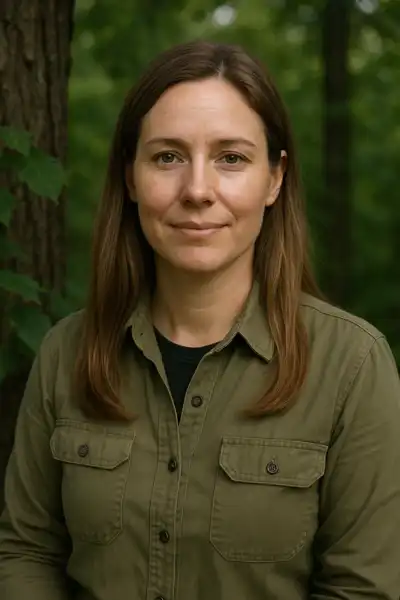
Celia Greenwood is a dedicated environmentalist and tree care expert with a passion for promoting sustainable practices. With years of experience in eco-friendly planting and tree preservation, Celia aims to educate and inspire others to embrace environmentally conscious choices. Her mission is to foster a community that values trees as vital components of our ecosystem, ensuring a greener future for generations to come.