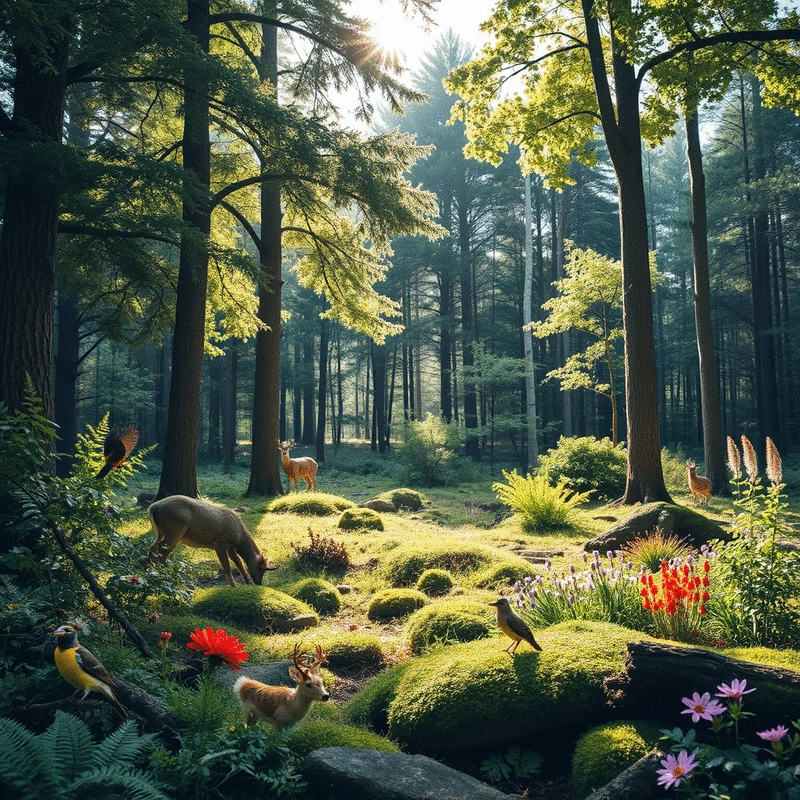
Flora
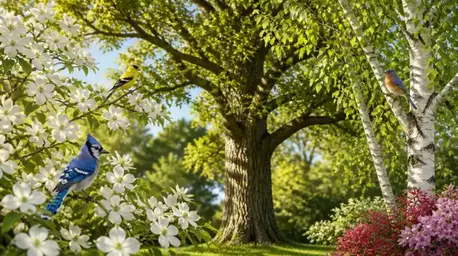
Includes trees, shrubs, and herbaceous plants that contribute to the structural integrity of forests.
In a world where forests are dwindling at alarming rates, the importance of biodiversity in forest conservation cannot be overstated. As you read on, consider how interconnected life truly is and the vital role you can play in preserving it.
Understanding the different aspects of forest biodiversity and their ecological significance is crucial for forest conservation. Nurturing trees for healthier growth is a key part of this process, ensuring that the foundational elements of forest ecosystems thrive.
Includes trees, shrubs, and herbaceous plants that contribute to the structural integrity of forests.
Comprises birds, mammals, insects, and amphibians that play vital roles in pollination and ecosystem dynamics.
Includes fungi, bacteria, and other microorganisms essential for decomposing organic matter and nutrient cycling.
A diverse ecosystem is more resilient against diseases and changing environmental conditions, ensuring stability.
Regions rich in unique species but threatened by human activities, crucial for conservation efforts.
When we think about forests, it’s important to recognize the incredible biodiversity that thrives within them. Biodiversity refers to the variety of life forms, including plants, animals, fungi, and microorganisms, in a specific ecosystem. In forests, this means everything from towering trees to tiny insects. Understanding this diversity is essential for appreciating how forests function and why they are vital to our planet’s health.
Forest biodiversity encompasses all the different species that call the forest home. This includes the trees themselves, the animals that live among their branches, and the myriad organisms that inhabit the soil. Each of these components plays a crucial role in maintaining the balance of the ecosystem. By supporting each other, they create a rich tapestry of life that is essential for the forest's overall health.
Let's dive deeper into why biodiversity matters! Forests are complex ecosystems where various species interact and provide essential services. For instance, trees produce oxygen, while animals help in pollination and seed dispersal. The interdependence of these species is what keeps the ecosystem functioning smoothly. Preserving this balance is critical, especially when considering deforestation's effects on local ecosystems.
Imagine a forest where a single species dominates. It might seem stable at first, but this lack of diversity makes the ecosystem vulnerable to disease, pests, and environmental changes. A diverse array of species, on the other hand, strengthens the ecosystem. They can adapt to changes and bounce back from disturbances, ensuring that the forest remains resilient.
Structural diversity plays a vital role in supporting various habitats! You might be surprised to learn that **dead wood** is crucial for many forest-dwelling species. It provides essential habitat for insects, birds, and fungi, which in turn support larger animals and the entire food web. The mix of living and decaying elements in a forest enhances its overall biodiversity and health.
Now, let's talk about biodiversity hotspots. These are regions that are rich in unique species but also threatened by human activities. Protecting these areas is vital because they are often home to many plants and animals found nowhere else on Earth. Conservation efforts in these regions can make a significant impact in the fight against deforestation and habitat loss. For more information on sustainable practices, consider reading about sustainable tree care practices.
Here’s why we should care about biodiversity hotspots:
At Timber & Thrive, I believe in the power of education and activism to help preserve these important areas. By understanding forest biodiversity, we can better advocate for its protection!
A staggering 80% of the world's terrestrial biodiversity can be found in forests. These ecosystems are not just vital for wildlife; they also play a crucial role in combating climate change by absorbing carbon dioxide from the atmosphere.
Understanding the link between biodiversity and climate resilience can motivate us to take action in protecting these precious ecosystems. How can you contribute to preserving such a vital part of our planet?
It's truly inspiring to think about how each of us can make a difference in forest biodiversity conservation! At Timber & Thrive, we believe that every small action counts. So, what can you do to support our beautiful forests and the rich biodiversity they harbor? Here are some simple yet impactful steps you can incorporate into your daily life.
Engaging in personal actions is not only beneficial for the environment, but it also connects us to nature in meaningful ways. Below are some steps you can take to contribute to forest conservation:
Each of these actions helps nurture our planet and contributes to a healthier ecosystem. When we make informed choices, we create a ripple effect that inspires others to join in!
Community involvement is a powerful tool in biodiversity conservation! When we come together, we can amplify our efforts and raise awareness about the importance of protecting our forests. Here are ways to foster community engagement:
By participating in these initiatives, you help build a sense of community and deepen everyone's connection to nature. Remember, at Timber & Thrive, we find strength in numbers!
Education is a powerful catalyst for change, and it plays a vital role in promoting biodiversity conservation. When we understand the significance of our actions, we become advocates for sustainable practices. Here are some ways you can advance environmental education:
When we take action to educate ourselves and others, we create a community that values and protects our forests. Let’s inspire each other to be stewards of our environment!
To sum it all up, biodiversity is crucial not only for the health of our ecosystems but also for our well-being as humans. Healthy forests provide clean air, water, and countless resources that sustain us. By working together to protect and nurture biodiversity, we ensure a vibrant future for our planet. This collective effort is essential in reversing trends like deforestation's role in climate change.
As you reflect on the information shared, I encourage you to take action! Advocate for sustainable forestry practices by supporting local conservation efforts, participating in community initiatives, and educating others about the significance of biodiversity. Together, we can cultivate a greener future for generations to come! Let’s thrive together—one tree at a time!
Here is a quick recap of the important points discussed in the article:
Celia Greenwood is a dedicated environmentalist and tree care expert with a passion for promoting sustainable practices. With years of experience in eco-friendly planting and tree preservation, Celia aims to educate and inspire others to embrace environmentally conscious choices. Her mission is to foster a community that values trees as vital components of our ecosystem, ensuring a greener future for generations to come.