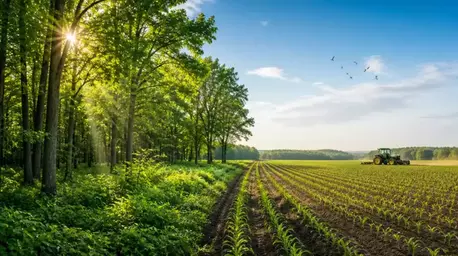
Support Ecosystems Through Tree Planting
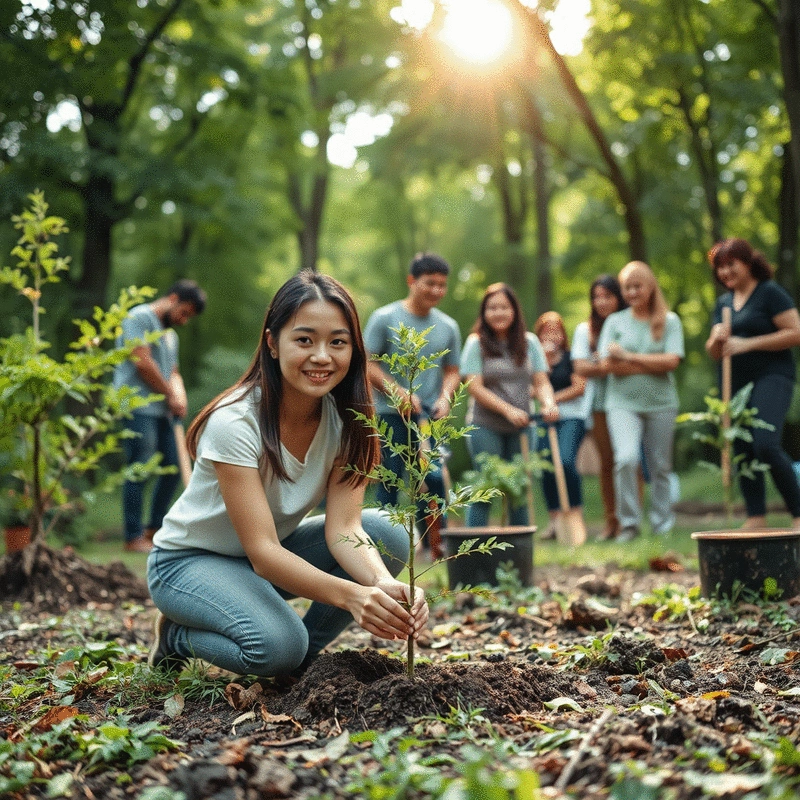
What if every tree you planted could help restore the balance of nature? Tree planting is not just an act of beautification; it is a powerful initiative that nurtures local ecosystems and combats climate change. Join us as we explore the profound impact of trees on our planet's health.
What You Will Learn
- Tree planting plays a vital role in fostering biodiversity by creating habitats and providing food sources for various species.
- Trees are essential for carbon sequestration, helping to combat climate change by absorbing carbon dioxide and improving air quality.
- Engaging with tree planting organizations can amplify community efforts and enhance ecological restoration.
- Measuring the impact of tree planting on local ecosystems can be achieved through tracking biodiversity metrics like species count and habitat quality.
- Utilizing effective long-term monitoring tools, such as remote sensing and citizen science, is crucial for assessing ecosystem health.
- Conducting Environmental Impact Assessments (EIAs) helps evaluate the success of tree planting initiatives and guides future projects.
- Creating sustainable funding models, including grants and corporate sponsorships, is essential for the longevity of tree planting projects.
Tracking Biodiversity Metrics Over Time
To effectively track biodiversity metrics, we can follow some key steps. Here are a few suggestions for what to measure:
Species Count
Keep a record of all tree species planted and native wildlife observed.
Habitat Quality
Assess soil conditions, moisture levels, and plant health periodically.
Wildlife Sightings
Document the types of animals and insects that return to or inhabit the area.
Growth Rates
Measure the growth and survival rates of the planted trees.
Understanding the Importance of Tree Planting for Local Ecosystems
Tree planting is more than just a beautiful sight; it is an essential action that helps sustain our local ecosystems. When we plant trees, we are not only adding greenery to our surroundings, but we are also fostering a habitat for wildlife and nurturing biodiversity. At Timber & Thrive, we believe that every sapling planted is a step toward a healthier planet, emphasizing the vital role trees play in our ecosystem. For more insights on how to care for newly planted trees, consider reading about sustainable care for new trees.
As an environmentalist, I’ve witnessed firsthand how tree planting can bring communities together and spur ecological recovery. Each tree contributes positively to our environment by offering shelter, food, and a habitat for many species. It's a beautiful cycle, one that we can all participate in and benefit from!
The Role of Tree Planting in Biodiversity Recovery
When we think about biodiversity, we often picture colorful flowers and joyful birds. But trees are crucial players in this intricate web. They provide essential resources for countless organisms, helping to maintain ecological balance. Here are some key ways tree planting contributes to biodiversity recovery:
- Habitat Creation: Trees serve as homes for various species, from birds to insects.
- Food Source: Fruits, nuts, and foliage from trees feed many animals and insects.
- Soil Improvement: Tree roots enhance soil structure, leading to healthier ecosystems for all organisms.
By prioritizing tree planting efforts, we can rejuvenate our local wildlife, allowing species to thrive once again in their natural habitats. It’s a simple yet impactful way to contribute to biodiversity, and I encourage everyone to get involved!
How Tree Planting Supports Carbon Sequestration and Climate Resilience
Did you know that trees act as nature's carbon sinks? They absorb carbon dioxide from the atmosphere, storing it in their trunks, branches, and leaves. This process is vital in combating climate change and improving climate resilience. Here are some exciting facts about the impact of tree planting on carbon sequestration:
- Climate Regulation: Trees help moderate temperatures, making environments more livable.
- Air Quality Improvement: Trees filter pollutants from the air, providing cleaner air for everyone.
- Stormwater Management: Tree canopies reduce runoff and promote groundwater recharge.
At Timber & Thrive, we understand the importance of tree planting in mitigating climate change. By planting trees, we are not just improving our local environment—we are also contributing to a global effort to create a more sustainable future! Learn more about the critical role trees play in addressing climate change and tree health.
Tree Planting Organizations: Pioneers in Ecological Restoration
Organizations dedicated to tree planting are playing a pivotal role in ecological restoration. These groups help educate the community, reclaim degraded lands, and advocate for sustainable practices. Here are some inspiring examples of organizations leading the charge:
- Arbor Day Foundation: Focuses on tree planting and conservation efforts worldwide.
- One Tree Planted: Plants trees across the globe, engaging communities in the process.
- TreePeople: Engages local communities in urban forest restoration projects.
Being part of an organization dedicated to tree planting is fulfilling and impactful. I encourage everyone to explore local programs or volunteer opportunities with such organizations. Together, we can amplify our efforts in restoring our precious ecosystems!
Pro Tip
Did you know? Engaging local schools and community groups in tree planting initiatives not only enhances participation but also fosters a sense of ownership and responsibility towards the environment. Consider organizing educational workshops that highlight the benefits of trees, followed by hands-on planting activities. This approach can inspire the next generation of environmental stewards!
Measuring the Impact of Tree Planting on Local Ecosystems
When we talk about tree planting, it’s essential to understand its impact on local ecosystems. How can we truly gauge the effectiveness of our efforts? By tracking biodiversity metrics over time, we gain valuable insights into how our newly planted trees are influencing the habitats around them. This process is not just about counting trees; it's about observing the entire ecosystem and its recovery. Every tree planted can lead to a ripple effect, enhancing wildlife populations and improving overall environmental health!
One way to measure this impact is through regular assessments. We can look at various factors such as species diversity, habitat restoration, and even soil health. By keeping an eye on these metrics, we can understand how our tree planting initiatives are contributing to a healthier ecosystem. Imagine seeing the return of birds that were once absent or noticing a variety of insects thriving in a newly planted area. These signs tell us we’re on the right track!
Tracking Biodiversity Metrics Over Time
To effectively track biodiversity metrics, we can follow some key steps. Here are a few suggestions for what to measure:
- Species Count: Keep a record of all tree species planted and native wildlife observed.
- Habitat Quality: Assess soil conditions, moisture levels, and plant health periodically.
- Wildlife Sightings: Document the types of animals and insects that return to or inhabit the area.
- Growth Rates: Measure the growth and survival rates of the planted trees.
Each of these metrics helps us paint a clearer picture of how our actions are impacting the local ecosystem. By regularly reviewing this data, we can make informed decisions about future planting initiatives! For guidance on choosing the right trees, explore tips on choosing native trees for planting.
Long-term Monitoring Tools for Ecosystem Health
When it comes to long-term monitoring, selecting the right tools is vital. Here are some effective methods:
- Remote Sensing: Use satellite imagery to observe changes in vegetation cover over large areas.
- Field Surveys: Conduct on-the-ground assessments to gather data about plant and animal life.
- Citizen Science: Engage the community in data collection to increase awareness and involvement.
By implementing these tools, we create a comprehensive understanding of the ecosystem’s health, which is crucial for ensuring the success of our tree planting efforts.
Environmental Impact Assessments: Evaluating Tree Planting Success
Finally, it's essential to conduct Environmental Impact Assessments (EIAs) to evaluate the overall success of our tree planting projects. This involves:
- Comparative Studies: Assess areas before and after planting to measure changes.
- Stakeholder Feedback: Gather input from local communities about their observations and experiences.
- Longitudinal Studies: Monitor the same areas over time to understand trends and patterns.
These assessments not only highlight the positive impacts but also guide future projects at Timber & Thrive. By understanding what works best, we can refine our methods and ensure that we’re making meaningful contributions to our local ecosystems!
Creating Sustainable Funding Models for Tree Planting Projects
As we strive to promote sustainable tree care and eco-friendly planting practices, funding plays a crucial role in our mission. Establishing sustainable funding models ensures that our tree planting projects can thrive. Supporting local policies that advocate for ecosystem restoration is a great place to start. By working together with community leaders and stakeholders, we can create initiatives that prioritize tree planting and preservation. You can find more information on nurturing trees for healthier growth to support these efforts.
Another avenue for funding is to explore various sources that support community projects. Here’s a list of potential funding sources we can consider:
- Grants: Look for local, state, or federal grants dedicated to environmental conservation.
- Corporate Sponsorships: Partner with local businesses that align with sustainable practices.
- Crowdfunding: Utilize online platforms to gather community support for specific projects.
By diversifying our funding sources, we can ensure that Timber & Thrive continues to contribute positively to our environment. Partnering with conservation NGOs and local environmental groups can also strengthen our efforts, providing both resources and expertise.
Frequently Asked Questions About Tree Planting and Ecosystem Health
- Q1: How does tree planting help local ecosystems?
- A1: Tree planting rejuvenates local ecosystems by creating habitats, providing food sources, improving soil health, and fostering biodiversity for various species.
- Q2: What is the role of trees in combating climate change?
- A2: Trees act as natural carbon sinks, absorbing carbon dioxide from the atmosphere, regulating temperatures, improving air quality, and managing stormwater, all of which are vital in mitigating climate change.
- Q3: How can the impact of tree planting efforts be measured?
- A3: The impact can be measured by tracking biodiversity metrics over time, such as species count, habitat quality, wildlife sightings, and growth rates of planted trees. Regular assessments and Environmental Impact Assessments (EIAs) are also crucial.
- Q4: What are some effective tools for long-term monitoring of ecosystem health?
- A4: Effective long-term monitoring tools include remote sensing (using satellite imagery), field surveys for on-the-ground data, and citizen science programs that engage the community in data collection.
- Q5: How can tree planting projects secure sustainable funding?
- A5: Sustainable funding models can be created through grants from environmental organizations, corporate sponsorships, crowdfunding campaigns, and by supporting local policies that advocate for ecosystem restoration.
Recap of Key Points
Here is a quick recap of the important points discussed in the article:
- Tree Planting Benefits: Enhances local ecosystems by providing habitats for wildlife and promoting biodiversity.
- Support for Biodiversity: Trees create homes and food sources for numerous species, contributing to ecological balance.
- Carbon Sequestration: Trees absorb CO2, helping combat climate change and improve air quality.
- Community Engagement: Tree planting organizations play a vital role in ecological restoration, empowering communities to participate.
- Impact Measurement: Regular assessments of biodiversity metrics are essential to gauge the effectiveness of tree planting initiatives.
- Sustainable Funding: Establishing sustainable funding models through grants, sponsorships, and crowdfunding ensures the longevity of tree planting projects.

Celia Greenwood
Celia Greenwood is a dedicated environmentalist and tree care expert with a passion for promoting sustainable practices. With years of experience in eco-friendly planting and tree preservation, Celia aims to educate and inspire others to embrace environmentally conscious choices. Her mission is to foster a community that values trees as vital components of our ecosystem, ensuring a greener future for generations to come.