Deforestation’s Impact on Air and Water
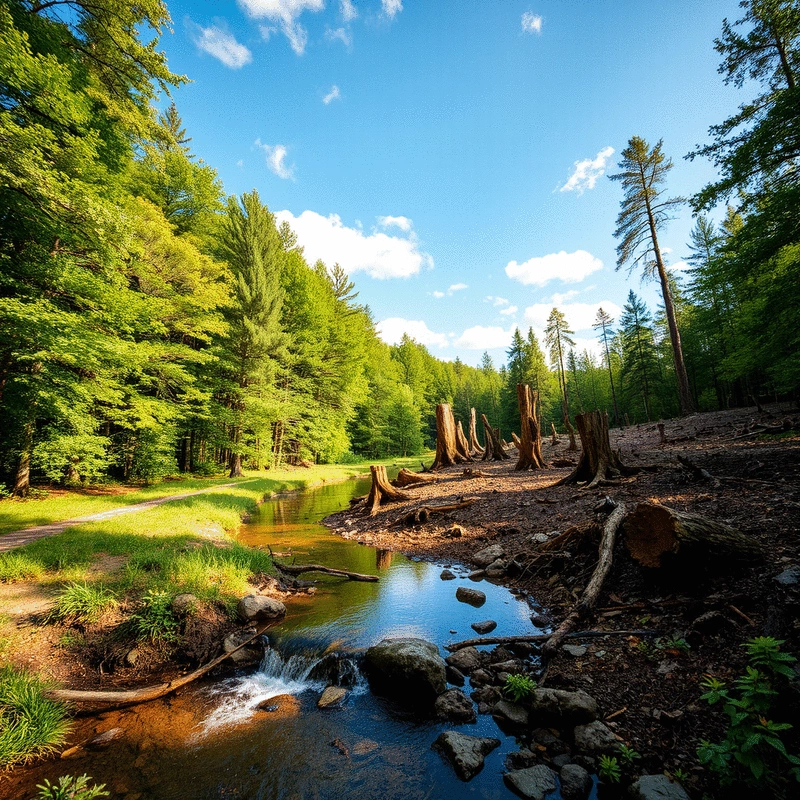
As the saying goes, "We do not inherit the earth from our ancestors; we borrow it from our children." This emphasizes the urgency of addressing deforestation, as its consequences ripple through our air and water quality, threatening the health of our planet and future generations.
What You Will Learn
- Deforestation leads to habitat destruction, soil degradation, and climate change, affecting biodiversity and ecosystem stability.
- Forests act as natural air filters, absorbing CO2 and releasing oxygen, making their preservation vital for maintaining air quality.
- The disruption of the water cycle due to deforestation can cause erratic rainfall patterns, increased erosion, and sediment runoff that harm aquatic ecosystems.
- Deforestation can lead to significant health risks, including respiratory issues from air pollution and waterborne diseases from contaminated water sources.
- The Amazon Rainforest exemplifies the global implications of deforestation, affecting climate regulation and biodiversity on an unprecedented scale.
- Sustainable practices such as reforestation and watershed management are critical strategies for mitigating the effects of deforestation and enhancing environmental health.
- Engagement with local communities and adherence to international agreements are essential steps in promoting awareness and action against deforestation.
Deforestation Impact on Air and Water Quality
Understanding the critical effects of deforestation is essential for fostering better environmental practices. Below is a visual representation highlighting the impact on air and water quality due to deforestation.
Air Quality Effects
- Increased CO2 emissions
- Reduction in oxygen output
- Rise in harmful pollutants: Methane, Nitrous oxide, PM2.5
Water Quality Effects
- Increased turbidity due to erosion
- Higher sediment runoff affecting aquatic life
- Groundwater depletion leading to resource scarcity
Health Risks from Poor Air Quality
- Respiratory diseases: Asthma, Chronic bronchitis
- Cardiovascular problems
- Increased vulnerability to infections
Health Risks from Contaminated Water
- Waterborne diseases: Cholera, Giardia, Typhoid fever
- Negative impacts on community health
The Effects of Deforestation on Air and Water Quality
Deforestation is a pressing issue that affects not just the environment but also our health and well-being. At Timber & Thrive, I believe it’s vital to understand how the loss of trees impacts the quality of air and water, two essential elements of life. When we remove forests, we disrupt natural processes that keep our planet healthy and balanced.
Understanding Deforestation and Its Environmental Significance
Deforestation refers to the large-scale removal of trees from forested areas. This can happen for various reasons, including agriculture, logging, and urban development. The consequences of deforestation are far-reaching, resulting in habitat destruction, soil degradation, and significant changes to our climate. For a deeper understanding of these localized effects, explore deforestation's effects on local ecosystems.
Defining Deforestation: Causes and Consequences
Some primary causes of deforestation include:
- Agricultural expansion
- Logging and timber extraction
- Infrastructure development
- Urbanization
These activities not only lead to the loss of trees but also create a ripple effect, disrupting ecosystems and threatening biodiversity.
Importance of Forests for Air and Water Quality
Forests play a crucial role in maintaining both air and water quality. They act as natural air filters, absorbing carbon dioxide and releasing oxygen. Additionally, they help regulate the water cycle, ensuring that we have clean water to drink and use. Without forests, we face challenges related to air pollution and water contamination.
The Role of Biodiversity in Ecosystem Services
Biodiversity is essential for the health of our ecosystems. A diverse range of plant and animal species contributes to the stability and resilience of an environment. When we lose forests, we also lose the unique species that inhabit them, diminishing the ecosystem services they provide:
- Pollination of crops and plants
- Natural pest control
- Soil fertility and erosion prevention
By recognizing the importance of biodiversity, we can take steps to protect our forests and promote sustainable tree care practices that support a healthier planet.
How Deforestation Disrupts the Water Cycle
Deforestation significantly alters the natural water cycle, leading to various negative impacts on rainfall patterns and hydrology. When trees are cut down, there’s less vegetation to absorb rainwater and release it slowly into the atmosphere, which can cause dramatic shifts in local weather patterns.
Impact on Rainfall Patterns and Hydrology
Forests contribute to the regulation of rainfall and the overall hydrological cycle. When they are removed:
- Rainfall becomes more erratic
- Dry seasons may become longer
- Flooding can occur more frequently
This disruption can have severe consequences for agriculture and freshwater availability.
Increased Erosion and Sediment Runoff
The removal of trees leaves soil vulnerable to erosion. Without roots to hold the soil in place, rain can wash away topsoil, causing:
- Loss of arable land
- Reduced agricultural productivity
- Increased sediment in rivers and streams
This sediment can harm aquatic ecosystems and affect water quality downstream.
Turbidity and Its Effect on Water Quality
Turbidity, or the cloudiness of water caused by suspended particles, can increase due to erosion and sediment runoff. High turbidity can:
- Block sunlight, affecting aquatic plants
- Harm fish and other wildlife
- Reduce the effectiveness of water treatment processes
By maintaining our forests, we can protect water quality and ensure healthier ecosystems.
Groundwater Depletion and Its Consequences
When deforestation occurs, groundwater levels can drop significantly. This depletion can lead to:
- Reduced water availability for communities and agriculture
- Increased competition for water resources
- Higher costs for water extraction and treatment
By promoting sustainable practices at Timber & Thrive, we can help combat these issues and work towards a healthier future for our water resources.
Air Quality Decline Due to Deforestation
Deforestation doesn’t just impact water; it also significantly affects air quality. Trees play a vital role in absorbing carbon dioxide (CO2) and releasing oxygen, which is essential for our survival.
Loss of Carbon Dioxide Absorption and Oxygen Release
Forests are often referred to as the lungs of our planet. When trees are cut down, we lose:
- Crucial CO2 absorption, leading to increased greenhouse gases
- Oxygen production, which can affect air quality
As a result, we may experience worsened air pollution and climate change effects.
Emissions of Harmful Pollutants: Methane, Nitrous Oxide, and PM2.5
Deforestation also contributes to the release of harmful pollutants such as:
- Methane (CH4)
- Nitrous oxide (N2O)
- Particulate matter (PM2.5)
These emissions can lead to poor air quality, affecting both the environment and human health.
Mercury Pollution Linked to Vegetation Loss
Interestingly, deforestation can also result in increased mercury pollution, as forests help to absorb and store mercury. When trees are removed, this toxic metal can be released into the environment, posing serious risks to both wildlife and humans.
Airborne Toxins and Their Impact on Health
Airborne toxins can have alarming effects on our health, leading to issues such as:
- Respiratory diseases
- Cardiovascular problems
- Increased vulnerability to infections
By taking action to protect our forests, we can help improve air quality and ultimately enhance public health.
Health Risks Associated with Poor Air and Water Quality
The decline in air and water quality due to deforestation brings serious health risks. When we breathe polluted air or consume contaminated water, our health is compromised.
Respiratory Issues Arising from Air Pollution
Prolonged exposure to polluted air can lead to a range of respiratory issues, including:
- Asthma
- Chronic bronchitis
- Reduced lung function
For vulnerable populations, such as children and the elderly, these effects can be even more severe.
Waterborne Diseases and Contaminated Water Risks
Contaminated water sources can lead to waterborne diseases such as:
- Cholera
- Giardia
- Typhoid fever
These diseases can have devastating impacts on communities, particularly in areas without adequate healthcare.
Impact of Environmental Degradation on Human Health
As we witness environmental degradation from deforestation, we also see a rise in health issues. Poor air and water quality can contribute to a range of problems, making it crucial for us to take steps to protect our forests and the health of our communities.
Real-World Examples: The Amazon Rainforest
The Amazon Rainforest serves as a powerful example of how deforestation impacts air and water quality on a global scale. Known as the "lungs of the Earth," the Amazon plays a critical role in regulating climate and supporting biodiversity.
The Amazon's Role in Global Air and Water Quality
The Amazon Rainforest helps maintain the Earth's climate by:
- Absorbing vast amounts of CO2
- Releasing oxygen
- Regulating rainfall patterns
As deforestation continues, these vital functions are at risk, threatening both local and global ecosystems.
Projected Tipping Points and Future Implications
Experts warn that the Amazon may reach a tipping point where the loss of forest cover could lead to irreversible damage. This could result in:
- Increased drought and wildfires
- Loss of biodiversity
- Severe impacts on global weather patterns
Addressing these issues is critical for our planet's health.
Deforestation Rates and Their Impact on Rainforest Ecosystems
The alarming rates of deforestation in the Amazon highlight the urgency of this situation. Each year, thousands of acres are lost, leading to:
- Habitat destruction for countless species
- Disruption of indigenous communities’ livelihoods
- Negative effects on global air and water quality
By raising awareness and promoting sustainable practices, we can help protect this vital ecosystem.
Addressing Content Gaps: Regional Impacts and Restoration Solutions
While the global implications of deforestation are significant, we also need to consider regional impacts. Urban areas often face unique challenges related to deforestation, which can exacerbate air and water quality issues.
Urban Deforestation Effects on Air and Water Quality
Urban deforestation can lead to serious problems, such as:
- Increased heat islands that raise temperatures
- Higher levels of air pollution
- Reduced stormwater management and increased flooding
Addressing these issues requires a collective effort from communities and policymakers.
Policy Interventions and Global Agreements: Minamata Convention
International agreements, like the Minamata Convention, aim to tackle issues related to mercury pollution and promote sustainable practices. Such policies are essential for protecting both local environments and global health.
Reforestation and Afforestation as Mitigation Strategies
One effective way to combat the effects of deforestation is through reforestation and afforestation efforts. By planting trees in deforested areas and restoring natural habitats, we can:
- Improve air quality
- Enhance water retention
- Support biodiversity
At Timber & Thrive, we believe these initiatives are crucial for creating a sustainable future. Learn more about nurturing trees for healthier growth through proper care.
Watershed Management for Improved Water Quality
Implementing effective watershed management practices can greatly enhance water quality. This includes:
- Protecting riparian zones to filter pollutants
- Implementing sustainable land use practices
- Promoting community involvement in conservation efforts
By fostering a sense of stewardship, we can work together to improve the health of our water sources and ecosystems.
Pro Tip
Did you know? Engaging in local reforestation efforts not only supports biodiversity but also enhances community resilience against climate change. Consider joining or organizing tree-planting events in your area. Every tree planted contributes to cleaner air and improved water quality!
Recognizing the Urgency of Addressing Deforestation Impacts
As we stand at a pivotal moment in environmental history, it’s clear that the impacts of deforestation are both urgent and far-reaching. At Timber & Thrive, we believe that acknowledging these effects is the first step toward meaningful action. By understanding how our choices affect air and water quality, we can inspire change within our communities!
One effective way to engage others in this conversation is through visual data. Infographics that showcase statistics on mercury levels and PM2.5 pollution can be particularly eye-opening. These images highlight the stark reality of how deforestation compromises our natural resources and public health, making the information more accessible and memorable.
Engagement Factors and Recommendations for Action
To deepen our understanding of deforestation's impact, we can utilize interactive maps. These tools not only demonstrate the extent of deforestation but also show how these changes correlate with local air and water quality. Imagine exploring a map that reveals the declining health of your nearby forest and its ripple effects on community health!
- Engage with local environmental organizations to spread awareness.
- Attend workshops focused on sustainable practices and tree care.
- Share infographics and interactive maps on social media to reach a wider audience.
Frequently Asked Questions About Deforestation's Impact
Many people have questions about deforestation, and it’s essential to address these concerns to foster understanding. One common question is, “Does deforestation cause droughts and floods?” The answer is yes! When trees are removed, the balance of the ecosystem is disrupted, leading to unpredictable weather patterns.
Another question is, “What measures can be taken to restore affected areas?” Reforestation is a key strategy. By planting native trees and engaging in community-driven restoration projects, we can begin to heal our environment. At Timber & Thrive, we encourage local involvement in such initiatives!
- Participate in local tree-planting events.
- Educate yourself on the importance of preserving native species.
- Advocate for policies that support reforestation efforts.
Concluding Thoughts on the Importance of Forest Conservation
As we reflect on the crucial role that forests play in maintaining air and water quality, it becomes clear that conservation is essential. We must embrace sustainable practices that protect our trees, as they are vital for a healthy planet. What steps can you take to contribute?
It's time for us to act! By protecting our forests today, we safeguard the future for generations to come. Join me and the Timber & Thrive community in fostering a culture of awareness and action. Together, we can make a difference—one tree at a time! You can also discover more about sustainable solutions for deforestation to further your impact.
Recap of Key Points
Here is a quick recap of the important points discussed in the article:
- Deforestation is a significant environmental issue, driven by agricultural expansion, logging, urbanization, and infrastructure development.
- Forests are vital for maintaining air and water quality, acting as natural filters that absorb CO2 and regulate the water cycle.
- Biodiversity loss due to deforestation undermines ecosystem services such as pollination, pest control, and soil fertility.
- The disruption of the water cycle from deforestation leads to erratic rainfall, increased flooding, and soil erosion.
- Air quality suffers from deforestation, with significant increases in greenhouse gases and harmful pollutants impacting human health.
- Health risks linked to deforestation include respiratory diseases from air pollution and waterborne diseases from contaminated water sources.
- Reforestation and effective watershed management are crucial strategies for mitigating the adverse effects of deforestation.
- Community engagement and policy interventions are essential for promoting sustainable practices and protecting our forests.
Frequently Asked Questions (FAQs)
Here are some frequently asked questions about the impact of deforestation on air and water quality:
- What are the main causes of deforestation?
Deforestation is primarily caused by agricultural expansion, logging and timber extraction, infrastructure development (like roads and dams), and urbanization. These activities lead to the removal of vast forested areas. - How do forests contribute to air quality?
Forests act as natural air filters. They absorb carbon dioxide (CO2) from the atmosphere, a major greenhouse gas, and release oxygen through photosynthesis. This process helps regulate the Earth's climate and maintains breathable air. - What is the impact of deforestation on the water cycle?
Deforestation disrupts the natural water cycle by reducing the amount of vegetation that can absorb rainwater and release it slowly. This can lead to more erratic rainfall, longer dry seasons, increased flooding, and higher rates of soil erosion and sediment runoff into water bodies. - What health risks are associated with poor air and water quality due to deforestation?
Poor air quality can lead to respiratory issues such as asthma, chronic bronchitis, and reduced lung function, as well as cardiovascular problems. Contaminated water sources can cause waterborne diseases like cholera, giardiasis, and typhoid fever, especially in communities with inadequate healthcare. - What measures can be taken to mitigate the effects of deforestation?
Key mitigation strategies include reforestation (replanting trees in deforested areas), afforestation (planting trees in areas that were not previously forested), and effective watershed management. Policy interventions, international agreements, and community engagement are also crucial for promoting sustainable practices and protecting forests. - How does the Amazon Rainforest exemplify the global impact of deforestation?
The Amazon, often called the "lungs of the Earth," is vital for global climate regulation and biodiversity. Deforestation there leads to massive CO2 release, altered rainfall patterns, and significant loss of species, impacting not just South America but global weather patterns and environmental health.

Celia Greenwood
Celia Greenwood is a dedicated environmentalist and tree care expert with a passion for promoting sustainable practices. With years of experience in eco-friendly planting and tree preservation, Celia aims to educate and inspire others to embrace environmentally conscious choices. Her mission is to foster a community that values trees as vital components of our ecosystem, ensuring a greener future for generations to come.