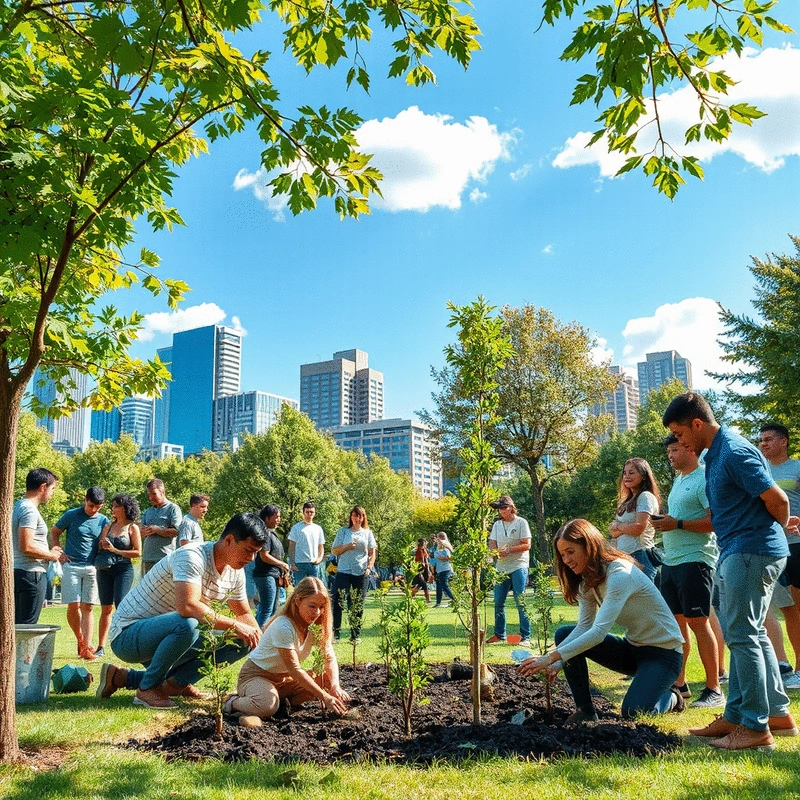
Improved Air Quality
Trees filter pollutants and produce oxygen, enhancing the air quality in urban areas.
Urban spaces are rapidly evolving, with green initiatives becoming vital for healthier cities. A well-planned urban reforestation strategy can transform communities and enhance the environment. What can you do to be part of this green movement?
Urban reforestation offers various benefits that significantly enhance our urban environments, as detailed below:
Trees filter pollutants and produce oxygen, enhancing the air quality in urban areas.
Tree canopies cool urban areas, helping to reduce the heat island effect.
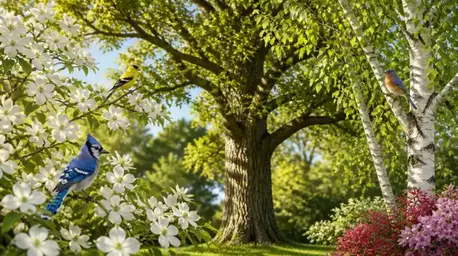
A diverse range of plants attracts various wildlife, enhancing urban ecosystems.
Green areas encourage social interactions and provide recreational opportunities.
Urban reforestation is a vital part of our efforts to make cities more livable and sustainable. But what does it really mean? Essentially, urban reforestation involves planting trees and restoring green spaces in urban areas. This practice is crucial for addressing environmental challenges, enhancing community well-being, and promoting biodiversity. As someone who cares deeply about the environment, I believe that each tree planted can create a ripple effect that benefits both people and nature.
The benefits of urban reforestation are numerous and impactful. Firstly, trees help improve air quality by absorbing pollutants and providing us with fresh oxygen. They not only beautify our neighborhoods but also offer shade, which can reduce the heat in urban areas. Furthermore, green spaces contribute to mental health and physical well-being by providing spaces for relaxation and recreation. Through my work at Timber & Thrive, I've seen how engaged communities can transform their environments and foster a sense of pride and connection. For more insights on maintaining healthy green spaces, consider exploring our tips on nurturing trees for healthier growth.
Urban reforestation is not just about planting trees; it's about creating a sustainable framework for healthier cities. This includes understanding the context in which we plant. For instance, we should consider the local ecosystem and the needs of the community. By assessing what species thrive in urban settings, we can ensure that our efforts are effective and beneficial.
Here are some key benefits of urban reforestation:
When we plant trees in urban environments, we are making decisions that lead to healthier ecosystems and vibrant communities. This is a concept that we at Timber & Thrive wholeheartedly believe in, as it aligns with our mission of promoting responsible tree care and conservation.
Urban tree planting plays a significant role in advancing environmental justice. Often, underserved neighborhoods lack green spaces, which can exacerbate social inequalities. By focusing our reforestation efforts in these areas, we can help to level the playing field and provide essential resources that contribute to community health and well-being.
Here are some ways urban tree planting contributes to environmental justice:
By prioritizing urban tree planting in disadvantaged areas, we empower communities to advocate for their needs. This approach not only fosters health and well-being but also strengthens community bonds. It’s exhilarating to see how planting a single tree can spark a movement toward equity! Learn more about starting a community tree project in your area.
Urban forestry is a vital component of sustainability in our cities. It encompasses the management and care of trees, forests, and green spaces within urban areas. This discipline not only focuses on the trees themselves but also on the environmental, social, and economic benefits they provide.
Key aspects of urban forestry include:
At Timber & Thrive, we recognize that a sustainable approach to urban forestry can lead to more resilient cities. By investing in our green spaces, we are investing in our future. It’s exciting to think about how every tree planted contributes to a thriving urban ecosystem!
Tree canopy cover is a critical factor in the health of urban ecosystems. It refers to the layer of leaves, branches, and stems of trees that cover the ground when viewed from above. This canopy plays a crucial role in regulating temperature, improving air quality, and providing habitat for wildlife.
Some important benefits of tree canopy cover include:
As someone who believes in the power of trees, I’m passionate about increasing tree canopy cover in urban areas. Each tree adds to the tapestry of our environment, creating a healthier, more vibrant community for all. Let’s work together to ensure our cities are green and thriving for generations to come!
Here's a brief recap of the key points discussed so far:
Here are some common questions about urban reforestation and its benefits:
Understanding the impact of urban reforestation is crucial for ensuring the longevity and effectiveness of our green spaces. When we plant trees in our cities, we want to see tangible benefits, right? That's where measuring impacts comes into play. It helps us validate our efforts and inspires more communities to take action!
One important aspect of measuring impact is calculating the return on investment (ROI) and the economic benefits that urban trees provide. For instance, trees can increase property values, reduce energy costs, and even improve overall community health. This makes it essential to share these findings to gain support from local governments and residents alike. For more on the economic advantages, check out urban forestry benefits for residents.
When we think about the economic advantages of urban trees, it’s easy to see why they are so valuable. Trees not only beautify our neighborhoods but also offer financial returns that can be measured. Here are a few key benefits to consider:
By articulating these benefits, we can demonstrate the overall value of our reforestation efforts. This kind of data is not just numbers; it’s a way to show community members how trees impact their daily lives, encouraging more people to get involved!
When measuring the success of urban reforestation, it’s important to track both tree health and community engagement. After all, a thriving community is part of nurturing a healthy urban forest. Here are some metrics you might consider:
At Timber & Thrive, we believe that engaging the community in caring for trees is just as important as planting them. By establishing these metrics, we can create a culture of stewardship that lasts for generations!
One of the most immediate benefits of urban trees is their ability to improve air quality. Trees act as natural air filters, absorbing pollutants and releasing oxygen. To measure this impact, we can use various methods, such as:
With these assessments, we can showcase the positive environmental effects that trees provide, reinforcing the need for ongoing reforestation efforts. It inspires more community members to cherish and protect our green spaces, ensuring they flourish for years to come!
As we turn our focus towards getting involved in urban reforestation, it’s essential to connect with local organizations and programs that promote tree planting. By working together, we amplify our impact and spread awareness about the importance of trees in our urban environments.
Consider reaching out to nearby groups or volunteering at local events. Each effort, no matter how small, contributes to the larger mission of fostering a greener future! Let's see how we can take action today.
There are many ways to get involved in urban reforestation efforts. Here are some organizations and initiatives to consider:
Connecting with these organizations not only strengthens your impact but also builds relationships with like-minded individuals who share your passion for sustainability! For instance, understanding soil health for sustainable tree planting is often a key focus for many such groups.
To support community organizers, it's helpful to have templates and checklists readily available. These resources can streamline efforts and ensure that everyone is on the same page. Consider creating:
These tools can make a world of difference in organizing successful initiatives. At Timber & Thrive, we’re always looking to share knowledge and resources to foster active participation in urban reforestation!
One of the most effective ways to promote urban reforestation is by engaging in environmental education. This can inspire individuals to take action and spread awareness about the significance of trees. Here are some ideas to consider:
By prioritizing education, we cultivate a community that values trees as essential components of our environment. Together, we can shift perceptions and inspire more people to join the movement!
As we wrap up our discussion on urban reforestation, it’s clear that this initiative is more than just planting trees. It’s about creating vibrant, sustainable, and engaged communities. I hope you’ve gained insights that inspire you to consider how you can contribute to this important work.
Remember, whether it’s a small garden in your backyard or a community-wide planting event, every effort counts! Let's champion our urban forests and advocate for continued action in our neighborhoods. You can also learn more about sustainable tree care practices to ensure the long-term health of urban trees.
Here is a quick recap of the important points discussed in the article:
Celia Greenwood is a dedicated environmentalist and tree care expert with a passion for promoting sustainable practices. With years of experience in eco-friendly planting and tree preservation, Celia aims to educate and inspire others to embrace environmentally conscious choices. Her mission is to foster a community that values trees as vital components of our ecosystem, ensuring a greener future for generations to come.