Increased Runoff
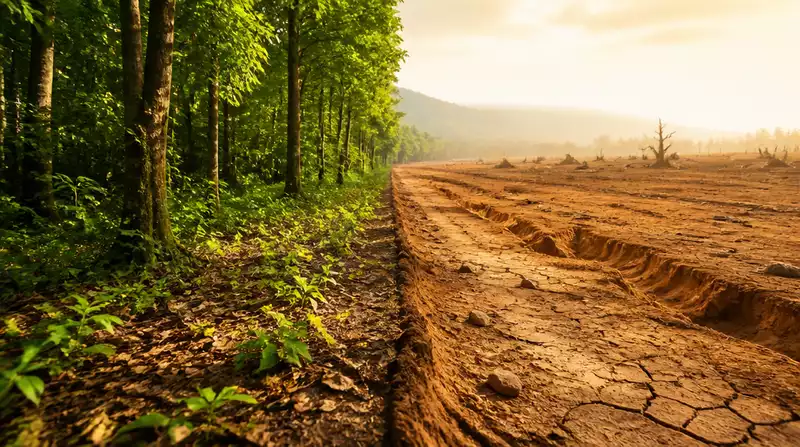
Without tree cover, rainfall hits the ground directly, leading to more surface runoff and soil displacement.
The intricate relationship between deforestation and soil erosion is a critical issue that affects our environment. As advocates for sustainable practices, we must understand how these two phenomena interact and impact our ecosystems. Are you ready to learn how your actions can contribute to a healthier planet?
Understanding the key processes that link deforestation to soil erosion is essential for promoting sustainable tree care practices.
Without tree cover, rainfall hits the ground directly, leading to more surface runoff and soil displacement.
Exposed soil is more vulnerable to being blown away by the wind, especially in dry conditions.
The absence of trees reduces water absorption, leading to saturated soil that easily washes away.
As soil erodes, it loses fertility, making it harder for new vegetation to grow, perpetuating the cycle of degradation.
Deforestation and soil erosion are two critical issues that intertwine and affect our environment profoundly. Deforestation refers to the large-scale removal of trees from forests, often for agricultural, urban, or commercial purposes. On the other hand, soil erosion is the process by which the top layer of soil is worn away, often exacerbated by human activities. Understanding these terms is essential as they influence soil health, biodiversity, and the overall health of our planet.
In the context of environmental science, the significance of these terms cannot be overstated. Deforestation not only impacts the trees that are cut down but also has a domino effect on the surrounding ecosystem. As an advocate for sustainable practices at Timber & Thrive, I believe it’s crucial to educate ourselves and others about the consequences of these actions. When we grasp the full impact of deforestation and soil erosion, we can take meaningful steps toward protecting our environment.
To truly understand the relationship between deforestation and soil erosion, let’s break down their definitions. Deforestation involves the clearing of forested areas, leading to habitat loss, decreased biodiversity, and increased greenhouse gas emissions. In contrast, soil erosion involves the displacement of the soil's top layer, which is rich in nutrients and vital for plant growth.
This link is significant because when trees are removed, the soil becomes increasingly vulnerable to the elements. Without tree roots to anchor the soil, rain and wind can easily wash or blow it away. It’s like a protective blanket being ripped off the earth, exposing it to harsh conditions. So, how does this happen? Let’s look closer at deforestation's effects on local ecosystems!
Deforestation significantly contributes to soil erosion through several physical processes. When trees are cut down, their roots, which help hold the soil in place, are removed. This loss of stabilization leads to increased soil movement and degradation. Here are a few key processes to consider:
These processes create a vicious cycle; as soil erodes, it loses its fertility, making it harder for new vegetation to grow. This is a significant concern for ecological health, which is why at Timber & Thrive, we emphasize the importance of sustainable practices that protect our forests and soil. You can learn more about nurturing trees for healthier growth to support these efforts.
The repercussions of deforestation on soil quality and overall ecosystem health are profound. With the loss of trees, not only does soil erosion become rampant, but we also experience a decline in soil fertility. Trees contribute essential nutrients to the soil, and their removal disrupts this natural cycle.
It's time to reflect on the broader implications of these actions. As a community dedicated to environmental stewardship, we must consider how our choices today will impact future generations. By understanding the intricate relationship between deforestation and soil erosion, we can inspire action and foster a culture that values sustainable practices. Are you ready to take a step toward a greener future?
Did you know? Implementing agroforestry practices can significantly reduce soil erosion while enhancing biodiversity. By integrating trees into agricultural landscapes, farmers can not only protect soil health but also improve crop yields and create a more resilient ecosystem.
As we draw our exploration to a close, it's clear that the connection between deforestation and soil erosion is both profound and critical. Trees play a vital role in holding soil in place, providing not just stability but also nurturing the essential nutrients that sustain life. By removing tree cover, we expose soil to the elements, increasing the risk of erosion and jeopardizing the health of our ecosystems.
The physical processes we've discussed—how deforestation leads to increased runoff and topsoil loss—serve as a reminder of why we must prioritize the preservation of our forests. With every tree that falls, we lose not only a vital resource but also a protective barrier for the soil beneath it. As a community committed to sustainability, Timber & Thrive believes we can turn this tide by advocating for responsible practices and fostering connections with nature.
We all have a role to play in combating the damaging effects of deforestation and soil erosion. Every action counts, whether it’s planting a tree, supporting local conservation initiatives, or simply spreading awareness about these pressing issues. Here are some steps you can take to promote sustainability:
By taking these steps, we can collectively foster a healthier planet. At Timber & Thrive, we believe that each of us has the power to inspire change, and together, we can create a greener future for generations to come! Remember, supporting local actions against deforestation is crucial.
To further clarify this important topic, let’s address some common questions regarding deforestation and soil erosion:
Timber & Thrive is here to support and guide you on this journey. By staying informed and taking action, we can collectively address the challenges of deforestation and soil erosion, creating a more sustainable world for all! Let’s work together to nurture our planet and protect the precious resources we have!
Here is a quick recap of the important points discussed in the article:
Celia Greenwood is a dedicated environmentalist and tree care expert with a passion for promoting sustainable practices. With years of experience in eco-friendly planting and tree preservation, Celia aims to educate and inspire others to embrace environmentally conscious choices. Her mission is to foster a community that values trees as vital components of our ecosystem, ensuring a greener future for generations to come.