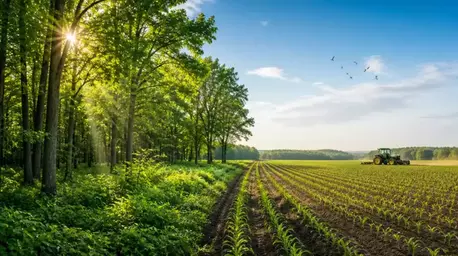
Improved Wildlife Movement
Corridors enable animals to migrate freely between habitats, ensuring access to resources.
Forest corridors are not just strips of land; they are the lifeblood of wildlife survival. As urbanization continues to fragment natural habitats, understanding the essential role these corridors play is critical for maintaining biodiversity and ecological health. What if we could create pathways that not only allow wildlife to thrive but also enrich our own communities?
Forest corridors play a pivotal role in supporting wildlife and maintaining ecological balance. Below are the key benefits summarized for easy visual reference.
Corridors enable animals to migrate freely between habitats, ensuring access to resources.
By connecting fragmented populations, corridors help reduce inbreeding and bolster species resilience.
Forest corridors play a crucial role in pollination, seed dispersal, and nutrient cycling.
They support wildlife adaptation strategies to cope with climate change impacts.
As we dive into the world of wildlife conservation, it’s essential to understand the significance of forest corridors in our ecosystems. These natural pathways connect fragmented habitats, allowing animals to move freely and safely between different areas. At Timber & Thrive, we recognize how crucial these corridors are for the survival of species that depend on diverse landscapes, much like understanding the larger effects of deforestation on local ecosystems.
Forest corridors not only enhance habitat connectivity but also play a vital role in strengthening the resilience of wildlife populations. Have you ever considered how a wandering deer or a migrating bird uses these corridors to find food, mates, or shelter? By maintaining and creating these green pathways, we can support the rich biodiversity that thrives in our forests.
So, what exactly are forest corridors? Simply put, they are strips of natural habitat that connect isolated patches of forest. This connection is essential for wildlife, enabling them to move safely across the landscape. Without these corridors, many species would struggle to survive, leading to a decline in biodiversity.
Creating a network of forest corridors is crucial for habitat connectivity. This network allows animals to explore new territories and find resources. It's a bit like having a bridge that connects two islands—without it, the wildlife on either side can become isolated, facing challenges like inbreeding and diminished food sources.
One of the most significant impacts of habitat connectivity is its role in supporting wildlife populations. For example, when animals can move between suitable habitats, they are less prone to inbreeding, which can weaken their genetic diversity. At Timber & Thrive, I often reflect on how these connections enable creatures to thrive, ensuring that future generations will continue to roam our forests, a philosophy similar to nurturing trees for healthier growth.
Imagine a family of foxes needing to find food in different areas. If a forest corridor is available, they can easily traverse the landscape without fear of obstacles like roads or urban developments. This connectivity is crucial not just for their survival, but for maintaining the overall health of our ecosystems!
With the rise of urbanization and agriculture, many natural habitats are becoming fragmented. This fragmentation poses serious threats to wildlife, making it harder for them to find mates and resources. Thankfully, forest corridors act as lifelines, bridging gaps between these fragmented patches.
By facilitating movement, forest corridors help combat the downsides of habitat fragmentation. These corridors can be designed to fit various landscapes, whether they’re alongside highways or through agricultural land. Here are some benefits of combatting fragmentation:
Wildlife corridors serve several important ecological functions that help maintain the health of our planet. They are not just pathways; they are vital for the survival of many species. Corridors facilitate species migration, support genetic diversity, and enhance biodiversity recovery in fragmented ecosystems, making them indispensable.
Take a moment to visualize the vibrant life that exists along one of these corridors! From tiny insects to majestic deer, the potential for thriving wildlife is immense when we prioritize the creation and maintenance of these connections.
Here's a brief recap of the key points discussed so far:
Forest corridors are strips of natural habitat that connect isolated patches of forest, enabling wildlife to move safely between different areas.
They are crucial for improved wildlife movement, increased genetic diversity by reducing inbreeding, enhanced ecosystem services (like pollination and seed dispersal), and climate resilience, helping animals adapt to environmental changes.
Forest corridors act as lifelines, bridging gaps between habitats fragmented by urbanization and agriculture, thus providing safe routes for animals to find mates and resources.
They facilitate species migration, support genetic diversity, and enhance biodiversity recovery in fragmented ecosystems, playing a vital role in maintaining planetary health.
Communities can engage with local conservation groups, participate in tree planting events, educate others about the importance of corridors, and advocate for sustainable practices and green infrastructure in urban planning.
As we wrap up our exploration of forest corridors, it’s clear that these ecological lifelines are vital for wildlife conservation. They serve as essential links, allowing animals to navigate their habitats, find food, and reproduce. At Timber & Thrive, we believe that understanding their importance is key to fostering a more sustainable future for both wildlife and our ecosystems!
Forest corridors not only support individual species but also strengthen the overall health of our planet's biodiversity. By enhancing habitat connectivity, these corridors allow various species to thrive and help maintain ecological balance. So, what can we take away from our discussion on the significance of these green pathways?
These points highlight just how crucial forest corridors are in maintaining a rich tapestry of life. By ensuring these ecological links remain intact, we can not only protect wildlife but also enjoy the benefits these ecosystems provide. Together, we can advocate for policies that promote the creation and preservation of these vital pathways!
Ready to make a difference? Here’s a handy checklist to guide you in supporting forest corridor initiatives in your community:
Every small step counts! When we come together as a community, we can create a significant impact on local wildlife protection and conservation efforts. Not only does this foster a sense of belonging, but it also nurtures the planet for future generations! Consider how starting a community tree project can contribute to this effort.
Creating a culture of conservation starts with community engagement. Have you thought about how your local community can take action? By organizing or participating in events, such as clean-up days or workshops, you can inspire others to get involved. Together, we can amplify our voices and drive positive change for our environment!
As we advocate for forest corridors, it’s important to consider how urban planning can incorporate green infrastructure. This involves designing cities and towns that integrate natural elements, like parks and green roofs, which serve as extensions of forest corridors. When we prioritize sustainability in development, we create spaces that benefit both people and wildlife alike! For more on this, explore sustainable urban tree care tips.
So, what's the next step you’ll take today? Whether it’s volunteering, spreading the word, or simply becoming more aware of your local environment, every action contributes to the bigger picture. At Timber & Thrive, we’re passionate about fostering a community dedicated to making informed choices for a healthier planet. Let’s thrive together—one corridor, one tree at a time!
Here is a quick recap of the important points discussed in the article:
Celia Greenwood is a dedicated environmentalist and tree care expert with a passion for promoting sustainable practices. With years of experience in eco-friendly planting and tree preservation, Celia aims to educate and inspire others to embrace environmentally conscious choices. Her mission is to foster a community that values trees as vital components of our ecosystem, ensuring a greener future for generations to come.