Trees as Natural Wind Barriers
The benefits of planting trees extend far beyond aesthetics; they play a crucial role in protecting our landscapes from the damaging effects of wind. By understanding the significance of natural windbreaks, we can foster healthier ecosystems and promote sustainable practices.
What You Will Learn
- Natural Windbreak Benefits: Windbreaks can reduce wind speed by up to 80%, protecting crops, conserving moisture, and improving soil quality.
- Environmental Adaptability: Different settings such as agricultural fields, suburban areas, and urban landscapes benefit uniquely from windbreaks.
- Shelterbelt Advantages: These extensive windbreaks enhance crop yields, provide wildlife corridors, and contribute to climate resilience.
- Design Principles: Effective windbreaks require careful consideration of orientation, density, and height to maximize protection.
- Species Selection: Choosing a mix of native trees and shrubs enhances biodiversity and improves ecological benefits, making your windbreak more effective.
Key Benefits of Natural Windbreaks
Natural windbreaks provide various advantages across different environments. Below are the key benefits represented visually.
Soil Protection
Prevents soil erosion by reducing wind impact on loose soil.
Microclimate Creation
Provides shade and moderates temperature fluctuations.
Wildlife Habitat
Serves as vital habitats for birds and beneficial insects.
Increased Crop Yields
Protects crops from harsh winds, leading to better productivity.
Understanding the Importance of Natural Wind Protection through Tree Planting
Have you ever felt the power of the wind whipping through your hair? It can be both refreshing and, at times, a little overwhelming! That’s where natural windbreaks come into play, offering shelter and protection for various landscapes, crops, and even livestock. By strategically planting trees, we can create barriers that modify the wind's speed and direction, creating a more hospitable environment for our cherished plants and animals.
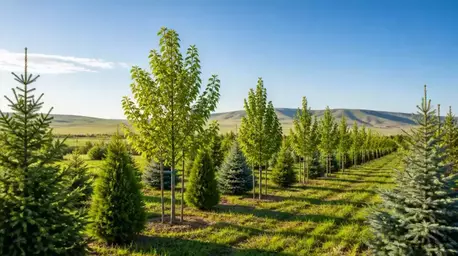
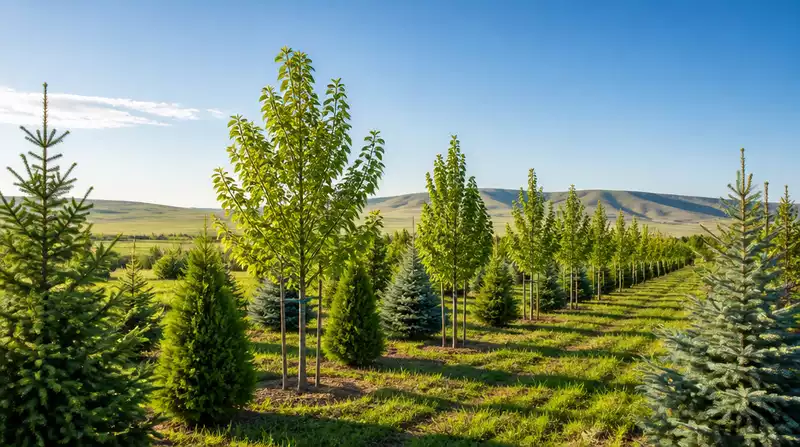
Natural windbreaks are essentially rows of trees or shrubs that form a protective barrier against harsh winds. These green barriers can significantly reduce wind speed by up to 80%, leading to a multitude of benefits for agricultural and residential areas. Not only do they protect crops from wind damage, but they also help in conserving moisture, improving soil quality, and enhancing biodiversity. For more insights on caring for your trees, explore our guide on nurturing trees for healthier growth.
Defining Natural Windbreaks and Their Benefits
Let’s dive deeper into what makes natural windbreaks so special! They are designed to intercept wind currents while promoting a balanced ecosystem. Here are some key benefits of implementing natural windbreaks:
- Soil Protection: Windbreaks help prevent soil erosion by reducing the wind's impact on loose soil.
- Microclimate Creation: They contribute to creating a favorable microclimate by providing shade and moderating temperature fluctuations.
- Wildlife Habitat: Windbreaks serve as vital habitats for birds and beneficial insects, promoting biodiversity.
By incorporating natural windbreaks into our landscapes, we can foster a healthier environment for both ourselves and the wildlife around us. It’s about creating a harmonious balance in nature that reflects our commitment to sustainability at Timber & Thrive.
Identifying the Need for Windbreaks in Different Environments
Now that we know what natural windbreaks are, let’s explore where they are most needed! Different environments—be it agricultural fields, suburban neighborhoods, or urban settings—benefit from these protective green barriers in unique ways. Here are some examples:
- Agricultural Fields: Windbreaks shield crops from damaging winds that can lead to productivity loss.
- Suburban Areas: Homeowners can use windbreaks to protect their gardens and add aesthetic value to their properties.
- Urban Landscapes: Cities benefit from windbreaks as they help reduce air pollution and provide cleaner, cooler air.
Understanding the significance of windbreaks in these varied settings is essential. By planting trees in the right places, we can boost biodiversity and enhance carbon storage. Imagine a suburban neighborhood flourishing with trees that not only beautify the area but also create a lively habitat for local wildlife! This also helps in mitigating deforestation's effects on local ecosystems.
Role of Shelterbelts in Wind Protection
One particular type of windbreak worth mentioning is the shelterbelt. These are often more extensive than typical windbreaks, consisting of multiple rows of trees and shrubs specifically designed to provide maximum wind protection. Shelterbelts play a crucial role in agricultural settings, offering a myriad of additional benefits:
- Enhanced Crop Yields: By protecting crops from harsh winds, shelterbelts can lead to increased yields.
- Wildlife Corridors: They serve as corridors for wildlife, allowing species to thrive in and around agricultural areas.
- Climate Resilience: Shelterbelts contribute to climate resilience by capturing carbon and improving air quality.
At Timber & Thrive, we believe that every tree planted contributes to a healthier ecosystem, especially when it comes to forming effective shelterbelts. Whether you’re a farmer or a homeowner, understanding the role of these wind protection strategies can empower you to make informed choices in your landscaping efforts.
Quick Summary
Here's a brief recap of the key points discussed so far:
- Natural Windbreaks: Rows of trees or shrubs that reduce wind speed by up to 80% and provide numerous ecological benefits.
- Importance of Shelterbelts: Extensive windbreaks that enhance crop yields, serve as wildlife corridors, and contribute to climate resilience.
- Design Principles: Key factors such as orientation, density, and height are crucial for maximizing the effectiveness of windbreaks.
Essential Principles for Designing Effective Windbreaks
When it comes to creating effective windbreaks, understanding design principles is crucial. These principles guide us in maximizing the protection that windbreaks provide. Key factors include the orientation of the windbreaks to prevailing winds, their density, and the appropriate height of the trees and shrubs used. By considering these elements, we can ensure that our windbreaks are not only functional but also contribute positively to the surrounding environment.
Key Factors in Windbreak Design: Orientation, Density, and Height
Let’s break down the essential factors for designing a successful windbreak:
- Orientation: Position your windbreaks parallel to the direction of the prevailing winds to maximize their effectiveness.
- Density: A mixture of dense and sparse areas can create a more effective barrier against the wind, allowing for proper airflow.
- Height: Taller trees can disrupt wind patterns more effectively, but it’s important to balance height with the surrounding landscape to avoid shading issues.
Each of these factors plays a vital role in how well your windbreak will perform. For instance, a well-oriented windbreak will create a sheltered area behind it that can protect crops and gardens, making it easier for plants to thrive. As someone who cares deeply about sustainable practices, I find it rewarding to think about how well-designed windbreaks can contribute to healthier ecosystems. Discover more about sustainable tree care practices to further enhance your landscaping efforts.
Choosing the Right Trees and Shrubs for Windbreaks
Selecting the right trees and shrubs is another key principle in creating effective windbreaks. When choosing species, consider these tips:
- Diversity: Include a mix of deciduous and coniferous species to enhance biodiversity.
- Local Climate: Opt for species that are well-adapted to your local climate and soil conditions.
- Ecological Benefits: Choose plants that provide habitat for wildlife and improve soil health.
By carefully selecting a combination of plants, not only do we enhance the windbreak’s effectiveness, but we also support local ecosystems. It’s a wonderful way to create a more balanced environment while addressing the issue of wind protection. At Timber & Thrive, I often emphasize the importance of native species because they are typically more resilient and beneficial to local wildlife!
Tree Species Selection for Optimal Windbreak Performance
Choosing native trees for your windbreak is one of the best decisions you can make. Native species not only adapt better to local conditions but also provide numerous advantages:
- Biodiversity Support: Native trees attract local insects, birds, and other wildlife, fostering a vibrant ecosystem.
- Soil Improvement: These trees often have deep root systems that enhance soil health and prevent erosion.
- Climate Resilience: Native species are generally more resilient to local pests and diseases.
By selecting trees native to your area, you’re ensuring a sustainable approach to windbreak establishment. It’s like inviting nature to participate in the process! Plus, seeing the positive impact of planting local trees can be incredibly gratifying. Remember, every choice you make in tree selection can help us create a greener future, one windbreak at a time! Learn more about choosing native trees for planting in your region.
Frequently Asked Questions About Natural Windbreaks
What is a natural windbreak?
A natural windbreak is a strategic planting of trees or shrubs that forms a protective barrier against harsh winds, significantly reducing wind speed and its damaging effects on landscapes, crops, and livestock.
How much can natural windbreaks reduce wind speed?
Natural windbreaks can reduce wind speed by up to 80%, providing substantial protection for agricultural fields, gardens, and residential areas.
What are the key benefits of natural windbreaks?
Key benefits include soil protection (preventing erosion), microclimate creation (providing shade and moderating temperatures), wildlife habitat provision, and increased crop yields due to protection from harsh winds.
What is a shelterbelt?
A shelterbelt is an extensive type of windbreak, typically consisting of multiple rows of trees and shrubs, designed to provide maximum wind protection, enhance crop yields, create wildlife corridors, and contribute to climate resilience.
What are the essential design principles for effective windbreaks?
Effective windbreak design involves considering orientation (parallel to prevailing winds), density (a mix of dense and sparse areas), and height (taller trees for better wind disruption, balanced with the landscape) to maximize protection and functionality.
Why should I choose native trees for my windbreak?
Native trees are well-adapted to local conditions, support biodiversity by attracting local wildlife, improve soil health with deep root systems, and are generally more resilient to local pests and diseases, ensuring a sustainable and effective windbreak.
Recap of Key Points
Here is a quick recap of the important points discussed in the article:
- Natural Windbreaks: Rows of trees or shrubs that significantly reduce wind speed, protecting crops, conserving moisture, and enhancing biodiversity.
- Benefits of Windbreaks: They prevent soil erosion, create favorable microclimates, and provide habitats for wildlife.
- Environment-Specific Needs: Different settings like agricultural fields, suburban areas, and urban landscapes benefit uniquely from windbreaks.
- Shelterbelts: Extensive windbreaks that enhance crop yields, serve as wildlife corridors, and improve climate resilience.
- Design Principles: Effective windbreaks require careful consideration of orientation, density, and height to maximize protection.
- Tree and Shrub Selection: Choose a diverse mix of species that are well-adapted to local conditions and provide ecological benefits.
- Native Species: Opting for native trees enhances biodiversity, improves soil health, and ensures climate resilience.

Celia Greenwood
Celia Greenwood is a dedicated environmentalist and tree care expert with a passion for promoting sustainable practices. With years of experience in eco-friendly planting and tree preservation, Celia aims to educate and inspire others to embrace environmentally conscious choices. Her mission is to foster a community that values trees as vital components of our ecosystem, ensuring a greener future for generations to come.