First 24 Hours
- Conduct a safety assessment of your trees.
- Look for leaning or unstable trees.
- Identify any broken branches that need pruning.
After a heavy downpour, the health of your trees hangs in the balance. How can you ensure their recovery and vitality? The following key insights from tree care experts will guide you in taking immediate and effective actions for your beloved greenery.
This checklist outlines essential actions to support your trees effectively in the aftermath of heavy rainfall. For more in-depth knowledge on maintaining tree health, consider exploring nurturing trees for healthier growth.
Heavy rainfall can be a real challenge for our beloved trees. After a storm, it’s essential to take a moment to assess the situation and ensure your trees are safe and healthy. As someone who deeply cares about our environment and the health of our forests, I understand how overwhelming it can feel when nature throws its worst at us. Let’s walk through the steps you need to take to care for your trees after heavy rain.
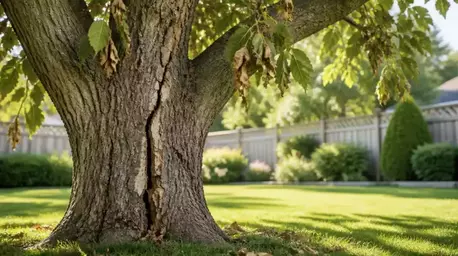
Safety is the top priority when assessing your trees post-storm. First, look for any trees that appear to be leaning or unstable. This can indicate serious structural damage, which may pose a risk during windy conditions. If you notice a tree leaning excessively or if you can see roots exposed, it might be best to consult a professional right away. Remember, safety first!
Leaning trees can be a sign of trouble. Here are some key indicators to look for:
If you see any of these signs, it’s time to take action. A professional can help assess whether the tree can be saved or if removal is necessary. For further reading on tree stability, consider our article on tree root systems explained.
Next, examine the branches. Broken or damaged branches can also indicate that your tree is in distress. Look for:
These signs suggest that your tree might need immediate attention. It’s amazing how resilient trees can be when given the right care!
Finally, assess the overall health of your tree. Look for any signs of bark damage, sap oozing, or decay. This evaluation will help you determine the extent of harm. Here’s what to consider:
By identifying these issues early on, you can better plan the recovery efforts. Remember, this is where your passion for tree care can truly shine! You’re helping to ensure a healthier future for our environment.
After heavy rainfall, the condition of the soil around your trees is important. It can greatly affect their recovery. Saturated or compacted soil can lead to root suffering, so let's dive into how to evaluate these conditions.
First, assess the soil drainage to see if the water is pooling or draining away. Here are simple steps to check:
Good drainage is essential for tree health, and it’s something we often overlook!
Waterlogged soil can create compaction problems, limiting air and nutrient access to roots. Watch for:
By recognizing these conditions, you can take action sooner rather than later!
Finally, consider conducting a soil test. This will help you understand the nutrient levels available to your trees. Look for:
Being informed about soil health allows you to make better decisions about how to nurture your trees moving forward. At Timber & Thrive, we believe that understanding the soil is just as crucial as caring for the trees themselves. For more on this topic, check out our guide on soil health for sustainable tree planting.
Did you know? Regularly inspecting your trees for signs of stress—such as wilting leaves or unusual bark conditions—can help you catch potential issues early. This proactive approach not only supports their recovery after heavy rain but also enhances their resilience against future storms.
After heavy rainfall, caring for your trees is vital for their recovery. At Timber & Thrive, we believe that taking prompt, effective actions can make all the difference in preserving your trees' health and longevity. In the following sections, we’ll explore key steps to help you assess damage, implement recovery techniques, and prepare for future storms.
Creating a checklist can streamline your tree care process. By breaking down tasks into immediate actions and longer-term strategies, you can stay organized and ensure your trees receive the attention they need. Here’s a simple guide to follow:
This checklist is your roadmap for tree recovery after heavy rainfall. It outlines essential actions you can take in the immediate aftermath and over time. Keeping these steps in mind will help you support your trees effectively:
As we all know, preparation is key! Taking preventive measures can reduce the impact of future storms on your trees. Here are a few strategies that I recommend:
Connecting with local resources can greatly enhance your tree care efforts. At Timber & Thrive, we encourage you to tap into community support and expert advice available in your area. Engaging with professionals and fellow tree enthusiasts can help you gain valuable insights and establish a network of support.
Here are some avenues to explore for expert advice and assistance:
Caring for trees after heavy rainfall requires continuous monitoring and timely interventions. Remember, our trees are vital to the health of our planet, and they need our support! I invite you to take action today—whether it’s checking your trees or reaching out to local resources, every step counts. If you're interested in broader sustainable practices, consider reading our article on sustainable tree care practices.
Have you experienced tree damage from heavy rain? I’d love to hear your experiences or answer any questions you may have! Let’s build a stronger community together, one tree at a time!
Here is a quick recap of the important points discussed in the article:
Celia Greenwood is a dedicated environmentalist and tree care expert with a passion for promoting sustainable practices. With years of experience in eco-friendly planting and tree preservation, Celia aims to educate and inspire others to embrace environmentally conscious choices. Her mission is to foster a community that values trees as vital components of our ecosystem, ensuring a greener future for generations to come.