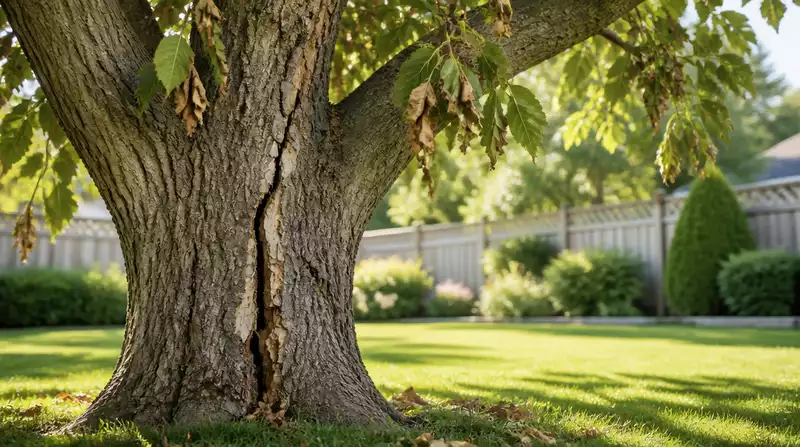
Health Monitoring
Routine inspections help identify pests or diseases early, allowing for prompt treatment.
Have you ever considered how the health of trees impacts not just the environment, but also your property value and safety? Trees offer numerous benefits, yet they require regular care to flourish. Understanding tree health is essential for effective maintenance and overall ecosystem balance.
Understanding the advantages of maintaining tree health can significantly impact your property and the environment. Below are some visual statistics highlighting these benefits.
Routine inspections help identify pests or diseases early, allowing for prompt treatment.
Well-maintained trees are less likely to pose dangers like falling branches or uprooting.
Keeping trees well-groomed enhances your property’s overall appearance, making it more inviting.
Well-maintained trees can boost your property’s market value, making it more attractive to potential buyers.
As a passionate advocate for sustainable practices, I truly believe that the health of our trees is the foundation of a thriving ecosystem. Trees play a crucial role in our environment, providing shade, oxygen, and habitats for countless species. However, just like any living organism, they require regular care and attention to flourish. That’s where understanding tree health comes into play! For more in-depth information on how to support vibrant arboreal life, consider exploring nurturing trees for healthier growth.
At Timber & Thrive, we emphasize the importance of proactive tree maintenance because it allows us to spot issues before they become serious problems. Regular check-ups can extend the lifespan of your trees, enhance their growth, and keep your property looking beautiful. It’s a small commitment that pays off in big ways for both the trees and the community!
Regular tree maintenance is essential for several reasons that directly impact both our environment and our personal spaces. Here are some key points to consider:
So, how often should we maintain our trees? A good rule of thumb is to perform a thorough check at least twice a year, preferably in spring and fall. By actively caring for your trees, you are not only nurturing them but also contributing to a healthier environment, supporting practices like sustainable urban tree care.
Have you ever thought about the significant impact trees have on your property? They do so much more than just stand tall and pretty! Here are some ways trees can enhance your living space:
In my experience, a well-placed tree can transform an ordinary yard into a serene retreat. It’s not just about aesthetics; it’s also about functionality and environmental health. With the right care, our trees can be long-lasting guardians of our homes!
Did you know? Regularly monitoring your trees for subtle changes can save you time and money in the long run. Consider keeping a tree journal where you document growth patterns, seasonal changes, and any signs of distress. This proactive approach will not only help you track the health of your trees but also prepare you to make informed decisions about their care.
As we wrap up our discussion on tree health, it’s crucial to reflect on the signs of tree distress that we can easily identify. Trees are resilient, but they do send us signals when something isn’t quite right. Being aware of these signs can help us act quickly and effectively! For a comprehensive guide on identifying these signals, read about the signs your trees are stressed.
Here are some key signs to watch for:
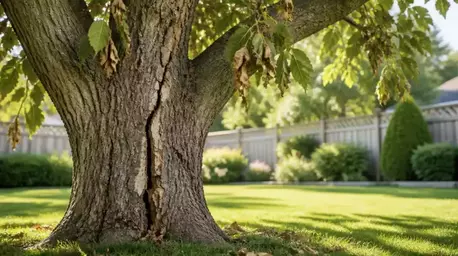
Understanding the signs of tree distress is the first step towards nurturing a healthy landscape. For instance, if you notice your tree leaning or if there are cracks in the trunk, it might be time to call in a professional. Similarly, bark damage could indicate deeper issues that need addressing.
Taking notice of pests and fungal growth is equally important. These can weaken the tree, making it susceptible to further damage. Remember, your trees are part of the ecosystem, and their health contributes to the overall well-being of your property.
Knowing when to call an arborist can be challenging, but it's essential for maintaining tree health. If you observe any of the previously mentioned signs, it's wise to consult a certified arborist as soon as possible. Professional tree care can save your trees and even enhance your property’s value.
Here are a few reasons to consider seeking professional help:
Establishing a long-term tree care plan can significantly enhance the health of your trees. Regular maintenance not only ensures that trees thrive but also prevents potential problems before they escalate. Think of it as a wellness check for your trees!
Consider incorporating the following practices into your tree care plan:
When the time comes to seek professional help, finding a certified arborist is your next step. They can provide insights tailored to your specific needs, ensuring your trees receive the best care possible. Remember, it’s never too late to start prioritizing tree health!
As part of your long-term care strategy, consider these elements:
Fertilization and mulching are both effective strategies for maintaining tree health. Fertilizing your trees provides them with necessary nutrients, while mulching helps retain soil moisture and reduces competition with weeds. Together, they create a supportive environment for growth!
Each season brings unique challenges and opportunities for your trees. For instance, spring is the perfect time to prune, while fall is great for mulching. By staying attuned to the natural rhythm of your environment, you can ensure that your trees thrive all year long!
Here is a quick recap of the important points discussed in the article:
Celia Greenwood is a dedicated environmentalist and tree care expert with a passion for promoting sustainable practices. With years of experience in eco-friendly planting and tree preservation, Celia aims to educate and inspire others to embrace environmentally conscious choices. Her mission is to foster a community that values trees as vital components of our ecosystem, ensuring a greener future for generations to come.