Starting a Community Tree Program
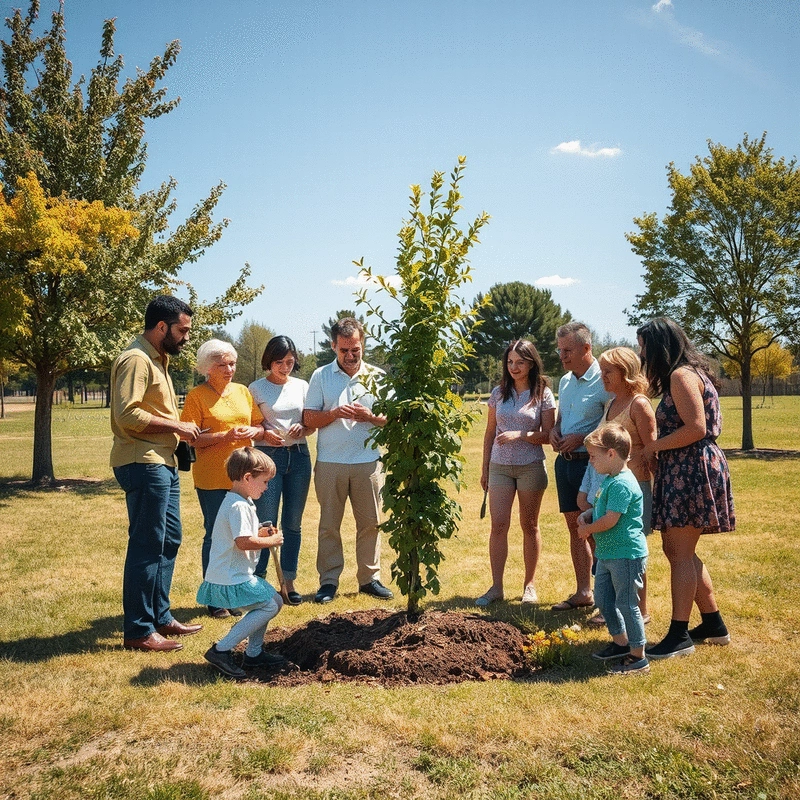
Every thriving community is deeply intertwined with its natural environment. A well-structured Tree Adoption Program can transform this connection into a powerful movement for sustainability. By nurturing trees, we nurture our community. In this article, you'll uncover the transformative impact of such initiatives and how they can forge stronger community ties.
What You Will Learn
- Enhancing Community Engagement: A Tree Adoption Program strengthens bonds among residents and fosters teamwork.
- Improving Air Quality: Trees purify the air by absorbing carbon dioxide and releasing oxygen.
- Boosting Mental Health: Green spaces promote well-being, providing community members with peaceful retreats.
- Promoting Biodiversity: Planting native species supports local wildlife and enhances ecosystem health.
- Steps to Success: Defining clear goals, engaging stakeholders, and creating maintenance plans are crucial for a successful program.
- Fostering Environmental Stewardship: Community involvement in tree care cultivates pride and responsibility among residents.
Key Benefits of a Community Tree Planting Initiative
Explore the significant advantages of establishing a community tree planting initiative as highlighted below:
Enhancing Community Engagement
Strengthens bonds among residents and encourages teamwork.
Improving Air Quality
Trees absorb carbon dioxide and release oxygen, helping to purify the air we breathe.
Providing Shade and Cooling
Trees offer natural shade, reducing heat in urban areas and lowering energy costs.
Boosting Mental Health
Green spaces have been linked to improved mental well-being, creating peaceful retreats for community members.
Understanding the Importance of a Tree Adoption Program in Your Community
The heart of any thriving community lies in its connection to nature. At Timber & Thrive, we believe a Tree Adoption Program is not just about planting trees; it's about nurturing relationships between people and the environment. By establishing such a program, we can foster a sense of stewardship among community members, encouraging them to play an active role in enhancing the green spaces around them. Together, we can create a more sustainable future, one tree at a time! For more insights into nurturing healthy trees, explore our guide on Nurturing Trees for Healthier Growth.
When a community comes together to adopt trees, the benefits extend far beyond aesthetics. Trees offer essential environmental services, and educating the public on these can lead to a deeper appreciation for our natural surroundings. If you are wondering just how much a Tree Adoption Program can impact your local area, let’s dive into some of the key benefits!
Benefits of Establishing a Community Tree Planting Initiative
Creating a community tree planting initiative brings numerous advantages that are hard to ignore. Here are just a few of the most significant benefits:
- Enhancing Community Engagement: A community-driven project strengthens bonds among residents and encourages teamwork.
- Improving Air Quality: Trees absorb carbon dioxide and release oxygen, helping to purify the air we breathe.
- Providing Shade and Cooling: Trees offer natural shade, reducing heat in urban areas and lowering energy costs.
- Boosting Mental Health: Green spaces have been linked to improved mental well-being, creating peaceful retreats for community members.
Establishing a tree planting initiative is especially vital in urban environments where green spaces may be limited. By fostering collaboration, we can encourage participation and instill pride within the community.
Enhancing Urban Forest Stewardship and Community Engagement
When communities come together to adopt trees, they engage in a shared responsibility that promotes stewardship. This initiative not only beautifies neighborhoods but also inspires residents to take pride in their surroundings. Have you ever noticed how a single tree can become a gathering place, sparking conversations and connections among neighbors? That’s the magic of urban forestry! You can learn more about urban forestry benefits for residents.
Through events like tree planting days and workshops, community members can learn about tree care and the benefits of maintaining a healthy urban forest. Imagine the impact of a vibrant community filled with dedicated individuals working hand-in-hand to nurture their local environment!
Improving Environmental Health and Aesthetic Value
The role of trees in improving environmental health cannot be overstated. They act as natural air filters, trapping dust, pollen, and other pollutants. Additionally, trees can help control stormwater, reducing flooding risks in urban areas. With their strategic placement, trees create a cooler microclimate, benefiting local wildlife and enhancing the overall aesthetic appeal of neighborhoods.
As we plant trees together, we see a transformation in our landscapes. Picture a street lined with vibrant greenery, where families gather for picnics, and children play under the shade. It's not just about beauty; it’s about crafting spaces where everyone feels connected to nature.
Promoting Biodiversity through Native Tree Species
One of the most effective ways to promote biodiversity is by planting native tree species in our communities. Native trees are not only adapted to the local climate but also provide habitats for local wildlife. When we choose trees that belong to our region, we support ecosystems that are directly linked to our community’s health.
Some benefits of planting native species include:
- Supporting Local Wildlife: Native trees provide food and shelter for birds, insects, and other wildlife.
- Reducing Maintenance Costs: Native species typically require less water and care, making them more sustainable choices.
- Enhancing Soil Health: Their root systems improve soil structure and prevent erosion.
By committing to native tree planting, we can create a thriving ecosystem that not only beautifies our surroundings but also plays a crucial role in environmental conservation. Learn more about choosing native trees for planting to maximize these benefits.
Quick Summary
Here's a brief recap of the key points discussed so far:
- Community Engagement: A Tree Adoption Program fosters a stronger sense of community by encouraging teamwork and collaboration among residents.
- Environmental Benefits: Trees improve air quality, provide shade, and contribute to mental well-being, making urban areas more livable.
- Biodiversity Support: Planting native tree species promotes local wildlife and enhances soil health, creating a thriving ecosystem.
Frequently Asked Questions About Community Tree Adoption Programs
Here are some common questions about starting and running a community tree adoption program:
- What is a Tree Adoption Program?
- A Tree Adoption Program encourages community members to take responsibility for planting, caring for, and maintaining trees in their local area, fostering environmental stewardship and community engagement.
- What are the main benefits of a Tree Adoption Program?
- Key benefits include enhancing community engagement, improving air quality, providing shade and cooling, boosting mental health, and promoting biodiversity through native tree species.
- How does a Tree Adoption Program enhance community engagement?
- It strengthens bonds among residents by encouraging teamwork, shared responsibility, and participation in events like tree planting days and workshops, fostering a sense of pride in local green spaces.
- Why is planting native tree species important?
- Native species are adapted to the local climate, require less maintenance, support local wildlife by providing food and shelter, and enhance soil health, contributing to a thriving ecosystem.
- What are the crucial steps for starting a successful Tree Adoption Program?
- Key steps include defining clear objectives, building a dedicated volunteer team, engaging local stakeholders, developing a realistic timeline, establishing a funding plan, promoting outreach, and creating maintenance plans.
Summarizing the Steps to Successfully Start a Tree Adoption Program
As we wrap up our discussion on tree adoption programs, it’s essential to highlight the core components that lead to success. From my experience at Timber & Thrive, I’ve learned that a well-structured plan, community engagement, and sustainability are key to a thriving initiative. By understanding the needs of your community and the benefits of trees, you can create an impactful program that inspires others.
Let's summarize the critical steps for launching your own community tree initiative:
- Define your objectives and goals clearly.
- Build a dedicated team of volunteers.
- Engage local stakeholders and government agencies.
- Develop a realistic timeline for implementation.
- Establish a funding and budget plan.
- Promote outreach and community involvement.
- Create maintenance plans to ensure tree health.
Remember, every effort counts in nurturing our urban forests and building community connections. Timber & Thrive is here to support you every step of the way!
Recapping Key Takeaways for Community Tree Initiatives
To truly foster a culture of tree adoption, it's vital to keep a few key takeaways in mind. Planning is essential; it lays the groundwork for everything that follows. Engaging with community members not only enhances participation but also raises awareness about the benefits trees offer our environment. Together, we can make a significant difference.
Here are some vital reminders to consider:
- Set measurable goals for success.
- Involve the community in decision-making processes.
- Ensure that your initiatives are sustainable for the long term.
By embedding these principles into your program, you’ll create a nurturing environment for both trees and community bonds. For more information on maintaining these efforts, consider exploring sustainable tree care practices.
Encouraging Action: Join the Movement for a Greener Community
Are you ready to take action and start your own tree adoption program? It doesn’t have to be daunting! With the right resources and support, you can launch a meaningful initiative that makes a real difference. At Timber & Thrive, we encourage you to take that leap and join the movement for a greener community!
Here’s how you can get started:
- Utilize guides and toolkits available online.
- Connect with local organizations that share your vision.
- Participate in community planting days and workshops.
Each small step contributes to a more sustainable future, and you can inspire others to follow suit. Let’s plant the seeds for a greener tomorrow, together!
Recap of Key Points
Here is a quick recap of the important points discussed in the article:
- Community Engagement: Establishing a Tree Adoption Program enhances community bonds and encourages teamwork.
- Environmental Benefits: Trees improve air quality, provide shade, and support biodiversity by offering habitats for local wildlife.
- Native Species: Planting native tree species reduces maintenance costs and promotes healthier ecosystems.
- Structured Planning: Clearly define objectives, build volunteer teams, engage stakeholders, and develop sustainable maintenance plans for long-term success.
- Awareness and Education: Conduct outreach programs to educate the community about the benefits of trees and the importance of urban forestry.
Celia Greenwood
Celia Greenwood is a dedicated environmentalist and tree care expert with a passion for promoting sustainable practices. With years of experience in eco-friendly planting and tree preservation, Celia aims to educate and inspire others to embrace environmentally conscious choices. Her mission is to foster a community that values trees as vital components of our ecosystem, ensuring a greener future for generations to come.