Tree Bark Damage: Causes and Care
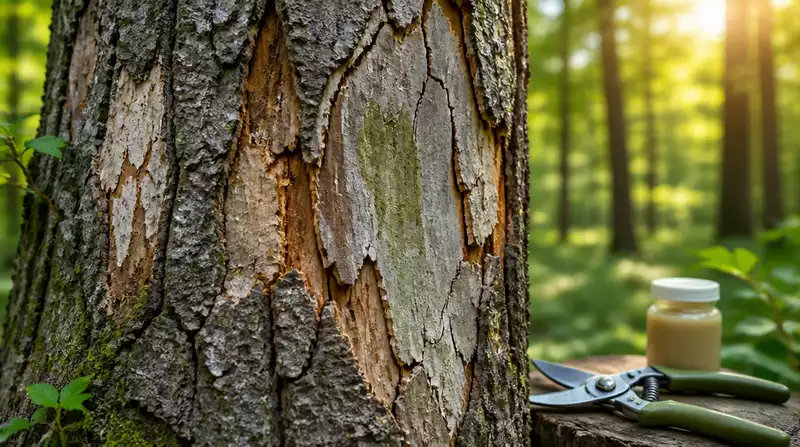
Have you ever stopped to think about the protective layer of a tree? Tree bark is often overlooked, but it plays a vital role in a tree's health and longevity. Understanding tree bark damage is key to ensuring our green spaces thrive. Let's explore the essential aspects of tree bark damage and how to safeguard our trees effectively.
What You Will Learn
- Definition of Bark Damage: Loss or injury to bark can significantly affect a tree's ability to transport nutrients and water, leading to decreased growth and increased vulnerability to pests.
- Common Causes: Environmental stress, mechanical injuries, pests, and diseases are key factors that can lead to bark damage.
- Indicators of Tree Health: Signs such as new leaf growth and increased sap flow are indicators of recovery, while discoloration and lesions signal potential problems.
- When to Consult an Arborist: Severe bark loss, signs of decay, or persistent pest issues necessitate professional evaluation for effective treatment.
Factors and Impacts of Tree Bark Damage
Understanding the various causes and impacts of tree bark damage can help us take proactive measures to maintain tree health. Below is a visual summary of common causes and the impacts of bark damage on trees.
Causes of Bark Damage
- Environmental Stress: Extreme weather conditions can harm bark.
- Mechanical Injury: Tools, vehicles, or animals scraping the bark.
- Pests: Insect infestations that weaken bark.
- Diseases: Fungal infections leading to cankers.
Impacts of Bark Damage
- Reduced nutrient transport affecting growth.
- Increased susceptibility to diseases and pests.
- Overall decline in health and vitality.
- Potential tree death if not addressed.
Signs to Monitor During Recovery
- New leaf growth indicating vitality.
- Increased sap flow, suggesting healing.
- Formation of callus tissue at the wound site.
Common Problems to Watch For
- Fungal infections: Discoloration or unusual growths.
- Pest infestations: Signs of insects.
- Environmental stress: Wilting leaves or stunted growth.
Understanding Tree Bark Damage: The Basics
Have you ever noticed the rough, textured skin of a tree and wondered about its importance? Tree bark is not just for looks; it plays a crucial role in protecting the tree from various threats. At Timber & Thrive, we emphasize understanding tree bark damage because it can significantly impact the health and growth of trees in our communities! For more insights into maintaining robust trees, explore our guide on nurturing trees for healthier growth.
When we talk about tree bark damage, we refer to any disruption in the bark's integrity. This can be caused by environmental factors, pests, or diseases. Understanding the implications of this damage is vital for anyone passionate about tree care, as it can lead to long-lasting effects on the tree’s vitality and the ecosystem it supports.
Defining Tree Bark Damage and Its Implications
So, what does tree bark damage really mean? Essentially, it's the loss or injury of the bark, which can hinder the tree's ability to transport nutrients and water. This damage can lead to decreased growth rates, increased vulnerability to pests, and even tree death if not addressed promptly.
Recognizing bark damage early is key! At Timber & Thrive, we believe that an informed community can make a real difference in tree health. Understanding the causes and implications allows us to take proactive steps to protect our trees and ensure they thrive for generations to come, aligning with broader sustainable tree care practices.
What Causes Tree Bark Damage? An Overview of Common Factors
There are several causes of tree bark damage, and knowing them can help in prevention:
- Environmental Stress: Extreme weather conditions like strong winds, heavy snow, or excessive heat can harm bark.
- Mechanical Injury: Tools, vehicles, or animals can scrape or gouge the bark.
- Pests: Bark beetles and other insects can infest and weaken bark.
- Diseases: Fungal infections can lead to cankers and rot.
By being aware of these common factors, we can take steps to minimize their impact on our trees. Remember, a healthy tree is a resilient tree!
Impact of Bark Damage on Tree Health and Growth
When bark damage occurs, the repercussions can be severe. A damaged bark layer can disrupt the tree's vascular system, leading to:
- Reduced nutrient transport, affecting growth.
- Increased susceptibility to diseases and pests.
- Overall decline in health and vitality.
It’s heartbreaking to see a beloved tree suffer due to preventable issues! At Timber & Thrive, we encourage everyone to keep a close eye on their trees and address any signs of bark damage as soon as possible. Remember, proper early intervention can make all the difference!
Common Tree Diseases Associated with Bark Damage
As we dive deeper into the world of tree health, it’s essential to understand how diseases can lead to bark damage. Several common tree diseases can wreak havoc if not identified and treated early. Knowing these can empower you to take action and protect your trees.
Some of the most common diseases include:
- Canker Diseases: Often caused by fungi, these appear as sunken, dead areas on the bark.
- Fungal Infections: These can lead to rot and compromise the entire tree structure.
By familiarizing ourselves with these diseases, we can better prevent and manage issues before they escalate. Let’s work together to keep our trees healthy!
Identifying Fungal Infections and Canker Diseases
Identifying these issues early can save your tree. Here are some signs to look for:
- Discoloration or unusual spots on the bark.
- Sunken areas or lesions that may ooze sap.
- Rapid shedding of leaves or branches.
If you notice any of these symptoms, it’s time to take action! Remember, education is a powerful tool in tree care, and we at Timber & Thrive are here to help guide you every step of the way.
The Role of Bark Beetles and Insect Infestation
Insects, particularly bark beetles, can cause significant damage to trees by burrowing under the bark. This can disrupt the tree's nutrient flow and create entry points for diseases. Some signs of infestation include:
- Small holes: These may indicate where the insects have entered.
- Fine sawdust: A telltale sign of bark beetle activity.
- Browning leaves: A sign of overall tree stress.
Monitoring your trees regularly can help you catch these pests before they do too much damage! At Timber & Thrive, we encourage community engagement in tree health and care. Together, we can nurture our green spaces! For effective interventions, consider exploring eco-friendly tree pest solutions.
Pro Tip
Did you know? Regularly checking the moisture levels in the soil around your trees can significantly help in preventing bark damage. Trees that are too dry are more susceptible to stress and injury, so keeping the soil adequately hydrated is crucial for their overall health. Consider using mulch to retain moisture and protect the root zone!
Monitoring Progress: Long-Term Care for Damaged Trees
As we embark on the journey of healing our trees, it's crucial to keep a vigilant eye on their progress. Trees are resilient, but they also need our support, especially after experiencing bark damage. Being aware of the signs of recovery can empower us to take timely action if needed. So, what should we look out for during this important phase?
Monitoring your tree's health is not just about observing its physical state; it also involves understanding its behavior. Noticing changes in leaf color, growth patterns, and overall vitality can provide valuable insight into how well your tree is recovering. Here are some key signs to monitor:
- New leaf growth indicating vitality.
- Increased sap flow, suggesting healing.
- Formation of callus tissue at the wound site.
Signs to Monitor During Recovery: What to Watch For
In the quest to help our trees thrive, it's important to identify potential problems early. Bark damage can lead to various complications if left unchecked. By being proactive, we can address these issues head-on! Here are common problems to watch for and their solutions:
- Fungal infections: Look for discoloration or unusual growths. Treat with appropriate fungicides.
- Pest infestations: Check for signs of insects. Consider applying organic pest control methods.
- Environmental stress: Monitor for wilting leaves or stunted growth. Ensure proper watering and mulching.
Tree Monitoring Techniques for Ongoing Assessment
Effective monitoring goes hand in hand with proper techniques. Regular assessments can help track your tree's healing progress and make necessary adjustments. Here are some simple but effective monitoring techniques:
- Visual inspections: Conduct weekly checks for any visible changes.
- Soil tests: Assess soil health by checking moisture levels and nutrient content.
- Growth measurements: Keep records of leaf and branch growth for comparison.
At Timber & Thrive, we believe that engaging with our trees fosters a deeper connection to our environment. By taking these monitoring steps, we not only support our trees but also strengthen our commitment to sustainable practices. Let's nurture our trees together, ensuring they have the best chance for recovery!
When to Consult a Certified Arborist
As we care for our trees, we must recognize when our efforts may need to be supplemented with professional help. Sometimes, the damage can be beyond what we can manage on our own. Knowing when to call in a certified arborist can make all the difference in your tree's recovery.
It's essential to be aware of the signs that indicate your tree may need professional assessment. Here are some indicators that can help guide your decision:
- Severe bark loss: If a large portion of bark is missing, it's time to consult an expert.
- Signs of decay: Mushrooms or blackened areas on the trunk can suggest serious issues.
- Persistent pest problems: If pests keep returning despite treatment, professional advice can be invaluable.
Recognizing Severe Damage: Indicators That Need Professional Help
In some cases, trees may exhibit severe damage that requires immediate attention. A certified arborist has the expertise to assess the situation and provide tailored solutions. Here are some aspects that an arborist will consider:
- Tree structure: Evaluating if the tree can be saved or if removal is necessary.
- Soil conditions: Analyzing soil health and its impact on recovery.
- Overall tree health: Understanding the long-term viability of the tree.
Understanding the Role of an Arborist in Tree Recovery
Arborists play a crucial role in our trees' recovery journey. Their knowledge and experience can provide insights that may not be apparent to the untrained eye. A certified arborist not only helps diagnose issues but also lays out a plan for restoration. They can assist with:
- Creating a tailored care plan.
- Performing advanced treatments.
- Monitoring progress over time.
By collaborating with professionals, we amplify our efforts in nurturing our trees. Remember, seeking help early can lead to better outcomes in the recovery process, ensuring that our trees thrive for years to come! Learn more about the critical role of biodiversity in forest conservation to appreciate the broader ecological context of tree health.
Frequently Asked Questions about Tree Bark Damage and Recovery
When it comes to tree bark damage and recovery, many questions arise. Here are some frequently asked questions that can clarify common uncertainties!
What is tree bark damage?
Tree bark damage refers to any injury or disruption to the outer protective layer of a tree. This can prevent the tree from effectively transporting water and nutrients, leading to reduced growth, increased vulnerability to pests and diseases, and potentially tree death if not addressed.
What are the most common causes of bark damage?
Common causes include environmental stress (e.g., extreme weather), mechanical injuries (e.g., from tools, vehicles, or animals), pests (e.g., bark beetles), and diseases (e.g., fungal infections like cankers).
How can I identify if my tree has bark damage?
Look for signs such as discoloration, unusual spots, sunken areas or lesions that may ooze sap, small holes (indicating insect activity), fine sawdust, or rapid shedding of leaves or branches. Any disruption to the bark's integrity is a sign of damage.
Can a tree recover from significant bark loss?
Yes, trees can often survive significant bark loss, especially if the damage is not circumferential (girdling the entire trunk). Recovery depends on the extent of the injury, the tree's overall health, and prompt, proper care. Signs of recovery include new leaf growth, increased sap flow, and the formation of callus tissue around the wound.
When should I consult a certified arborist?
It's advisable to consult a certified arborist if you observe severe bark loss, clear signs of decay (like mushrooms or blackened areas), or persistent pest problems that don't respond to home treatments. An arborist can provide a professional assessment and tailored recovery plan.
Can Trees Survive Significant Bark Loss?
Yes, trees can survive significant bark loss, but their ability to recover depends on the extent of the damage and how quickly we respond. A healthy tree may still thrive with proper care and monitoring. For instance, understanding tree root systems explained can provide additional context on a tree's resilience.
How Long Will It Take for My Tree to Heal?
The healing time can vary widely depending on the species, extent of damage, and environmental conditions. Generally, it may take several months to a few years for a tree to fully recover.
What Are the Best Practices in Pest Management?
Best practices in pest management include regularly inspecting your trees, maintaining their health, and using organic methods whenever possible. Consulting with an arborist can also provide tailored recommendations!
Conclusion and Key Takeaways on Bark Damage Recovery
As we conclude this exploration into tree bark damage and recovery, let's recap some key points. Monitoring your tree's health, knowing when to seek help, and being proactive in care are essential in nurturing our trees back to health. Remember, a healthy tree is a resilient tree!
Let’s embrace patience as we watch our trees heal. Just like every small step we take towards sustainability matters, each bit of care we provide our trees contributes to a healthier planet. Join me in this journey, and let’s make a difference together, one tree at a time!
Recap of Key Points
Here is a quick recap of the important points discussed in the article:
- Understanding Tree Bark Damage: Recognize that bark damage can hinder a tree's ability to transport nutrients and water, affecting growth and health.
- Common Causes: Be aware of environmental stress, mechanical injury, pests, and diseases that can lead to bark damage.
- Impact on Health: Damaged bark can result in reduced nutrient transport, increased susceptibility to pests, and overall decline in tree vitality.
- Monitoring Recovery: Look for new leaf growth, increased sap flow, and callus formation as signs of recovery in damaged trees.
- When to Consult an Arborist: Seek professional help for severe bark loss, signs of decay, or persistent pest problems to ensure effective recovery strategies.
- Best Practices in Pest Management: Regular inspections, maintaining tree health, and using organic methods can help manage pests effectively.

Celia Greenwood
Celia Greenwood is a dedicated environmentalist and tree care expert with a passion for promoting sustainable practices. With years of experience in eco-friendly planting and tree preservation, Celia aims to educate and inspire others to embrace environmentally conscious choices. Her mission is to foster a community that values trees as vital components of our ecosystem, ensuring a greener future for generations to come.