Carbon Sequestration Potential
A mature tree can absorb approximately 48 pounds of CO2 annually, contributing to climate stabilization.
Every year, millions of trees are lost to deforestation, but did you know that collective action can significantly reverse this trend? Trees not only provide vital resources but also help regulate our climate and maintain ecosystem balance. Let's explore how we can combat deforestation and contribute to a greener future!
These key statistics highlight the importance of reforestation efforts in combating climate change and restoring ecosystems:
A mature tree can absorb approximately 48 pounds of CO2 annually, contributing to climate stabilization.
One tree can provide habitat for more than 100 species of birds, mammals, and insects, enhancing local ecosystems.
For every dollar invested in reforestation, communities can expect a return of $2 to $5 through ecosystem services and tourism.
Reforestation can reduce soil erosion by up to 90%, protecting waterways and creating healthier land.
Deforestation is a serious issue that affects our planet in many ways. It leads to the loss of habitats for countless species, disrupts water cycles, and contributes to climate change. When we cut down trees, we are not just removing wood; we are also taking away the vital support systems that keep our ecosystems healthy and balanced. This highlights the severe effects of deforestation on local ecosystems.
At Timber & Thrive, we believe that understanding the consequences of deforestation is crucial for fostering a community dedicated to reforestation. Have you ever thought about the impact of tree loss on your local environment? When trees disappear, soil erosion increases, leading to poorer air and water quality, which ultimately affects all living creatures.
Trees play a vital role in regulating our climate. They absorb carbon dioxide—a greenhouse gas that contributes to global warming—while releasing oxygen, which is essential for life. This natural process helps to balance our atmosphere, making trees indispensable in the fight against climate change.
By planting trees, we can create a healthier environment for ourselves and future generations. Imagine walking through a vibrant forest, where every breath you take feels fresh and revitalizing! That's the power of trees in action, working tirelessly to make our world a better place.
Did you know that trees are often referred to as *nature's carbon sinks*? They absorb carbon dioxide during photosynthesis, storing carbon in their trunks, roots, and leaves. This process not only helps to mitigate climate change but also promotes the health of our forests.
By focusing on reforestation, we can leverage the natural abilities of trees to combat climate change effectively. Isn't it exciting to think about how many trees we could plant together to create a more sustainable future?
Across the globe, numerous organizations are passionately working to combat deforestation through innovative reforestation initiatives. These groups are often at the forefront of environmental change, spearheading projects that restore damaged ecosystems. Some notable organizations include:
By supporting these organizations or even starting local initiatives, we can contribute to a global movement focused on restoring our planet's health. It’s inspiring to see how collective action can lead to significant change!
Success stories in reforestation inspire us all! One such remarkable project is the Greening the Desert initiative in Jordan, which has transformed barren land into thriving ecosystems. Another example is the Great Green Wall in Africa, a massive endeavor to combat desertification and restore millions of hectares of degraded land.
These projects show that, with dedication and effort, we can make a difference in reversing the effects of deforestation. Seeing these transformations is a powerful reminder of why we must keep planting trees!
Non-governmental organizations (NGOs) play a crucial role in promoting reforestation efforts worldwide. They not only raise awareness about the importance of trees but also provide vital resources and support for local communities. At Timber & Thrive, we appreciate the work of these organizations in fostering a sustainable future.
By partnering with these organizations, we can amplify our impact and inspire others to join the movement for healthier ecosystems. Together, we can cultivate a greener, more sustainable planet!
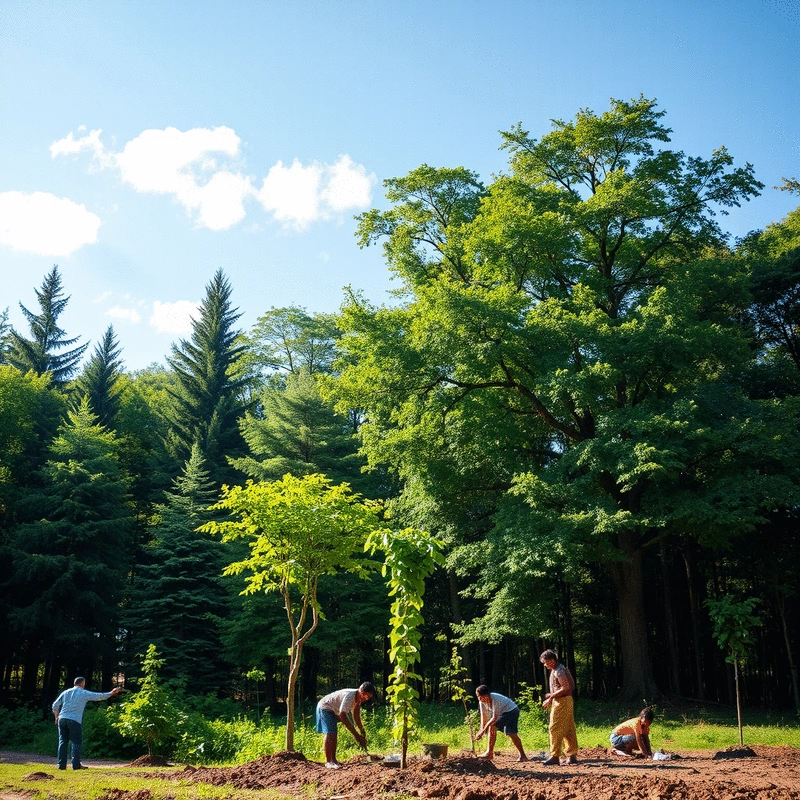
Did you know that engaging local schools in reforestation efforts can significantly boost community involvement? By incorporating tree planting into educational programs, children learn the value of trees and become lifelong advocates for the environment. Consider reaching out to nearby schools to organize collaborative planting events or workshops!
As we reflect on the challenges of deforestation, it’s clear that every action matters! The journey towards a more sustainable future depends on our collective efforts to protect and restore our forests. At Timber & Thrive, we believe that raising awareness and taking action can lead to significant changes in our environment. Together, we can nurture the resilience of our ecosystems and encourage others to join this vital mission.
The future of reforestation efforts is promising, but it requires a commitment from all of us. With continued support for innovative policies and community initiatives, we can create a landscape where trees thrive and biodiversity flourishes. It's not just about planting trees; it's about fostering a culture of stewardship and responsibility towards our planet.
Legislative action plays a crucial role in the success of reforestation initiatives. When governments prioritize environmental policies, it opens doors for sustainable practices to flourish. Here are some important areas to consider:
Urban tree planting is becoming increasingly vital in our fight against deforestation. Cities can benefit immensely from more green spaces, which contribute to cleaner air and improved overall well-being. Imagine walking through a city park, surrounded by vibrant trees that not only beautify the area but also combat pollution!
Supportive legislation can create a strong foundation for sustainable practices. When laws are established to protect forests and incentivize reforestation, we pave the way for healthier ecosystems. Local governments can champion these changes by:
As we see more urban areas become aware of their environmental impact, the push for greener cities will only grow stronger. Urban greening initiatives not only beautify our surroundings; they also enhance air quality and provide habitats for local wildlife.
The need for trees in urban environments cannot be overstated. They play a crucial role in mitigating urban heat, providing shade, and improving air quality. I often remind myself of the importance of green spaces amidst concrete jungles. Here are a few benefits of urban tree planting:
By encouraging urban tree planting, we are not only addressing deforestation but also enhancing the quality of life for city dwellers. It’s a win-win situation!
Now, more than ever, it’s vital to take action to support reforestation initiatives. There are many ways you can contribute. Every small effort counts towards a bigger impact! Here are some ideas to help you get started:
By engaging in your local community, you can raise awareness and inspire others to take part in these vital efforts. Together, we can create a healthier planet for future generations.
If you’re looking to dive deeper into supporting reforestation, there are numerous resources available. Here are a few that I find particularly helpful:
Through these platforms, you can find various ways to contribute and make a difference. Let’s join forces for the sake of our trees!
Engaging in urban greening initiatives is a powerful way to combat deforestation and enhance air quality. Here are a few actions you can take:
Imagine the difference we can make by simply taking the time to care for our urban forests! As members of Timber & Thrive, we are committed to fostering a community that values tree care and supports reforestation efforts. Our article on starting a community tree project provides practical steps to get involved. Together, we can cultivate a thriving environment for ourselves and future generations!
Here is a quick recap of the important points discussed in the article:
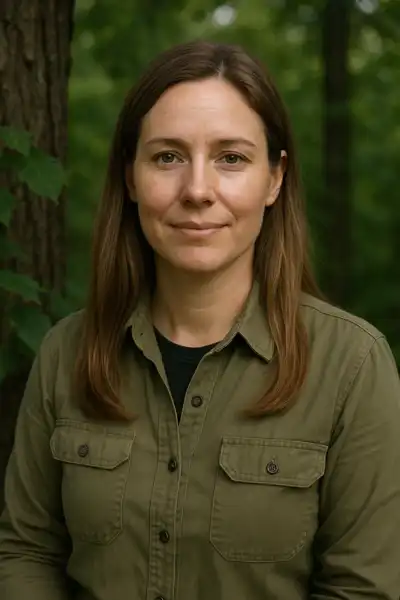
Celia Greenwood is a dedicated environmentalist and tree care expert with a passion for promoting sustainable practices. With years of experience in eco-friendly planting and tree preservation, Celia aims to educate and inspire others to embrace environmentally conscious choices. Her mission is to foster a community that values trees as vital components of our ecosystem, ensuring a greener future for generations to come.