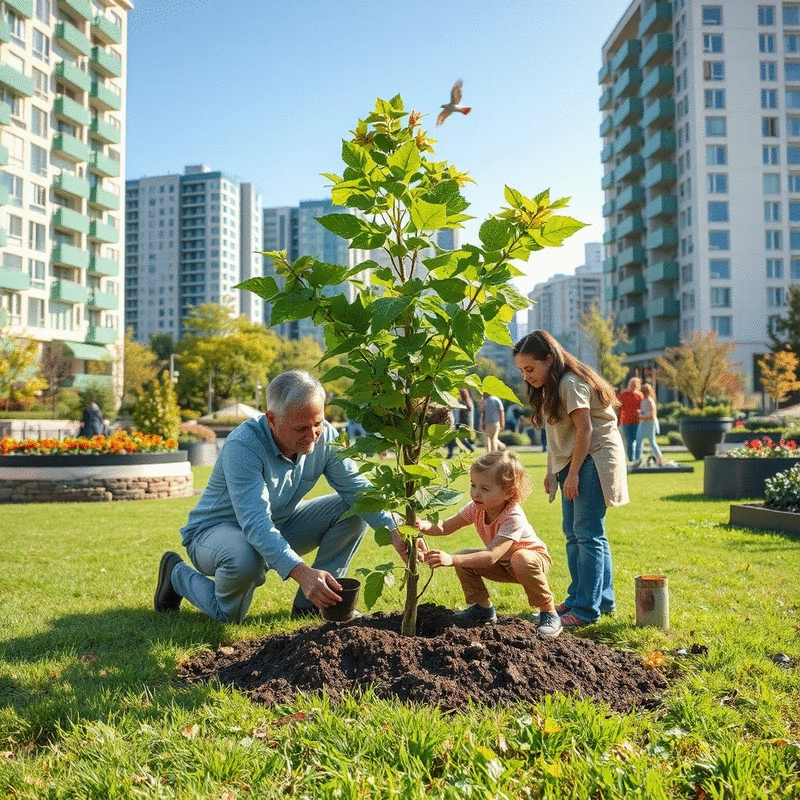
Air Quality Improvement
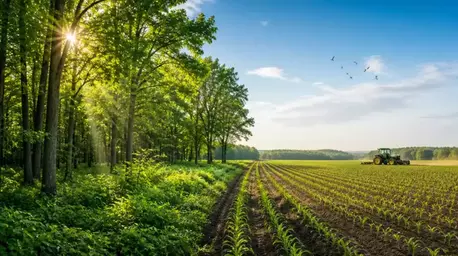
Trees filter harmful pollutants and provide fresh oxygen, leading to healthier urban environments.
As cities grow, the significance of urban trees becomes increasingly apparent. They are not just ornamental; they are vital for improving air quality, providing shade, and fostering community well-being. By understanding their importance, we can better advocate for and engage in urban forestry initiatives that benefit everyone.
Urban trees provide numerous benefits that enhance city living, as illustrated below. For more insights on maintaining healthy urban flora, consider exploring nurturing trees for healthier growth.
Trees filter harmful pollutants and provide fresh oxygen, leading to healthier urban environments.
A dense tree canopy can lower urban temperatures by up to 10°F, reducing energy costs.
Trees absorb rainwater, helping to prevent urban flooding and manage stormwater effectively.
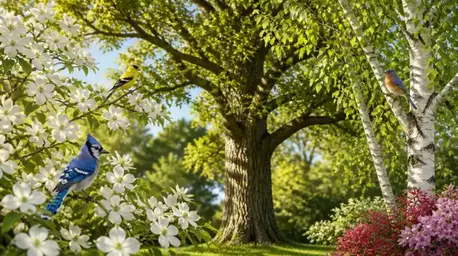
Urban trees provide habitats for wildlife, promoting biodiversity within city environments.
As we navigate urban life, it’s easy to overlook the essential role that trees play in our cities. Urban trees do more than just beautify our streets; they significantly enhance air quality and help combat urban heat. Imagine walking through a city park on a hot day, surrounded by shady trees. They not only cool the air but also filter pollutants, making our environment healthier. At Timber & Thrive, I believe that every tree contributes to a vibrant community and a sustainable future!
The urban tree canopy is crucial for creating a livable city. It acts as a natural air conditioner, lowering temperatures and reducing energy costs. Studies have shown that areas with a rich tree canopy enjoy improved air quality and enhanced mental well-being among residents. It also plays a significant role in stormwater management by absorbing rain and reducing runoff. This means healthier streets and less flooding!
Moreover, urban trees provide habitats for various wildlife, promoting biodiversity. When we advocate for tree planting, we advocate for a thriving ecosystem, making our cities not just areas of concrete but vibrant habitats that support life! For more on sustaining these vital green spaces, check out our insights on sustainable urban tree care tips.
When people search for urban tree planting tips, they're typically looking for practical guidance tailored to their specific environments. Whether it's choosing the right species or understanding local regulations, users want actionable insights that fit their unique situations. They might be asking questions like, “Which trees grow best in my area?” or “How do I plant a tree near my home?”
At Timber & Thrive, I strive to provide resources that address these queries, empowering individuals to plant trees confidently and effectively. By understanding the intent behind their searches, we can better engage with our community and foster a love for urban forestry!
Selecting the right site for urban tree planting is fundamental to ensuring the success of your trees. Urban environments often present unique challenges, such as compacted soils and limited space. Therefore, understanding how to evaluate these conditions can set the stage for healthy, thriving trees!
Here's a brief recap of the key points discussed so far:
Urban forestry is not just about planting trees; it’s about integrating tree planting into the broader framework of urban planning. By considering how trees can play a role in climate adaptation strategies, we can create cities that are not only greener but also more resilient to environmental challenges. For instance, incorporating trees into stormwater management systems can help reduce flooding and improve water quality. Imagine a neighborhood where rainwater is absorbed by thriving trees instead of running off into drains!
At Timber & Thrive, we believe that collaboration is key. When communities come together to plant trees, they are also engaging in climate adaptation efforts. This means designing green infrastructure that supports both trees and the urban ecosystem. By planting strategically, we can enhance biodiversity, improve air quality, and create spaces that everyone can enjoy. To learn more about how crucial soil health is for these initiatives, read our article on soil health for sustainable tree planting.
Community involvement is essential to the success of urban forestry initiatives. Local residents can play a significant role in monitoring tree health and advocating for green spaces. When communities are engaged, they foster a sense of ownership over their environment, which leads to better tree care practices and a thriving urban canopy.
Connecting with neighbors encourages collaboration and builds a community that is invested in its green spaces. At Timber & Thrive, we frequently host events that bring people together to plant trees and share their passion for sustainability. These events not only beautify neighborhoods but also strengthen community bonds.
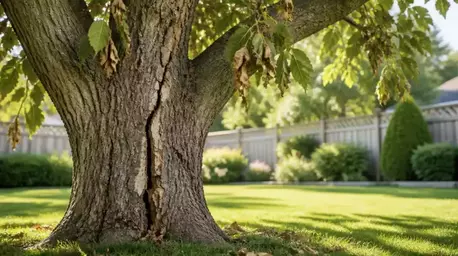
Urban trees face unique challenges, from pests to diseases that can threaten their survival. Identifying these issues early is crucial for maintaining healthy trees in our cities. Some common problems include:
By understanding these threats, we can implement preventative measures and proactive care. At Timber & Thrive, we emphasize education around these issues to empower community members to take action. Knowledge is a powerful tool in the fight against urban tree health problems!
When planting trees in urban areas, it’s essential to consider the potential damage to infrastructure. Tree roots can extend far beyond the visible tree canopy, and if not managed properly, they may disrupt sidewalks, driveways, and even foundations. To minimize risks, here are some precautions to take:
Being mindful of infrastructure allows us to plant trees that enhance our communities without compromising the safety and functionality of urban spaces. It’s all about finding that balance!
Urban heat islands are a significant concern in cities, where concrete and asphalt absorb heat, raising temperatures. One of the best ways to combat this is through strategic tree planting. Trees provide shade and release moisture, which cools the surrounding area. Consider these benefits:
By thoughtfully planting trees in urban areas, we can create cooler, more pleasant spaces. It’s a win-win for the environment and for the communities we live in! To discover more about selecting the best trees for your area, consider our guide on choosing native trees for planting.
Navigating urban planting regulations can be daunting, but having the right resources makes it manageable. At Timber & Thrive, we provide downloadable checklists and guides to help you through the process. Whether you need to acquire permits or understand local planting guidelines, these resources are designed to assist you!
Long-term sustainability is essential for the health of urban forests. Implementing practices that prioritize tree care can significantly enhance the longevity of our urban trees. Here are some practices to consider:
By focusing on sustainable management, we can ensure that urban trees thrive for generations to come, creating a legacy of green spaces for future city dwellers.
The right tree species can make all the difference in urban landscapes. Tree selection guides help you choose species based on hardiness zones and local environmental conditions. These resources take the guesswork out of planting, ensuring that you select the best trees for your area!
Utilizing these guides means not only planting trees that will thrive but also enhancing the biodiversity and beauty of urban spaces. Are there local resources you can tap into? Let’s explore what’s around you!
Education and engagement are vital components of successful urban forestry initiatives. By encouraging community involvement in ongoing research and monitoring, we can make informed decisions that benefit our urban trees. Workshops, seminars, and community events can foster greater awareness and participation. For those interested in starting local projects, read about starting a community tree project.
Are you ready to take action? Join local tree planting events or advocacy programs to make a difference in your urban community. At Timber & Thrive, we welcome passionate individuals who want to contribute to a greener future. Together, we can cultivate thriving urban forests that benefit us all! Let’s get started—one tree at a time!
A: Urban trees are vital because they improve air quality by filtering pollutants, provide shade to reduce urban temperatures, help manage stormwater, and support biodiversity by offering habitats for wildlife. They also contribute to community well-being and reduce energy costs.
A: A dense tree canopy can lower urban temperatures by up to 10°F. Trees provide shade, reducing the amount of heat absorbed by concrete and asphalt, and release moisture through evapotranspiration, which has a cooling effect on the surrounding area.
A: Urban trees often face challenges such as pests (aphids, scale), diseases (fungal infections), and environmental stresses like pollution, compacted soil, and urban heat. Infrastructure damage risks from aggressive root systems are also a concern.
A: Community involvement is crucial. Residents can participate in tree care workshops, volunteer for tree planting and maintenance programs, and use online platforms to report tree health issues. Local engagement fosters a sense of ownership and leads to better tree care.
A: Urban heat islands are metropolitan areas that are significantly warmer than their surrounding rural areas due to human activities and materials like concrete and asphalt absorbing and retaining heat. Strategic tree planting helps mitigate this by providing shade and releasing moisture, which cools surface temperatures and reduces the need for air conditioning.
Here is a quick recap of the important points discussed in the article:
Celia Greenwood is a dedicated environmentalist and tree care expert with a passion for promoting sustainable practices. With years of experience in eco-friendly planting and tree preservation, Celia aims to educate and inspire others to embrace environmentally conscious choices. Her mission is to foster a community that values trees as vital components of our ecosystem, ensuring a greener future for generations to come.