Frequency
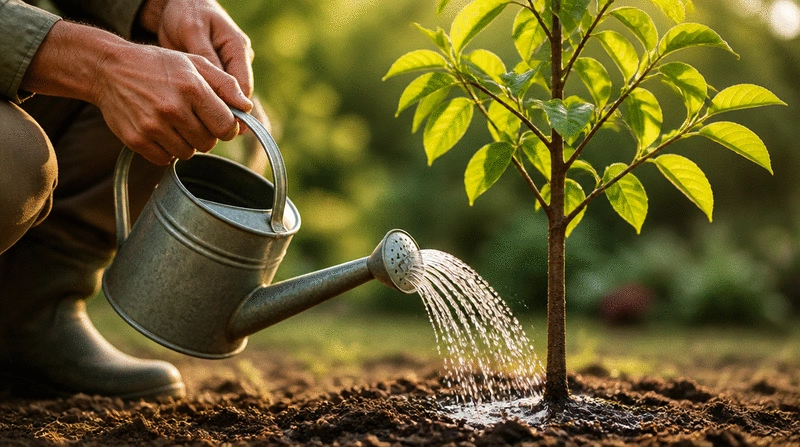
Water once or twice a week, adjusting based on local weather conditions.
Did you know that young trees can be particularly vulnerable during dry spells? Proper watering techniques are vital for their growth and stability. Understanding the needs of young trees not only contributes to their health but also supports a healthier environment overall. Dive in to discover essential practices that can help you become an effective caregiver for these vital resources.
To ensure the healthy growth of young trees, follow this simple watering checklist. For more comprehensive guidance on overall tree health, explore our resources on nurturing trees for healthier growth.
Water once or twice a week, adjusting based on local weather conditions.
Apply 10 gallons of water for every inch of trunk diameter.
Water in the early morning to minimize evaporation.
Check soil moisture at least once a week to determine watering needs.
As we embrace the beauty of nature, it’s essential to recognize that young trees need our help, especially during dry spells. Watering is a crucial aspect of tree care, and at Timber & Thrive, we advocate for sustainable practices that ensure these young saplings thrive. If you’re not sure how to support their growth, don’t worry—let's dive into the key elements of effective watering!
Have you noticed your young trees looking a little droopy? Drought stress can manifest in various ways, and it's important to recognize the signs early. Common symptoms include wilting leaves, discoloration, and stunted growth, which can lead to lasting damage if not addressed promptly.
Understanding these symptoms can help you take action before it’s too late. When a tree is thirsty, it can’t perform essential functions like photosynthesis, which means it struggles to grow and establish strong roots. Just imagine a tree trying to survive with insufficient water—it's a challenging journey!
To effectively care for your young trees, look out for these signs of water deficiency:
Being proactive about these signs can help ensure that your trees receive the right amount of water and stay healthy. Remember, at Timber & Thrive, we believe that nurturing young trees is a shared responsibility! You can find more tips on recognizing signs your trees are stressed in our detailed guide.
When young trees experience prolonged drought, the impacts can be severe. Not only does drought stunt their growth, but it also weakens their overall health. A stressed tree becomes more susceptible to pests and diseases, which can hinder its chances of survival.
Moreover, trees that don’t receive adequate water may develop shallow root systems, making them unstable during storms or strong winds. This is why it’s vital to monitor water levels and act swiftly when drought conditions arise. Let’s protect these young trees together!
Did you know that not all tree species have the same tolerance to drought? Some trees thrive in dry conditions, while others struggle. Here are a few examples of drought-tolerant species you might consider planting:
Choosing the right species can make a significant difference in your success as a tree caregiver. At Timber & Thrive, we’re here to help you select and nurture trees that will flourish in your local environment. Together, we can make a difference for our planet!
Did you know? Consistency is key when it comes to watering young trees. Establishing a regular watering routine not only helps the trees adapt to their environment but also enhances their resilience against drought. Consider using a soil moisture meter to gauge the moisture levels in the soil accurately—this can prevent overwatering and ensure your trees are getting just what they need!
Caring for young trees during dry weather can seem daunting, but it’s incredibly rewarding! At Timber & Thrive, we believe that understanding how to properly water your trees not only helps them grow but also contributes to a healthier environment. By taking a few simple steps, you can create a tailored approach that fosters the growth and stability of these vital resources.
One of the keys to effective tree care is establishing a personalized watering schedule. This allows you to monitor your young trees' needs based on their specific surroundings and growth patterns. Remember, every tree is unique, and adapting your approach will promote their success in challenging weather conditions. For more insights into tailoring your approach, consider our article on sustainable care for new trees.
To help you devise an efficient watering routine, consider the following strategies:
By implementing these straightforward practices, you’ll ensure that your young trees receive the hydration they need to thrive. Another helpful tool you can introduce is a watering checklist. This checklist can outline when and how much to water, making the process more manageable.
Here’s a simple checklist to get you started:
Using visuals like charts or calculators can also enhance your water management strategy. These tools can help you visualize the amount of water your young trees require, making it easier to stay consistent!
Consider using:
Lastly, moisture sensors can be a game-changer for precise watering practices. These devices take the guesswork out of watering, ensuring that you provide the right amount of moisture at the right time. They are an excellent tool for promoting sustainable tree care practices.
As we continue to prioritize tree health, it's important to engage in continual learning and adaptation. Each season brings its own challenges, and being informed will help us navigate them effectively. Embrace a mindset of growth—not just for your trees but for yourself as a caregiver!
To support your journey in caring for young trees, consider these practices:
At Timber & Thrive, we’re dedicated to promoting conservation practices that make a real difference. By implementing these strategies, you’re not just caring for young trees; you’re fostering a community and making positive changes for our planet! Together, let’s nurture our trees and ensure a greener future for generations to come. For further reading, explore how to incorporate natural tree care tips into your routine.
Here is a quick recap of the important points discussed in the article:
Celia Greenwood is a dedicated environmentalist and tree care expert with a passion for promoting sustainable practices. With years of experience in eco-friendly planting and tree preservation, Celia aims to educate and inspire others to embrace environmentally conscious choices. Her mission is to foster a community that values trees as vital components of our ecosystem, ensuring a greener future for generations to come.