Tropical Forests and Earth’s Balance
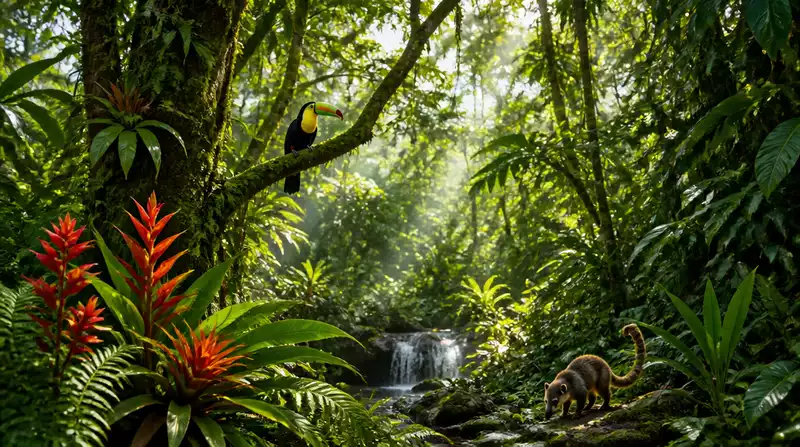
Did you know that tropical forests, which cover only 7% of the Earth's surface, house approximately 50% of the world's plant and animal species? Their significance extends beyond biodiversity; they are vital for climate regulation, water cycles, and even human health. Understanding their multifaceted importance is essential for fostering a sustainable future.
What You Will Learn
- Tropical forests are critical carbon sinks, absorbing a significant portion of global carbon emissions and helping to mitigate climate change.
- They support an extraordinary level of biodiversity, serving as habitats for about half of the Earth's plant and animal species.
- The health of tropical forests is directly linked to climate resilience, impacting weather patterns and local agriculture.
- Forests play a crucial role in water purification and soil fertility, acting as natural filters and enhancing groundwater supplies.
- Tropical forests provide numerous human benefits, from medicinal plants to economic livelihoods through sustainable resources and ecotourism.
- Deforestation and habitat loss threaten both biodiversity and climate health, making conservation efforts vital for the future.
- Individual and community initiatives, such as tree planting and supporting conservation organizations, can significantly impact forest protection.
- Understanding the interconnectedness of tropical forests with global ecosystems can inform better conservation policies and practices.
Significance of Tropical Forests: Key Statistics
Tropical forests play a vital role in maintaining planetary health, serving as carbon sinks and biodiversity hotspots. Here are some important statistics related to their significance:
Carbon Storage
Tropical forests store over 25% of the world’s carbon.
Biodiversity Hotspots
They are home to more than 50% of the Earth's terrestrial biodiversity.
Water Regulation
They play a vital role in regulating rainfall and maintaining water quality.
Economic Contributions
Tropical forests contribute more to ecotourism and sustainable resources compared to northern forests.
The Significance of Tropical Forests for Planetary Health
Tropical forests are often referred to as the lungs of our planet, and for a good reason! These vibrant ecosystems are crucial not just for their beauty but for their significant impact on the health of our planet. As an environmentalist and tree care expert, I believe understanding the role of tropical forests is essential to fostering a sustainable future. Let’s explore how these forests contribute to climate regulation, biodiversity, and much more! For more insights on how to maintain healthy trees, consider our guide on nurturing trees for healthier growth.
Understanding the Role of Tropical Forests in Climate Regulation
Tropical forests play a pivotal role in climate regulation by acting as massive carbon sinks. They absorb carbon dioxide from the atmosphere, which helps mitigate climate change. This natural process is vital, especially as we face rising global temperatures. By protecting and restoring these forests, we can enhance their capacity to sequester carbon, creating a healthier environment for all.
How Tropical Forests Function as Carbon Sinks
When we think of carbon sinks, tropical forests should come to mind. These forests absorb a significant portion of the world's carbon emissions through photosynthesis. Here’s how they do it:
- Photosynthesis: Trees take in carbon dioxide and release oxygen, making them crucial for maintaining air quality.
- Soil Carbon Storage: The organic matter in forest soil retains carbon, further enhancing its role as a carbon sink.
- Growth Rate: Fast-growing species in tropical forests can absorb carbon more quickly than slower-growing species.
By understanding these functions, we can appreciate why protecting tropical forests is essential for our climate! It’s not just about trees; it’s about ensuring a stable and thriving planet.
The Impact of Carbon Sequestration on Global Temperatures
Carbon sequestration in tropical forests has a direct impact on global temperatures. When forests properly sequester carbon, they help lower the amount of greenhouse gases in the atmosphere. This is crucial because:
- Temperature Regulation: Reducing greenhouse gases can lead to a stabilization of global temperatures.
- Weather Patterns: Healthy forests contribute to more predictable weather patterns, benefiting agriculture and local communities.
- Climate Resilience: They enhance the resilience of ecosystems to adapt to climate change impacts.
As we work towards a greener future at Timber & Thrive, it’s vital to recognize the connection between carbon sequestration and climate health. Together, we can advocate for practices that support these crucial ecosystems! This also includes understanding deforestation's role in climate change and how to mitigate it.
Biodiversity: The Essential Habitat of Tropical Ecosystems
Biodiversity is one of the most significant attributes of tropical forests, serving as a vibrant habitat for countless species. These ecosystems are home to approximately 50% of the world's plant and animal species, despite covering only 7% of the Earth's surface. The intertwining relationships between various organisms contribute to ecosystem stability and resilience!
Species Diversity and Its Importance for Ecosystem Stability
The variety of species found in tropical forests plays a critical role in maintaining ecosystem balance. Diverse species contribute to:
- Pollination: Various animals and insects help pollinate plants, ensuring their reproduction.
- Food Webs: A wide array of species creates complex food webs that support the entire ecosystem.
- Genetic Diversity: Diverse populations are more resilient to diseases and environmental changes.
As I look at the lush ecosystems we have the privilege of protecting, it’s clear that every species has a role to play. When we lose biodiversity, we risk the stability of these habitats. Let’s work together to foster and protect this incredible diversity!
The Role of Tropical Forests in Wildlife Conservation
Tropical forests are vital for wildlife conservation, serving as crucial habitats for many endangered species. These forests provide food, shelter, and breeding grounds for a wide range of wildlife, including:
- Birds: Many migratory and resident bird species rely on tropical forests for nesting and feeding.
- Mammals: From majestic jaguars to playful monkeys, these forests support a rich tapestry of mammalian life.
- Insects: A diverse range of insects plays critical roles in pollination and decomposition.
Protecting tropical forests means safeguarding these animals and their habitats. At Timber & Thrive, we emphasize the importance of biodiversity and its contribution to a thriving planet.
Endangered Species and Their Survival in Tropical Ecosystems
Unfortunately, many species found in tropical forests are endangered due to habitat loss and climate change. The survival of these species is closely linked to the health of their ecosystems. Here are some insights into this critical issue:
- Habitat Loss: Deforestation threatens the homes of countless endangered species.
- Climate Change: Altered climates impact species' survival rates and habitats.
- Conservation Efforts: Initiatives aimed at preserving tropical forests can significantly impact these species’ chances of survival.
As we engage in tree care and planting, let’s remember the impact our actions can have on these vulnerable populations. We hold the power to make a difference!
Water Cycle and Rainfall: The Interconnectedness of Ecosystems
The water cycle is intricately connected to tropical forests, influencing regional weather patterns and rainfall distribution. These forests play a vital role in maintaining the balance of our planet’s water resources!
Evapotranspiration and Its Effects on Regional Weather Patterns
Evapotranspiration is the process by which water is transferred from the land to the atmosphere. In tropical forests, this process has significant effects:
- Local Climate Regulation: Evapotranspiration helps regulate local temperatures, making areas cooler and more hospitable.
- Moisture Recycling: Water vapor released contributes to cloud formation and subsequent rainfall.
- Drought Mitigation: Healthy forests help maintain moisture levels, reducing the risk of drought.
Understanding this process emphasizes the importance of preserving these ecosystems at Timber & Thrive. They are not just trees; they are vital players in our planet's water cycle! For further reading, explore how forest loss can lead to rainfall disruption.
Cloud Formation and Rainfall Distribution Linked to Forests
Clouds and rainfall are directly influenced by the presence of tropical forests. They act as natural water producers, shaping the climate in several ways:
- Humidity Control: Forests maintain humidity levels, which are essential for cloud formation.
- Rainfall Patterns: The presence of forests can enhance rainfall in surrounding areas.
- Microclimates: Tropical forests create microclimates, influencing local weather conditions.
As stewards of the environment, let’s advocate for the protection of tropical forests to support this essential process. Together, we can ensure that our planet continues to thrive!
The Importance of Forests in Water Purification and Soil Fertility
Forests are not just important for rainfall; they are also crucial for water purification and maintaining soil fertility. They act as natural filters, improving the quality of water that flows into our rivers and streams. Here’s how:
- Filtration: Forests filter pollutants and excess nutrients from runoff, ensuring cleaner water.
- Soil Enrichment: Leaf litter and organic matter enrich the soil, promoting healthy tree growth and biodiversity.
- Groundwater Recharge: Forests help in recharging groundwater supplies, supporting ecosystems and human needs.
As we reflect on the interconnectedness of ecosystems, it's clear that protecting our forests is essential for maintaining a healthy planet. At Timber & Thrive, we believe that every action counts in this collaborative effort!
Human Benefits from Tropical Forests: Beyond Nature
Tropical forests provide countless benefits to humans, going beyond their ecological importance. They contribute to our health, economies, and overall well-being!
Medicinal Plants and Their Contribution to Human Health
Many of the medicines we use today are derived from plants found in tropical forests. These natural resources are invaluable for:
- Traditional Medicine: Indigenous communities have relied on forest plants for medicinal purposes for centuries.
- Pharmaceutical Research: Numerous pharmaceutical products are developed from compounds found in tropical plants.
- Health Benefits: Access to diverse plant species can lead to new treatments and improved health outcomes!
The conservation of tropical forests is vital for continuing these benefits. By protecting these ecosystems, we’re also safeguarding our health!
Economic Livelihoods: The Role of Forests in Local Economies
Tropical forests are essential for the economic livelihoods of many communities. They provide a range of resources that support local economies, including:
- Timber Production: Sustainable logging can generate income while ensuring forest health.
- Non-Timber Forest Products: Items like nuts, fruits, and resins provide additional income sources.
- Employment Opportunities: The forest industry creates jobs, supporting families and communities.
At Timber & Thrive, we recognize that sustainable practices not only protect our environment but also enhance economic stability for communities dependent on these forests.
Ecotourism as a Sustainable Development Strategy
Ecotourism is an exciting and sustainable way to benefit from tropical forests while promoting conservation. It encourages responsible travel experiences that protect the environment and support local communities. Here’s how:
- Awareness and Education: Ecotourism raises awareness about the importance of forests and biodiversity.
- Economic Support: It generates income for local communities and conservation efforts.
- Conservation Funding: Profits from ecotourism can be reinvested into forest conservation projects.
As we explore the beauty of our planet, let’s prioritize ecotourism to ensure that future generations can enjoy these precious ecosystems!
Threats to Tropical Forests: Understanding the Challenges
While tropical forests are invaluable, they face numerous threats that jeopardize their health and existence. Understanding these challenges is the first step in addressing them!
Deforestation and Its Consequences for Biodiversity and Climate
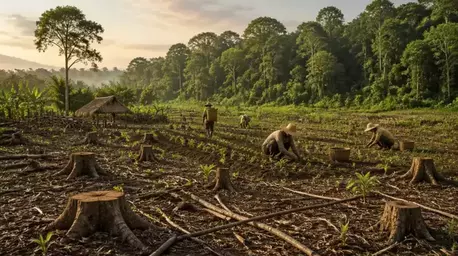
Deforestation is one of the most pressing threats to tropical forests. It leads to habitat loss, which has dire consequences:
- Biodiversity Loss: Many species lose their habitat, leading to declines in population and extinction.
- Climate Change: Deforestation contributes to increased carbon emissions, worsening climate change.
- Disruption of Water Cycles: The removal of trees affects local and global water cycles.
At Timber & Thrive, we aim to raise awareness about these issues. Together, we can advocate for practices that protect our forests and the biodiversity they support!
Habitat Loss and Its Impact on Genetic Diversity
As habitats are lost, we see a significant decline in genetic diversity among species. This loss poses serious risks, such as:
- Inbreeding: Reduced genetic diversity leads to inbreeding, which can compromise species' health.
- Vulnerability to Disease: Species with low genetic diversity are more susceptible to diseases.
- Loss of Ecosystem Services: Diverse ecosystems provide essential services, and their decline can disrupt these functions.
Let’s work together to protect habitats and maintain the rich genetic diversity that supports vibrant ecosystems!
Restoration Limits: The Fight Against Fragmentation
Forest fragmentation is another significant threat, making it difficult for wildlife to thrive. Here are some impacts of fragmentation:
- Isolation of Species: Fragmented habitats can isolate populations, hindering their ability to reproduce.
- Edge Effects: Increased exposure to sunlight and wind can alter the microclimate, affecting flora and fauna.
- Invasive Species: Fragmented areas may become more susceptible to invasions, further threatening native species.
Addressing fragmentation is key to restoring ecosystems, and at Timber & Thrive, we believe community engagement is essential for successful restoration efforts!
Practical Actions for Conservation: What Can Be Done?
We all have a role to play in the conservation of tropical forests! Here are some practical actions we can take to support these vital ecosystems:
Individual and Community Initiatives to Protect Tropical Forests
Everyone can contribute to the protection of tropical forests. Here are some ideas:
- Plant Trees: Start a tree-planting initiative in your community.
- Educate Others: Share information about the importance of tropical forests with friends and family.
- Support Conservation Organizations: Join or donate to organizations that work towards forest conservation!
At Timber & Thrive, we believe that individual actions can lead to significant change. Together, we can create a movement that protects our precious forests!
Tree Planting Initiatives and Ecosystem Restoration Efforts
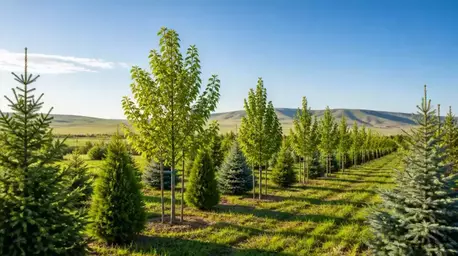
Participating in tree planting and restoration efforts can have a lasting impact. Here are ways you can get involved:
- Volunteer: Join local groups focused on planting trees in deforested areas.
- Start a Community Garden: Promote biodiversity through native plants in your local community.
- Advocate for Reforestation: Support policies and initiatives focused on restoring degraded lands.
Each effort helps rebuild our forests and restores the vital functions they provide. Let’s take action for the Earth!
Policy Recommendations for Sustainable Management of Forest Resources
Policy plays a crucial role in ensuring sustainable forest management. Here are some recommendations:
- Protect Existing Forests: Enforce laws that prevent illegal logging and habitat destruction.
- Promote Sustainable Practices: Encourage sustainable logging and land usage practices.
- Invest in Conservation: Allocate funding for conservation and restoration projects.
By advocating for strong policies, we can create a safer future for our forests and all the life they support. Together, we can influence change! For more information on influencing change through policy, see our discussion on biodiversity's role in forest conservation.
Why Tropical Forests Matter Globally: A Data-Driven Overview
Tropical forests are crucial for the planet, and the data speaks volumes! Understanding their global importance helps us appreciate why we must protect them:
Statistics Highlighting the Global Importance of Tropical Forests
Here are some eye-opening statistics:
- Carbon Storage: Tropical forests store over 25% of the world’s carbon.
- Biodiversity Hotspots: They are home to more than half of the Earth's terrestrial biodiversity.
- Water Regulation: They play a vital role in regulating rainfall and maintaining water quality.
These figures should motivate us to take action to protect and restore these ecosystems. It’s about our planet’s health — and our future!
Comparative Analysis of Forest Benefits Across Regions
While all forests provide benefits, tropical forests offer unique advantages. Here’s a quick comparison:
- Northern vs. Tropical: While northern forests are vital, tropical forests support greater biodiversity.
- Economic Contributions: Tropical forests contribute more to ecotourism and sustainable resources.
- Cultural Importance: Indigenous cultures often rely on tropical forests for their way of life and traditions.
Understanding these differences helps us prioritize conservation efforts effectively. Let’s celebrate and protect the unique contributions of tropical forests!
The Economic Value of Forests and Carbon Credits
The economic value of forests cannot be overstated! They provide numerous benefits, including:
- Timber and Non-Timber Products: These resources contribute billions to the global economy.
- Carbon Credits: Protecting forests can generate revenue through carbon credit trading.
- Job Creation: Sustainable forest management creates jobs and supports local communities.
By recognizing the economic value of forests, we can better advocate for their preservation and promote sustainable practices. Together, we can ensure that our forests thrive for generations to come!
Pro Tip
Did you know? Engaging in community tree planting not only helps restore tropical forests but also fosters a sense of community and environmental stewardship. Consider organizing or participating in local events that focus on reforestation efforts—it's a powerful way to contribute to the health of our planet!
Engaging with the Importance of Tropical Forests
It's crucial to connect with the significance of tropical forests in a way that's both informative and inspiring. These lush, vibrant ecosystems are often referred to as the lungs of our planet, and they are much more than just a collection of trees. They play a vital role in regulating our climate, supporting biodiversity, and providing essential resources for human survival.
Frequently Asked Questions about Tropical Forests
Many people have questions about tropical forests, and it's important to address them. Understanding these aspects can help us appreciate why we should protect these valuable ecosystems. Here are some commonly asked questions:
- How do Tropical Forests Affect Rainfall Patterns? Tropical forests play a significant role in the water cycle, contributing to local and regional rainfall. Through processes like evapotranspiration, they release moisture into the atmosphere, which can lead to cloud formation and precipitation.
- Why are Tropical Forests Crucial for Human Survival? They provide essential resources, such as food, medicine, and clean water. By preserving these forests, we ensure that future generations have access to the benefits they offer, including traditional knowledge from indigenous communities.
- What Role Do Indigenous Peoples Play in Forest Conservation? Indigenous peoples are the stewards of tropical forests. Their deep understanding of local ecosystems and sustainable practices makes them vital allies in conservation efforts. Supporting their rights and knowledge is key to effective forest management.
- What are the main threats to tropical forests? The primary threats include deforestation due to agriculture, logging, mining, and infrastructure development. Climate change also exacerbates these issues, leading to altered weather patterns and increased risks of fires.
- How can individuals contribute to tropical forest conservation? Individuals can support conservation efforts by making sustainable choices in their consumption habits, donating to reputable conservation organizations, participating in tree-planting initiatives, and advocating for stronger environmental policies.
Summary of the Critical Role Tropical Forests Play on Earth
In summary, tropical forests are interconnected with aspects of our lives in ways we may not always recognize. They contribute to climate stability, foster biodiversity, and support human well-being. At Timber & Thrive, I believe that by understanding these connections, we can take meaningful steps toward conservation.
Recap of Climate, Biodiversity, and Human Welfare Connections
The interplay between tropical forests and our world is profound. Here's a quick recap of their critical roles:
- Climate Regulation: They act as carbon sinks, helping to mitigate climate change.
- Biodiversity Support: They harbor a wide array of species, maintaining ecosystem balance.
- Human Welfare: They provide resources essential for health and livelihoods.
Call to Action: Join the Movement for Tropical Forest Conservation
Now that we understand the importance of tropical forests, it’s time to act! Let's come together to protect these vital ecosystems. Here’s how you can help:
- Educate Yourself: Learn more about tropical forests and their benefits.
- Support Local Initiatives: Get involved in conservation programs in your community.
- Advocate for Policy Change: Support sustainable practices that protect forests at the governmental level.
Every action counts! Together, we can make a difference in the fight against deforestation and promote a healthier planet. Share your thoughts and ideas with friends and family—let’s cultivate a thriving future for our tropical forests and all the life they support! For more tips on community action, check out our guide on starting a community tree project.
Recap of Key Points
Here’s a concise recap of the important points discussed in the article:
- Climate Regulation: Tropical forests serve as vital carbon sinks, absorbing significant amounts of carbon dioxide from the atmosphere.
- Biodiversity Hotspots: They host approximately 50% of the world's plant and animal species, playing a crucial role in ecosystem stability.
- Water Cycle Contribution: Tropical forests influence rainfall patterns and maintain local climates through processes like evapotranspiration.
- Human Benefits: These forests provide essential resources, including food, medicine, and clean water, contributing to human health and economic livelihoods.
- Conservation Efforts: Active participation in tree planting, supporting local initiatives, and advocating for policy changes are critical for protecting tropical forests.

Celia Greenwood
Celia Greenwood is a dedicated environmentalist and tree care expert with a passion for promoting sustainable practices. With years of experience in eco-friendly planting and tree preservation, Celia aims to educate and inspire others to embrace environmentally conscious choices. Her mission is to foster a community that values trees as vital components of our ecosystem, ensuring a greener future for generations to come.