Improve Air Quality
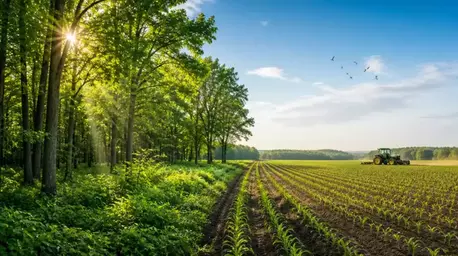
Trees act as natural air filters by capturing pollutants and producing oxygen.
Have you ever considered the profound impact a single tree can have on our environment? Planting trees sustainably is not just beneficial for your garden, but also for the planet. Join us as we explore the essential techniques and insights that can transform your gardening efforts into a powerful tool for ecological balance.
The importance of sustainable practices in gardening can be summarized in three key environmental benefits:
Trees act as natural air filters by capturing pollutants and producing oxygen.
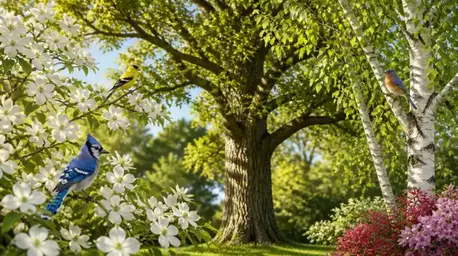
Diverse tree species provide food and shelter, fostering rich ecosystems.
Through carbon sequestration, trees help reduce greenhouse gases in the atmosphere.
As we look at our gardens, it’s important to recognize the role that sustainable tree planting plays in creating a healthier environment. At Timber & Thrive, we believe that every tree we plant contributes to a greater ecological balance. By employing sustainable practices, we can enhance carbon sequestration and support local biodiversity, ensuring our gardens not only thrive but also bolster our planet’s health. You can learn more about nurturing trees for healthier growth here.
Sustainable gardening is about making choices that benefit both our personal spaces and the broader ecosystem. Trees are incredible allies—they absorb carbon dioxide, release oxygen, and provide habitats for wildlife. It’s amazing to think about the positive impact a single tree can have on our air quality and soil health, helping us all breathe a little easier.
Embracing sustainable gardening practices isn’t just a trend; it’s a necessity for our planet's future. By planting trees sustainably, we can:
At Timber & Thrive, we encourage everyone to consider how their gardening practices can positively affect the environment. By planting trees sustainably, we not only beautify our surroundings but also promote a healthier planet for future generations. This includes understanding the importance of soil health for sustainable tree planting.
Before you start planting, it’s essential to clarify what you hope to achieve with your tree planting efforts. By setting clear goals, you can select the right trees that meet your needs. Here are some common objectives:
Reflect on what you want to accomplish with your garden. Whether it’s providing shade on a sunny day, creating a haven for local wildlife, or reaping the rewards of homegrown fruit, your goals will guide your tree choices and planting techniques.
Once you’ve set your goals, the next step is to ensure that your trees thrive in their new home. Tree planting may seem straightforward, but a few essential steps can make all the difference in your garden’s success. Let's dive into the foundational aspects of proper tree planting!
Choosing the right location for your trees is crucial to their long-term health and growth. Here are some factors to consider when evaluating your planting site:
By carefully assessing your garden’s conditions, you can select the best location for your trees, promoting their health and growth right from the start. For insights on what trees might be best, consider choosing native trees for planting.
A healthy garden begins with quality soil. Testing your soil conditions will give you valuable insights into its health. Here are some tips to assess soil quality:
By ensuring the right soil conditions, we can give our trees a strong foundation to grow on, leading to vibrant and flourishing landscapes.
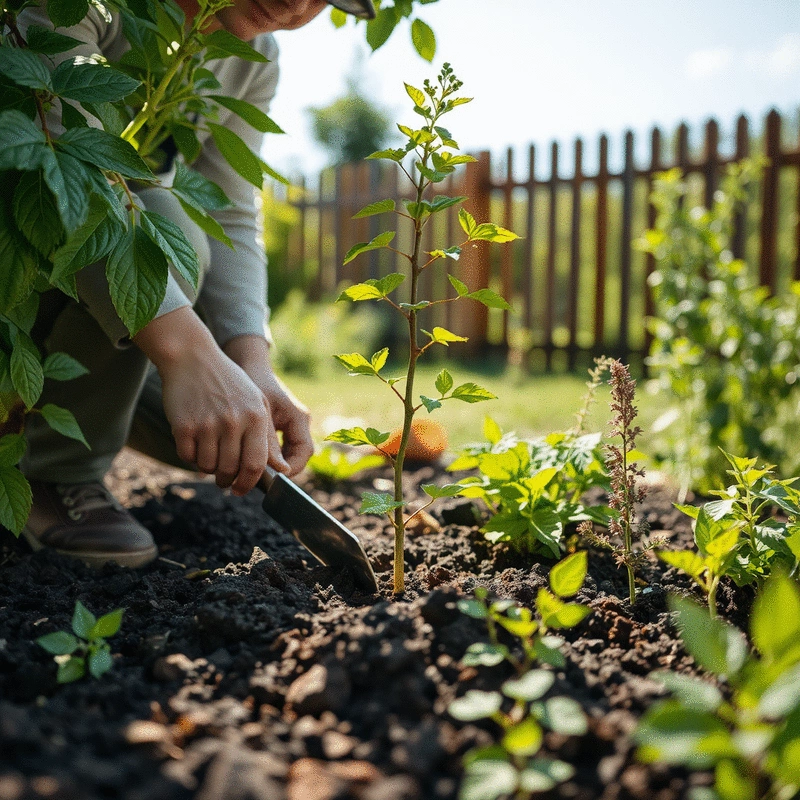
Now that you’ve evaluated your site and soil, it’s time to prepare for planting! Proper preparation ensures that your trees have the best start possible. Here’s how to do it:
By following these steps, we can minimize transplant shock and give our trees a robust start in their new environment.
Even seasoned gardeners can make mistakes when planting trees! Here are some frequent errors to avoid:
A little attention to detail goes a long way in successful tree planting. By avoiding these mistakes, we can set our trees up for thriving growth!
When selecting trees for your garden, consider choosing native species. Native trees are better adapted to your local environment, requiring less water and maintenance while supporting local wildlife. This not only enhances your garden's resilience but also contributes to the preservation of local ecosystems!
A1: Sustainable tree planting offers several key benefits, including improving air quality by filtering pollutants and producing oxygen, supporting wildlife by providing food and shelter, and combating climate change through carbon sequestration.
A2: To choose the right trees, first identify your goals (e.g., shade, wildlife habitat, fruit production). Then, assess your site for sunlight exposure, soil drainage, and proximity to structures. Consider native species as they are well-adapted to local environments.
A3: Common mistakes include planting too deep (which can suffocate roots), not packing soil well enough (leading to air pockets that dry out roots), and neglecting to water thoroughly immediately after planting. Ensure the root flare is visible above the soil line.
A4: You can assess soil quality by testing its pH level using a soil test kit (aim for 6.0-7.0 for most trees), checking drainage by digging a 12-inch hole and seeing if water drains within a few hours, and inspecting the soil texture to ensure it's loamy and nutrient-rich.
A5: Community engagement inspires others, fosters discussions about sustainable practices, and allows for shared learning. Joining gardening clubs, attending workshops, or participating in online forums can create a robust network dedicated to enhancing local ecosystems.
In this journey of sustainable tree planting, we’ve explored many valuable techniques that can make a significant difference in our gardens and the greater environment. From the importance of choosing native species to understanding proper planting methods, every step we take is crucial for fostering healthy trees and supporting biodiversity. Remember, it’s not just about planting a tree; it’s about nurturing it for the future!
As we wrap up, let’s keep in mind the essential elements we've discussed. These include proper site evaluation, the right planting techniques, and incorporating sustainable practices into our gardening routines. Each of these elements contributes not just to the health of our trees, but also to the overall well-being of our planet. At Timber & Thrive, I believe that every gardener has the power to make a positive impact!
As you embark on your tree planting adventures, I encourage you to engage with your local community! Sharing your experiences can inspire others and lead to fruitful discussions about sustainable practices. Consider joining gardening clubs or participating in local workshops where you can learn and share valuable insights.
Here are a few ways to connect with fellow gardeners and broaden your knowledge:
As we share and learn together, we can create a robust network dedicated to enhancing the health of our landscapes and ecosystems. Each conversation can spark ideas that lead to positive changes in our gardening practices! For more inspiration, check out tips on starting a community tree project.
To further enhance your sustainable gardening journey, I want to share some fantastic resources that can help you make informed decisions as you plant and care for your trees. These resources are invaluable for anyone looking to deepen their understanding and connection to nature.
By tapping into these resources, you’ll be better equipped to make decisions that not only benefit your garden but also contribute to a healthier environment. So, let’s continue to learn and grow together!
Now is the perfect time to begin planning your tree planting projects! Think about the sustainable techniques we’ve discussed and how they can be applied to your own garden. Remember, the choices you make today will not only benefit your landscape but also serve as a legacy for future generations. Each tree planted is like a love letter to our planet. You can always refer to sustainable tree care practices for ongoing guidance.
Let’s take action! Start by selecting the right trees, preparing your site, and using the best practices to ensure their success. At Timber & Thrive, I’m here to support you on this journey toward a greener tomorrow. Together, we can make the world a little brighter, one tree at a time!
Here is a quick recap of the important points discussed in the article:
Celia Greenwood is a dedicated environmentalist and tree care expert with a passion for promoting sustainable practices. With years of experience in eco-friendly planting and tree preservation, Celia aims to educate and inspire others to embrace environmentally conscious choices. Her mission is to foster a community that values trees as vital components of our ecosystem, ensuring a greener future for generations to come.