Single Tree Carbon Offset
One mature tree absorbs approximately 48 pounds of CO2 each year, contributing significantly to carbon sequestration over its lifetime.
What if planting a single tree could help offset a ton of CO2 over its lifetime? This staggering potential emphasizes the crucial role of tree planting initiatives in our fight against climate change. Recognizing the carbon impact of these efforts can empower individuals and communities to take meaningful action for a healthier planet.
Understanding the significant contributions of tree planting initiatives in mitigating climate change through carbon sequestration can be visualized in the information below.
One mature tree absorbs approximately 48 pounds of CO2 each year, contributing significantly to carbon sequestration over its lifetime.
A single mature tree can offset about 1 ton of CO2 over its lifetime, showcasing the essential role of trees in environmental conservation.
Urban tree planting can lead to a temperature reduction of up to 5°F, improving overall urban climate and air quality.
Tree planting enhances local biodiversity, creating habitats for wildlife and restoring ecological balance within the environment.
As we delve into the world of tree planting, it's essential to understand how these initiatives affect our planet's carbon footprint. At Timber & Thrive, we recognize that planting trees is not just about beautifying our surroundings; it plays a significant role in combating climate change. By comprehending the carbon impact of tree planting, we can better appreciate the importance of these efforts in preserving our environment.
A carbon footprint is a measure of how much carbon dioxide (CO2) emissions are produced directly and indirectly by an activity. In the context of tree planting, this includes the emissions from the production, transport, and planting of trees, as well as the emissions offset by the trees themselves as they grow. It might seem complex, but every tree planted contributes positively by absorbing CO2 over its lifetime, creating a net benefit for our atmosphere. For more on ensuring your trees thrive, check out our guide on nurturing trees for healthier growth.
Have you ever thought about how a single tree can make a difference? Just one mature tree can absorb about 48 pounds of CO2 each year! This kind of impact underscores why we at Timber & Thrive advocate for responsible tree planting practices. It’s vital to consider the full lifecycle of our planting efforts to maximize their benefits.
Trees are remarkable in their ability to sequester carbon. As they grow, they absorb CO2 from the atmosphere, storing it in their biomass—trunks, branches, leaves, and roots. This process contributes to a natural cycle of carbon storage that can significantly help mitigate climate change. By understanding this process, we can make informed decisions about which species to plant and where.
At Timber & Thrive, we are passionate about selecting the right species and locations for planting. We believe that understanding the science behind carbon sequestration empowers us all to make better choices for our planet!
Tree planting is a powerful tool against climate change. When we plant trees, we are not only providing habitats for wildlife but also acting as stewards of our environment. By increasing forest cover, we can significantly reduce the amount of carbon dioxide in the atmosphere, helping to mitigate the effects of climate change. For more on effective strategies, see our article on choosing native trees for planting.
Imagine a world where our communities are filled with thriving trees! This vision can become a reality if we all take part in efforts to increase tree planting. Each new tree planted serves as a *small yet vital* step toward creating a healthier planet.
Sustainable forestry practices ensure that our efforts in tree planting are effective in the long term. These practices focus on maintaining ecological balance while meeting the needs of communities. By implementing responsible management strategies, we can enhance the benefits of tree planting, such as soil health, water conservation, and biodiversity.
At Timber & Thrive, we champion sustainable practices that not only enhance carbon sequestration but also promote the well-being of our communities and ecosystems!
Forests provide essential ecosystem services that support life on Earth. These services include air purification, water filtration, and habitat provision for countless species. By prioritizing tree planting and responsible forest management, we ensure that these invaluable services continue for future generations. For further reading on this topic, explore deforestation's effects on local ecosystems.
Have you ever considered how much cleaner our air is because of trees? By planting more trees, we can enhance these ecosystem services, improving not only our environment but also our quality of life!
To truly understand the impact of our tree planting initiatives, we need to analyze the data. Quantitative analysis helps us measure how much carbon is being sequestered over time and allows us to adjust our practices accordingly. This information is critical for demonstrating the tangible benefits of our efforts.
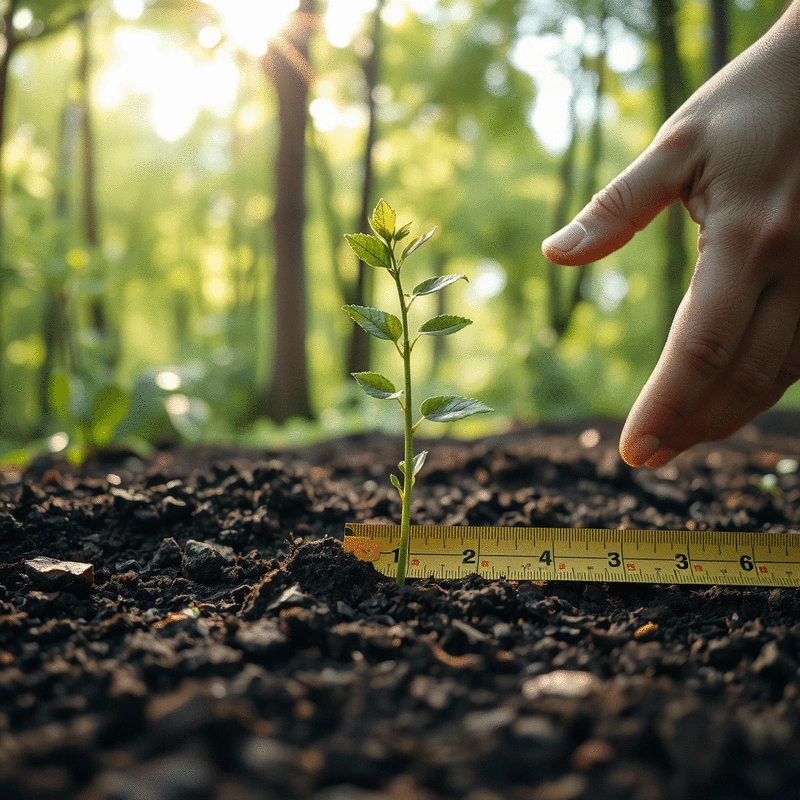
At Timber & Thrive, we are committed to using data-driven approaches to evaluate our projects. This means measuring the growth of newly planted trees and calculating the potential carbon offsets they provide as they mature.
Learning from success stories can inspire us all! There are numerous case studies showcasing effective tree planting initiatives that led to significant carbon sequestration. These projects not only demonstrate the potential impact of tree planting but also highlight best practices that others can follow.
By sharing these stories, we can motivate others to engage in similar efforts and promote the importance of tree planting in combating climate change!
Urban areas face unique challenges when it comes to tree planting. However, urban forestry can significantly reduce the carbon footprint of cities. By strategically planting trees in urban environments, we can cool our cities, improve air quality, and enhance the overall well-being of residents.
As we move forward, it's essential to assess the effectiveness of urban forestry programs. These assessments can guide us in making informed decisions that maximize the benefits of our tree planting initiatives!
While tree planting offers numerous benefits, it is essential to acknowledge potential risks. Not all planting efforts lead to positive outcomes, and it's crucial to consider the ecological implications of introducing non-native species or planting in inappropriate locations. At Timber & Thrive, we strive to address these challenges by advocating for responsible planting practices.
By recognizing these risks, we can ensure that our initiatives contribute positively to the environment.
Responsible forest management is key to ensuring that our tree planting initiatives are sustainable. This includes monitoring growth, maintaining biodiversity, and making informed decisions that consider the long-term health of our forests.
At Timber & Thrive, we emphasize the importance of collaboration between community members and forest managers to promote healthy and thriving ecosystems. Together, we can ensure that our efforts are effective and truly beneficial!
Land use change can significantly impact carbon storage capacity. Converting forests to agricultural land or urban areas can release stored carbon back into the atmosphere. This makes it vital for us to prioritize tree planting in areas that have been previously degraded or deforested.
By focusing on areas in need of restoration, we can enhance carbon storage and support biodiversity, leading to a healthier planet.
Understanding government regulations surrounding tree planting and carbon offsets can help individuals and organizations navigate their initiatives effectively. Policies that promote tree planting can provide funding, resources, and incentives that enhance the success of these efforts.
At Timber & Thrive, we stay informed about these regulations and advocate for policies that support sustainable tree planting. This ensures that we can make the most of available resources and amplify our positive impact!
Innovations in technology have transformed how we approach tree planting. From drones that assist in planting to apps that track growth and health, technology enhances our ability to monitor and manage trees effectively. These advancements help ensure the success and sustainability of our initiatives.
Embracing these technologies at Timber & Thrive allows us to be more efficient and informed in our efforts!
Carbon credits are a powerful tool for promoting sustainability. They represent a reduction in greenhouse gas emissions, and purchasing these credits can fund tree planting initiatives. By understanding carbon credits, individuals and organizations can contribute to tree planting while offsetting their carbon footprints.
At Timber & Thrive, we encourage our community to explore carbon credits as a viable option for supporting our environmental efforts. Together, we can make a lasting difference for our planet!
The average carbon offset from a single tree can vary significantly based on species, age, and environmental conditions. However, many studies suggest that a mature tree can offset around 1 ton of CO2 over its lifetime. This is a powerful reminder of how much one tree can contribute to a healthier planet!
Different species of trees sequester carbon at varying rates. Fast-growing species, such as poplars and willows, can absorb more carbon quickly. In contrast, slower-growing trees may store carbon for longer periods. At Timber & Thrive, we focus on planting a mix of species to maximize carbon sequestration and support biodiversity.
Reforestation has significant positive effects on biodiversity and soil health. By reintroducing native species, we can restore habitats for wildlife and improve soil structure and fertility. This interconnectedness of trees, soil, and biodiversity is crucial for ecosystem health, and we must prioritize it in our tree planting initiatives.
Did you know? Engaging in community tree planting not only helps the environment but also fosters social connections. Research shows that communities with active green initiatives report higher levels of social cohesion and community pride. So, when you plant a tree, you're not just contributing to carbon sequestration; you're also nurturing relationships within your community!
As we wrap up our exploration of tree planting initiatives and their carbon footprint, it's essential to distill the key points into actionable insights. Understanding how tree planting contributes to carbon sequestration is vital for anyone looking to make a positive environmental impact. At Timber & Thrive, we believe that every tree planted is a step toward a greener future and a healthier planet!
From the basics of carbon sequestration to the broader implications for sustainability, tree planting holds a treasure trove of benefits. Here are some key takeaways:
When we think about the long-term benefits of tree planting, it's crucial to recognize their role in not just reducing carbon footprints but also in fostering biodiversity and improving air quality. Imagine a landscape with vibrant ecosystems, where trees provide habitats for wildlife and purify the air we breathe. That's the kind of future we can nurture through informed tree planting initiatives!
Identifying effective practices is key for successful future initiatives. Here are some strategies to consider:
By focusing on these effective practices, we can enhance the sustainability of our tree planting efforts and create lasting positive impacts on our environment. Community forestry also plays a significant role here, as it encourages collective participation in caring for our green spaces.
Community forestry initiatives empower local residents to take charge of their natural resources, leading to greater environmental stewardship. When communities come together to plant trees, they not only contribute to carbon sequestration but also build stronger relationships with each other and the environment. It’s about creating a shared responsibility for our planet!
To explore community forestry further, consider these approaches:
By nurturing community involvement, we can amplify the benefits of tree planting while fostering a sense of ownership and pride in our environment. Let's work together to make a lasting impact!
Now that we've explored the benefits and practices of tree planting, how can individuals and communities get involved? Every action counts, and your participation can make a significant difference! Engaging in tree planting initiatives not only enhances the environment but also enriches your community.
Here are some simple ways to participate:
Additionally, there are many resources available for those looking to learn more about carbon footprint reduction. Websites like Timber & Thrive offer valuable information on sustainable practices and local initiatives that can help you get started on your sustainable tree care journey!
Remember, when we come together to support tree planting, we're not only investing in our planet's health but also creating a legacy for future generations. Let’s be the change we wish to see—one tree at a time!
Here is a quick recap of the important points discussed in the article:
Celia Greenwood is a dedicated environmentalist and tree care expert with a passion for promoting sustainable practices. With years of experience in eco-friendly planting and tree preservation, Celia aims to educate and inspire others to embrace environmentally conscious choices. Her mission is to foster a community that values trees as vital components of our ecosystem, ensuring a greener future for generations to come.