Biodiversity Support
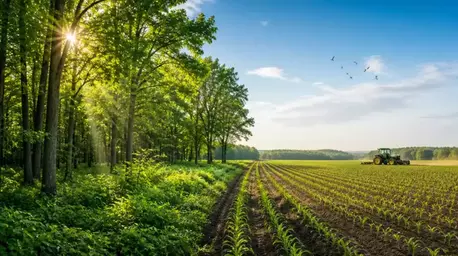
Native trees provide habitats for local wildlife, supporting various species and maintaining biodiversity.
Did you know that incorporating native trees into your landscaping not only enhances beauty but significantly supports local ecosystems? The choice to integrate native species is a powerful step towards creating a sustainable environment.
Native trees provide numerous ecological benefits that are essential for a balanced ecosystem. Below are key insights illustrated for clarity.
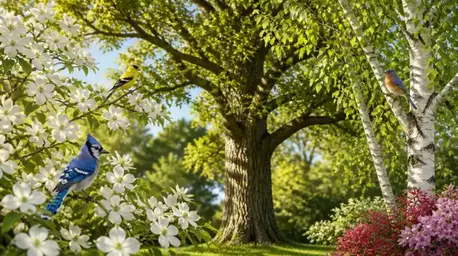
Native trees provide habitats for local wildlife, supporting various species and maintaining biodiversity.
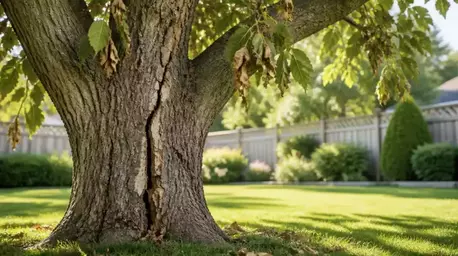
These trees enhance soil health by preventing erosion and improving nutrient cycling.
Native trees filter runoff, improving water quality by reducing pollutants entering water bodies.
They play a pivotal role in sequestering carbon, thus aiding in climate change mitigation efforts.
When we think about landscaping, one of the most impactful choices we can make is incorporating native trees. These trees are not just beautiful to look at; they play a crucial role in our local ecosystems. By selecting native species, we are choosing trees that have evolved to thrive in our specific environment, supporting the wildlife that depends on them.
Native trees contribute to the health of our landscapes in numerous ways. They provide food and habitat for local birds, insects, and other wildlife, creating a vibrant ecosystem right in our backyards. Moreover, they are generally more resilient against pests and diseases, which means less need for harsh chemicals, aligning perfectly with our mission at Timber & Thrive to promote sustainable tree care practices.
So, what exactly are native trees? These are species that have been growing in a particular region for thousands of years. They are perfectly suited to the local climate and soil conditions, making them vital components of the ecosystem. For example, when we plant native trees, we're not just beautifying our surroundings; we're restoring balance to the natural world.
Here are some key ecological benefits of native trees:
Integrating native trees into your landscape offers a multitude of benefits. Not only do they require less maintenance, but they also promote a healthier environment. Imagine a landscape filled with trees that are not only beautiful but also support the wildlife native to your area. It’s a win-win!
Some of the standout advantages include:
One of the most significant environmental benefits of native trees is their ability to sequester carbon. This means they absorb carbon dioxide from the atmosphere, helping to combat climate change. With the rising concerns about deforestation and global warming, each tree we plant can make a difference! Learn more about deforestation's role in climate change here.
Furthermore, native trees help in achieving a balanced ecosystem. They work in harmony with other plants and animals, creating a vibrant network of life. By choosing to plant native species, we are contributing to the health and sustainability of our planet, which is at the heart of what we strive for at Timber & Thrive.
Every tree counts! Whether you're enhancing your home landscape or participating in community planting events, let’s work together to create a greener future. What native trees will you choose to plant this season?
Here's a brief recap of the key points discussed so far:
Choosing the right native trees for your landscape is more than just an aesthetic decision; it's a step towards fostering ecological balance in our environment. As we've explored, native trees offer a multitude of ecological benefits that enhance not only our backyards but also the wider ecosystem. From supporting local wildlife to improving soil health, these trees are vital players in maintaining the natural order. Remember, when you plant a native tree, you're contributing to a sustainable future!
When considering your unique landscape, it’s essential to evaluate personal factors alongside ecological benefits. These might include your yard's size, your climate zone, and the specific sunlight conditions it receives. Prioritizing native species ensures that your choices align with the *natural habitat*, promoting not just beauty but also resilience in your local environment. For more detailed guidance, consider choosing native trees for planting.
Engaging in responsible landscaping practices is crucial for the health of our planet. By choosing native trees, we can minimize water usage, reduce the need for fertilizers, and create habitats for local wildlife. It's about creating a *harmonious relationship* with nature, where our landscapes reflect the beauty and diversity of the ecosystem around us.
At Timber & Thrive, we believe that every action counts. So, whether you’re planting a single tree or transforming an entire yard, think about how each choice contributes to a healthier environment. The benefits far exceed mere aesthetics; they include a legacy of sustainability and stewardship for future generations.
I invite you to share your experiences with native tree selection! Have you planted any native trees in your yard? What challenges have you faced, and what successes have you celebrated? Engaging with one another not only helps us learn but fosters a sense of community around our shared goal of promoting sustainable landscaping. Your stories can inspire others to take action, creating a ripple effect that nurtures our environment.
Feel free to reach out with any questions you may have, as I’m here to help guide you on your journey toward choosing the right native trees for your landscape. Let’s open the door to discussions about the rich diversity of trees available to us and how we can utilize them effectively!
For those eager to dive deeper into the world of native landscaping, several valuable resources are available to assist you. Consider exploring the following:
Connecting with local organizations not only enhances your knowledge but also builds a network of like-minded individuals passionate about environmental stewardship. Together, we can advocate for responsible landscaping and a greener future!
As we work towards creating sustainable landscapes, community involvement plays a pivotal role. By participating in community forestry programs and eco-friendly initiatives, we can collectively make a significant impact. Whether it's through tree-planting events, educational workshops, or sharing resources, every effort contributes to a healthier ecosystem. You can also find some helpful natural ways to grow trees.
So, let’s embrace the spirit of collaboration! Together, we can transform our communities into vibrant, green spaces that celebrate the beauty of native trees. Join me at Timber & Thrive in this important mission—after all, every tree planted is a step towards a thriving environment for generations to come!
Here is a quick recap of the important points discussed in the article:
Celia Greenwood is a dedicated environmentalist and tree care expert with a passion for promoting sustainable practices. With years of experience in eco-friendly planting and tree preservation, Celia aims to educate and inspire others to embrace environmentally conscious choices. Her mission is to foster a community that values trees as vital components of our ecosystem, ensuring a greener future for generations to come.