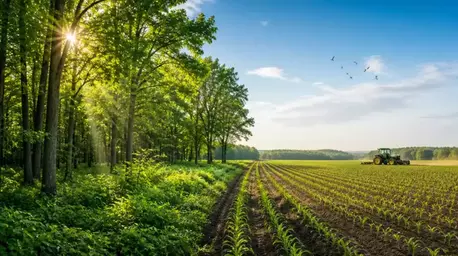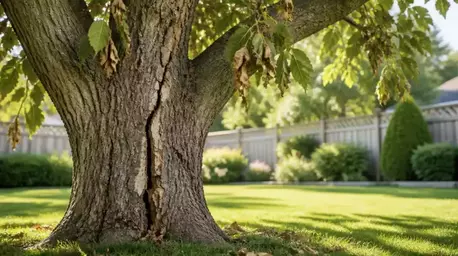
Promotes Ecosystem Stability
Diverse ecosystems are more resilient to disturbances, ensuring the survival of numerous species. This stability is a key component of nurturing trees for healthier growth.
What if every tree planted not only contributed to beauty but also played a crucial role in a thriving ecosystem? Biodiversity is not just a scientific term; it’s the cornerstone of a sustainable future. Recognizing the importance of diverse habitats can transform our approach to tree care and environmental stewardship.
Understanding biodiversity's significance in ecosystems and the services provided by healthy habitats is crucial for conservation efforts. Below is a summary of essential aspects.
Diverse ecosystems are more resilient to disturbances, ensuring the survival of numerous species. This stability is a key component of nurturing trees for healthier growth.
A variety of species ensures that energy flows efficiently through the ecosystem, supporting diverse food webs.
Biodiversity improves air and water quality, soil fertility, and crop yields, critical for human well-being.
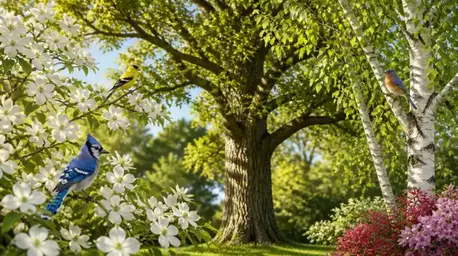
Trees provide homes for various wildlife, contributing to ecological balance and species survival.
Many animals rely on trees for fruits, nuts, and leaves, which sustain their populations and promote biodiversity.
Trees absorb carbon dioxide and release oxygen, playing a vital role in mitigating climate change.
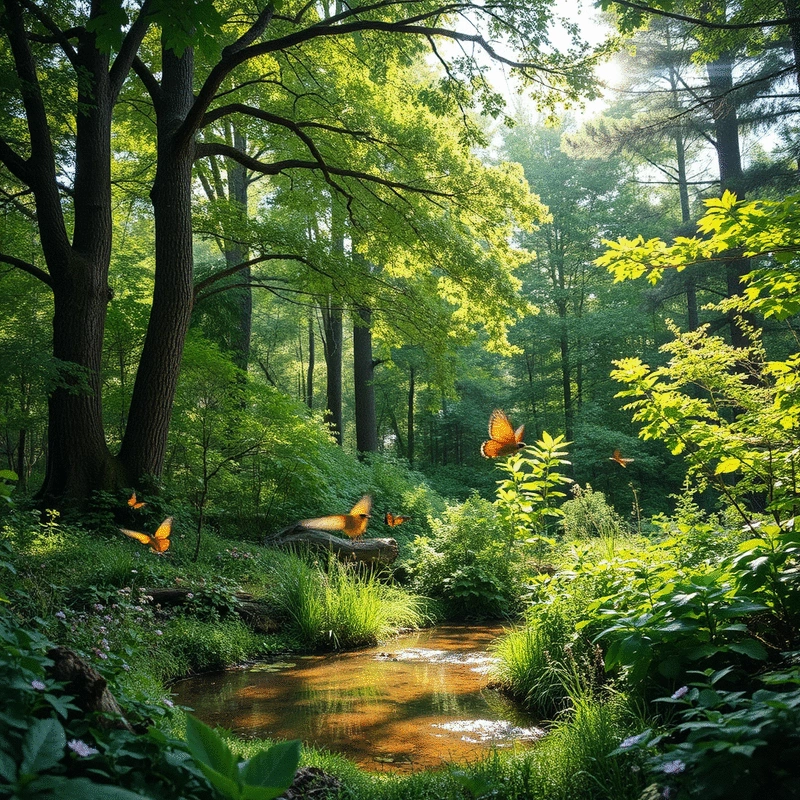
Imagine stepping into a vibrant forest, where every tree and plant plays a unique role in a complex web of life. Understanding the importance of biodiverse habitats is crucial for maintaining a healthy ecosystem. Biodiversity refers to the variety of living organisms in a specific area, and it’s essential for resilience against changes and challenges, such as climate change and habitat destruction.
When we talk about biodiversity, we often think about the variety of species, but it’s also about how these species interact. A diverse ecosystem can better withstand diseases, pests, and environmental changes. Each species contributes something vital—whether it’s food, shelter, or pollination—creating a balanced environment that supports life. Have you ever considered how crucial biodiversity is in your own backyard?
Biodiversity is the cornerstone of a thriving ecosystem. It enhances productivity, stability, and resilience. Here’s why biodiversity matters:
As we at Timber & Thrive promote sustainable tree care, recognizing the value of biodiversity guides our efforts. Each tree we plant contributes to a larger system that nurtures wildlife and supports human well-being.
Trees are more than just beautiful additions to our landscapes; they are vital players in the game of biodiversity. By providing habitat and resources for countless species, trees help maintain ecological balance. Here are some of the key roles trees play:
Have you ever seen a bustling bird nest in a tree? That small moment reflects the larger role trees play in promoting life and biodiversity. By supporting forest biodiversity, we can ensure that our ecosystems remain vibrant and healthy. This aligns with practices for sustainable urban tree care.
Biodiversity hotspots are regions that are both rich in species and threatened by human activity. These areas are critical for conservation efforts, as protecting them can have a profound impact on global biodiversity. Consider these key points about biodiversity hotspots:
By understanding where these biodiversity hotspots exist, we can focus our conservation efforts more effectively. At Timber & Thrive, we believe that every action counts in preserving these vital ecosystems. Together, we can work towards a sustainable future that celebrates the beauty and importance of biodiversity!
Here's a brief recap of the key points discussed so far:
As we embark on the journey of creating biodiverse habitats, it’s crucial to evaluate our progress regularly. This not only helps us understand how well our efforts are working but also opens up opportunities for improvement. By measuring biodiversity, we can make informed decisions that enhance our ecosystem’s health and resilience.
Several tools and methods can assist us in assessing biodiversity effectively. Utilizing techniques such as *species inventory*, *habitat assessment*, and *biodiversity indices* can provide valuable insights into the variety of life present in our newly established habitats. Let’s explore these methods further to see how they can guide our efforts!
With climate change affecting our ecosystems, it’s essential to adopt resilient strategies in our tree care practices. At Timber & Thrive, I always emphasize the need for adaptability in our approaches. This means being willing to adjust our planting, maintenance, and community engagement techniques in response to changing conditions.
Some effective strategies include:
As we delve deeper into the importance of biodiversity, it’s vital to recognize the *ecosystem services* provided by well-maintained habitats. These services are essential for both our environment and our daily lives, often going unnoticed until they’re threatened. They range from air purification to pollination of crops, and they significantly contribute to our overall well-being. Understanding these services is key to sustainable tree care practices.
Here are some key ecosystem services we gain from healthy, biodiverse environments:
Involving the community is a powerful way to enhance biodiversity efforts. By connecting with local conservation groups, we can find support, share ideas, and inspire action. At Timber & Thrive, I encourage everyone to tap into these resources as they often provide invaluable insights and opportunities for collaboration.
Here are some ways to engage with your community:
In our digital age, we have access to a wealth of online tools that can help us in planning and maintaining our biodiverse habitats. From mapping software to educational resources, these tools can make a significant difference in how effectively we execute our vision.
Some valuable online resources include:
Urban areas can greatly benefit from increased green spaces, and promoting urban forestry is a way to enhance biodiversity while improving community well-being. By advocating for more trees in parks, schoolyards, and along streets, we can make our cities healthier and more inviting.
Here’s how you can get involved:
As we reflect on our experiences creating biodiverse habitats, it’s essential to share our successes and challenges. Each journey provides valuable lessons that can benefit others who are eager to embark on similar paths. At Timber & Thrive, I believe in the power of storytelling to foster community and inspire collective action.
To encourage community involvement, consider:
Encouraging community involvement goes hand in hand with reflecting on your journey. Share your insights and success stories to motivate others to get involved. The more we engage, the greater the impact we can have on our environment!
Consider these approaches:
Finally, let’s not forget the vital role that conservation biology plays in habitat restoration. By understanding the science behind ecosystems, we can make informed decisions that foster the health of our environments. At Timber & Thrive, I’m dedicated to promoting conservation biology principles to ensure our habitats are not only restored but thrive for years to come.
Engaging with conservation biology helps us:
Now that we’ve explored the importance of evaluating our efforts and engaging with our communities, it’s time to take action! Starting your biodiverse habitat project today can lead to incredible results for the environment and your community. Every little step counts!
Consider these steps to begin:
As I wrap up this section, I invite you to join the movement for sustainable ecosystems. Your involvement is crucial in creating healthier environments for all living beings. Share your passion, take action, and let’s inspire others together!
Let’s make a difference, one tree at a time!
Lastly, consider exploring *agroforestry* and sustainable gardening practices as a way to enhance biodiversity. These methods not only promote the health of our ecosystems but also provide food and resources for local communities. By integrating trees with crops and gardens, we can create flourishing habitats that benefit everyone! Learning about soil health for sustainable tree planting can further enhance these practices.
Here are some key practices to explore:
A: Biodiversity refers to the variety of living organisms in a specific area. It's crucial for ecosystem health because it enhances stability, supports food chains, improves ecosystem services (like air and water quality), and provides resilience against disturbances such as climate change and habitat destruction.
A: Trees are vital for biodiversity by creating habitats for various wildlife (birds, insects, mammals), providing essential food sources (fruits, nuts, leaves), and playing a critical role in climate regulation by absorbing carbon dioxide and releasing oxygen.
A: Biodiversity hotspots are regions with a high concentration of unique species that are also under significant threat from human activities like habitat destruction. They are significant because protecting these areas can have a profound impact on global biodiversity conservation and prevent the extinction of vulnerable species.
A: Success can be evaluated through various methods, including species inventories (documenting all present species), habitat assessments (evaluating soil quality, water availability, etc.), and biodiversity indices (calculating metrics like the Shannon Index to quantify biodiversity levels and trends over time).
A: Effective strategies include choosing climate-resilient tree species that can thrive under changing conditions, implementing water conservation measures like rain gardens or swales, and regularly monitoring weather patterns and soil health to make necessary adjustments to planting and maintenance.
Here is a quick recap of the important points discussed in the article:
Celia Greenwood is a dedicated environmentalist and tree care expert with a passion for promoting sustainable practices. With years of experience in eco-friendly planting and tree preservation, Celia aims to educate and inspire others to embrace environmentally conscious choices. Her mission is to foster a community that values trees as vital components of our ecosystem, ensuring a greener future for generations to come.