Preventing Tree Trunk Damage
Did you know that protecting the trunks of your trees can significantly enhance their health and longevity? By implementing effective strategies, you can ensure that your garden becomes a thriving ecosystem. Let's dive into the essential lessons you can learn about tree trunk care!
What You Will Learn
- The importance of safeguarding tree trunks to prevent diseases and promote growth.
- Common threats to tree trunks, including lawn equipment, environmental factors, and animal interactions.
- How to create protective barriers with mulch that retain moisture and enhance soil health.
- Best practices for applying mulch, including avoiding 'mulch volcanoes' and using organic materials.
- The benefits of installing tree guards to protect against physical damage and pests.
- Tips for using lawn equipment safely to minimize the risk of mechanical damage to tree trunks.
- Strategies for pest control using organic treatments to keep your trees healthy.
- The importance of regular inspections and adjustments to protective measures based on seasons and tree growth stages.
Key Techniques for Tree Trunk Protection
These essential strategies help ensure the longevity and health of your trees from various threats.
Create a Protective Barrier
Apply mulch rings 2-4 inches deep, keeping them 6 inches away from the trunk to prevent rot.
Implement Tree Guards
Use guards to shield trunks against pests and physical damage, allowing air and moisture to circulate.
Beware of Lawn Equipment
Establish a safe boundary around trees to avoid mechanical injuries. Use edging tools for clear demarcation.
Regular Pest Inspections
Conduct monthly checks for pests and apply organic treatments like neem oil when necessary.
Essential Strategies to Prevent Tree Trunk Damage in Your Garden
Understanding Tree Trunk Damage: Why It Matters
Protecting tree trunks in our gardens is crucial for their overall health and longevity. Neglecting this aspect can lead to serious consequences, including disease, stunted growth, and even tree death. Just think about it—without proper protection, your beautiful trees are vulnerable to a myriad of threats!
At Timber & Thrive, I believe every tree deserves a chance to thrive, and this starts with understanding the importance of trunk care. By safeguarding the trunk, we not only enhance the tree's strength but also create a thriving ecosystem in our gardens. After all, a healthy tree becomes a sanctuary for wildlife and a source of beauty for us! You can learn more about nurturing trees for healthier growth on our blog.
Primary Causes of Tree Trunk Damage in Garden Settings
Tree trunks face several threats in garden environments. Common causes of damage include:
- Lawn equipment: Mowers and trimmers can easily nick or damage the bark.
- Environmental factors: Extreme weather, including heavy rains, frost, and heat can weaken trunks.
- Animal interactions: Animals like deer or rodents may gnaw on bark, leading to significant harm.
Understanding these threats helps us to take proactive steps. For instance, if you’ve ever found bark shredded near a tree, you know how disheartening that can be! It’s important to be vigilant and adjust our care practices to keep our trees safe from these risks.
The Impact of Environmental Factors on Tree Health
Environmental conditions play a huge role in the health of our trees. Factors like soil quality, drought, and pollution can weaken tree trunks, making them more susceptible to damage. Trees that struggle in poor conditions often exhibit signs of stress, such as peeling bark or discoloration.
To adapt our care strategies effectively, we must first observe our trees closely. Are they growing normally? Are there signs of distress? Adjusting watering schedules, improving soil quality, and providing adequate protection can significantly enhance their resilience. Together, we can cultivate a healthier environment for our trees to flourish!
Effective Prevention Techniques for Tree Trunk Protection
Creating a Protective Barrier Around the Trunk
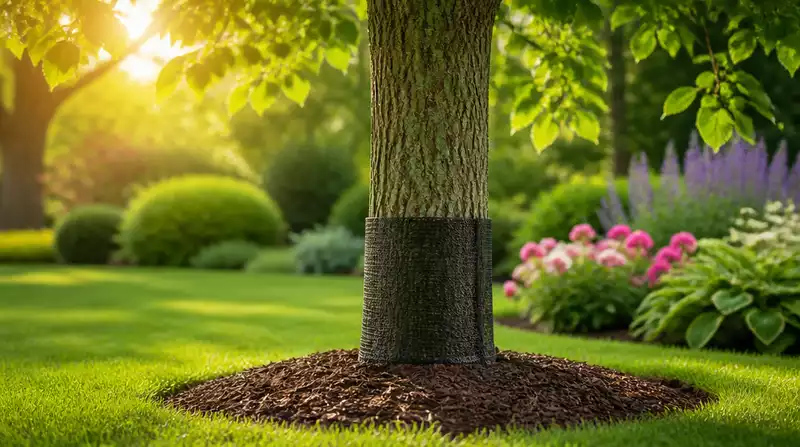
One effective way to protect tree trunks is by creating a protective barrier using mulch. A mulch ring not only shields the trunk from lawn equipment but also retains moisture and improves soil health. When applying mulch, it's important to maintain the right depth—ideally, about 2 to 4 inches—and ensure it stays at least 6 inches away from the trunk. This prevents moisture accumulation against the bark, which can lead to rot.
At Timber & Thrive, I find that the right mulch can make all the difference! A well-maintained mulch ring encourages healthy root systems and keeps weeds at bay. Plus, it’s a simple and effective way to show love to your trees while promoting a vibrant garden. Discover more about the benefits of mulching for tree health.
Correct Mulch Application for Trunk Health
To ensure your mulch application supports tree health, keep these guidelines in mind:
- Avoid mulch volcanoes: Piling mulch high against the trunk can cause harm.
- Spread mulch evenly: Aim for a consistent layer around the base of the tree.
- Use organic materials: Such as wood chips or shredded bark, which improve soil health over time.
By following these practices, you’ll create an optimal environment for your trees. Remember, the goal is to promote healthy growth and protect against damage!
Implementing Tree Guards and Bark Protection
Tree guards are another fantastic option to shield trunks from physical damage and pests. They come in various materials, including plastic and metal, and can effectively prevent gnawing from animals while allowing air and moisture to reach the bark.
When selecting a tree guard, consider the size of the tree and the potential threats in your area. It's best to install guards right after planting to provide immediate protection. This proactive measure ensures your trees have the best chance to grow strong and healthy!
Avoiding Mechanical Damage from Lawn Equipment
A significant threat to tree trunks comes from lawn maintenance equipment. Mowers and string trimmers can cause severe injuries, leading to bark wounds and even death. To prevent this, it’s essential to maintain a safe distance from tree trunks when using these tools.
Establishing a clear boundary and adjusting your mowing pattern can make a big difference. Consider using edging tools to create a defined line around trees, ensuring your equipment doesn’t stray too close. This small change can help keep your trees safe while you maintain a beautiful garden!
Safe Equipment Practices to Minimize Risk
If you're using lawn equipment near trees, here are some tips to follow:
- Stay aware: Always be conscious of the tree’s location.
- Use shorter equipment: For tighter spaces, consider using hand tools.
- Train others: Ensure that anyone who maintains your garden understands the importance of tree trunk protection.
These practices not only protect your trees but also promote a safer gardening experience overall!
Incorporating Pest Control and Organic Treatments
Pest management is a crucial aspect of protecting tree trunks. Insects like bark beetles can inflict severe damage, so taking preventive measures is vital. Using organic treatments can help reduce pest populations without harming beneficial insects or the environment.
Regular inspections for signs of pests can also help catch infestations early. I encourage everyone to consider natural treatments like neem oil or insecticidal soap, which are effective and safe for your garden ecosystem. Let’s work together to keep our trees healthy and thriving!
Implementing Physical Protection Measures
Physical barriers, like trunk guards and cages, can be especially useful for young trees or those in high-risk areas. These protective measures offer an additional layer of security against physical damage or animal interactions.
When installing physical protections, ensure they are appropriately sized and securely fastened to avoid restricting the tree's growth. This way, you can provide the necessary support while allowing the tree room to flourish. Remember, we want to nurture our trees, not confine them! For more insights into comprehensive tree care, consider exploring sustainable tree care practices.
Did You Know?
Tree trunks are not just structural supports; they are vital organs of the tree's health! In fact, research shows that properly protected trees can increase their growth rates by up to 40%. This highlights the importance of incorporating effective trunk protection strategies to ensure your trees thrive in your garden.
Summarizing Key Takeaways for Effective Tree Trunk Protection
In caring for our trees, it's crucial to remember that protection starts at the trunk. The practices we've discussed equip you with essential tools to ensure healthy trees, which in turn supports our environment. At Timber & Thrive, we believe that a well-cared-for tree can flourish, contributing positively to our ecosystem. Below, I've summarized the key points for easy reference!
Quick Reference Checklist for Preventing Tree Trunk Damage
Here's a handy checklist to guide you in protecting your tree trunks from damage:
- Apply mulch rings at least 3 inches deep, keeping them a few inches from the trunk.
- Install tree guards to shield against physical damage and pests.
- Be mindful of lawn equipment to avoid mechanical injuries.
- Check for pests regularly and use organic treatments when needed.
- Adjust protective measures according to the seasons and tree growth stages.
By following this checklist, you can foster a thriving garden that supports the overall health of our trees! Remember, even the smallest actions, like using mulch correctly or being cautious with lawn equipment, can make a big difference.
Visual Guide to Trunk Protection: Before and After
Visual aids can help illustrate the effectiveness of your trunk protection techniques. Here are a few scenarios to consider:
- Before: A tree without a mulch ring showing exposed roots and soil erosion.
- After: The same tree with a proper mulch ring that promotes moisture retention and root health.
- Before: A tree with visible damage from lawn equipment.
- After: The tree safeguarded by a tree guard, showing healthy bark and no signs of injury.
These visuals serve as powerful reminders of the positive impact of proper tree care. Engaging with these before-and-after scenarios can truly inspire you to take action in your own garden!
Engagement and Further Resources
As we wrap up our discussion on tree trunk protection, I want to encourage you to dive deeper into tree care practices. There's so much more to learn, and every tree you nurture contributes to our beautiful planet. At Timber & Thrive, we're committed to providing resources and guidance to help you on your journey.
FAQs on Tree Trunk Damage Prevention
Many people have questions about how to best protect their trees. Here are some common FAQs that can help clarify your efforts:
- Why is tree trunk protection so important? Protecting tree trunks is vital for their overall health, preventing diseases, promoting growth, and ensuring longevity by shielding them from physical damage, pests, and environmental stress.
- What are the main threats to tree trunks in a garden? Common threats include mechanical damage from lawn equipment (mowers, trimmers), environmental factors like extreme weather, and animal interactions such as gnawing by deer or rodents.
- How deep should mulch be around a tree trunk, and how far away should it be? Mulch rings should ideally be 2 to 4 inches deep and kept at least 6 inches away from the tree trunk. This prevents moisture accumulation against the bark, which can lead to rot and disease.
- What are "mulch volcanoes," and why should they be avoided? Mulch volcanoes are when mulch is piled high against the tree trunk. This should be avoided as it can trap moisture, promote rot, create habitats for pests, and suffocate the tree's root collar.
- When is the best time to install tree guards? It is best to install tree guards right after planting to provide immediate protection, especially for young trees, guarding against physical damage and pests.
- What organic treatments are recommended for pest control on tree trunks? Natural treatments such as neem oil or insecticidal soap are effective and safe for your garden ecosystem to manage pests like bark beetles.
- How often should I inspect my trees for damage or pests? Regular inspections, ideally monthly, are important to catch any issues early, allowing for timely adjustments to protective measures based on seasons and tree growth stages.
These questions are a great starting point, and I encourage you to seek additional information tailored to your specific circumstances. Knowledge empowers you to make the best decisions for your trees!
Next Steps for Home Gardeners to Protect Their Trees
So, what can you do next? Begin by implementing some of the practices we've discussed. Maybe start a small tree care group with neighbors or reach out to us at Timber & Thrive for workshop opportunities! Remember, every step you take towards better tree care not only helps your garden but also contributes to the larger goal of fostering healthy ecosystems. To enhance your garden further, consider choosing native trees for planting.
Let's continue to thrive together—one tree at a time. Join the conversation, share your experiences, and let's make a lasting impact on our environment!
Recap of Key Points
Here is a quick recap of the important points discussed in the article:
- Protecting tree trunks is essential for overall tree health and longevity.
- Common causes of trunk damage include lawn equipment, environmental factors, and animal interactions.
- Creating a mulch ring around the trunk helps retain moisture and protect from lawn equipment.
- Install tree guards to prevent physical damage and pests while allowing air and moisture access.
- Maintain a safe distance when using lawn equipment and consider using edging tools for defined boundaries.
- Regularly inspect for pests and use organic treatments to manage infestations.
- Implement physical protections like trunk guards for young trees or those in high-risk areas.

Celia Greenwood
Celia Greenwood is a dedicated environmentalist and tree care expert with a passion for promoting sustainable practices. With years of experience in eco-friendly planting and tree preservation, Celia aims to educate and inspire others to embrace environmentally conscious choices. Her mission is to foster a community that values trees as vital components of our ecosystem, ensuring a greener future for generations to come.