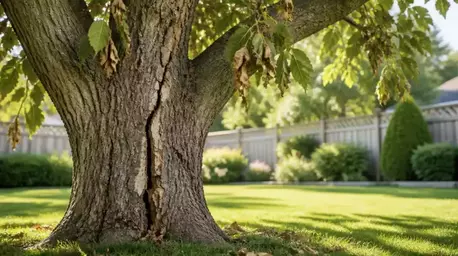
Spring Care
Inspect and prune trees to remove any weak or dead branches.
As storms become more unpredictable and extreme, the importance of protecting our trees cannot be overstated. The resilience of our green companions is not just about survival; it's about thriving in the face of adversity. Understanding how to prepare your trees can make all the difference!
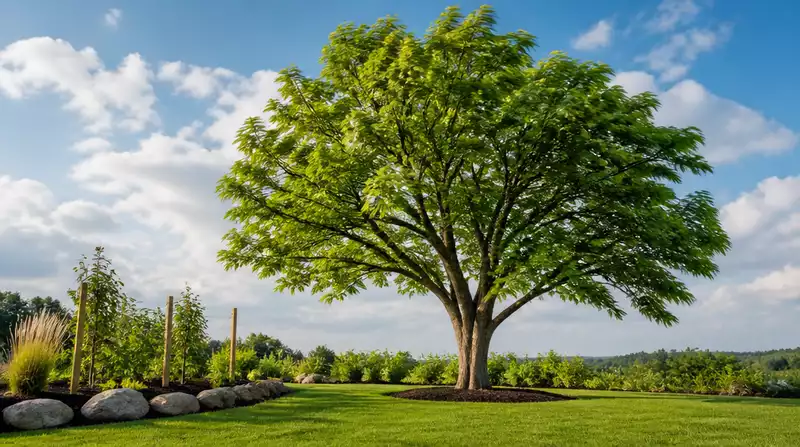
To effectively protect trees from storm damage, there are several essential strategies to implement throughout the year. Below is a visual representation of effective tree care practices and seasonal maintenance. For more insights on overall tree health, consider exploring our guide on nurturing trees for healthier growth.
Inspect and prune trees to remove any weak or dead branches.
Water deeply and consistently to support tree hydration.
Prepare for winter by checking for structural stability and cleaning up debris.
Protect against frost and monitor for ice buildup on branches.
Storms can wreak havoc on trees, and understanding the types of damage can help us protect them better. High winds can uproot trees or break limbs, while ice storms weigh down branches, leading to potential breakage. Each tree species reacts differently—some are more resilient while others, like young saplings, may struggle under harsh conditions.
For example, evergreen trees might bend and lose branches under the weight of ice, whereas deciduous trees can become vulnerable to wind damage if they have dense foliage. It’s crucial to recognize the specific vulnerabilities of your trees so we can take appropriate action in advance!
One effective way to enhance tree resilience is through structural pruning. This involves removing weak or dead branches before storm season, which minimizes the risk of these limbs breaking during turbulent weather. By focusing on the tree's structure, we encourage healthy growth and reduce the chance of significant damage. To learn more about environmental impacts, read about deforestation's effects on local ecosystems.
When pruning, look for branches that are crossing or rubbing against each other and remove them. This not only strengthens the tree but also allows for better air circulation. Remember, each snip helps create a safer environment for your trees to thrive!
Another important step involves protecting the root zone of your trees. A simple yet effective method is mulching. Mulch helps retain moisture, regulates soil temperature, and prevents weeds, all of which support healthy roots. Additionally, be mindful of soil compaction, as it can severely impact a tree's health.
Managing the surroundings of your trees is equally important. Assess nearby hazards, such as power lines, that could pose a risk during storms. Additionally, drainage issues can lead to waterlogged soil, making trees more susceptible to uprooting.
Finally, enhancing wind resistance involves ongoing tree maintenance. This includes regularly checking for signs of disease and ensuring that trees are well-hydrated and supported. A well-cared-for tree stands a better chance against strong winds!
Incorporating these practices not only prepares your trees for storm season but also fosters a healthier ecosystem overall. At Timber & Thrive, we believe that proactive care leads to resilient trees that not only survive storms but thrive in their aftermath!
Here's a brief recap of the key points discussed so far:
As we work together to protect our trees from storm damage, we must also focus on their long-term health and safety. Here at Timber & Thrive, we understand that caring for trees is a continuous journey. Implementing a seasonal tree care checklist can help keep your trees robust and ready to withstand any storm that comes their way! For further insights into year-round tree care, explore our article on seasonal tree care for gardens.
So, what should this checklist include? Here’s a quick guide to help you maintain your trees throughout the year:
One key aspect of tree care is to create a seasonal routine. This means you’ll be ready for anything nature throws at us. For example, in spring, you can start with a thorough inspection. This is an excellent time to look for any signs of pests or disease. Also, ensure your trees are well-watered as they wake from winter dormancy.
During summer, focus on watering deeply and consistently. Trees need hydration to thrive, especially when temperatures rise. You can also apply mulch to retain moisture and protect their roots from heat stress.
The health of your trees is closely linked to the quality of the soil they grow in. Paying attention to soil health can significantly improve tree recovery and longevity. Incorporating soil aeration techniques allows air, water, and nutrients to reach the roots more effectively. Think of it as giving your trees a refreshing breath of life!
There are several methods to enhance soil aeration:
When it comes to tree care and storm preparedness, many questions arise. Addressing these concerns can help you feel more confident in your efforts to protect your trees:
In summary, taking proactive steps to ensure the health and safety of your trees is essential for minimizing storm damage. Remember, a well-cared-for tree is better equipped to withstand nature's challenges. At Timber & Thrive, we’re passionate about empowering you with the knowledge and tools needed to protect our vital green companions! You can learn more about sustainable tree care practices on our blog.
Now, I invite you to share your own tips or experiences related to tree storm preparation and recovery. Together, we can build a stronger community that values and protects our trees for future generations. Let’s thrive together—one tree at a time!
Here is a quick recap of the important points discussed in the article:
Celia Greenwood is a dedicated environmentalist and tree care expert with a passion for promoting sustainable practices. With years of experience in eco-friendly planting and tree preservation, Celia aims to educate and inspire others to embrace environmentally conscious choices. Her mission is to foster a community that values trees as vital components of our ecosystem, ensuring a greener future for generations to come.