Wildlife-Friendly Gardens with Trees

What if your garden could be more than just a beautiful space? It can be a thriving ecosystem that supports local wildlife and enhances biodiversity. By understanding the key components of wildlife-friendly gardens, you can make a positive impact on the environment right from your backyard.
What You Will Learn
- The crucial role trees play in providing habitat, food, and biodiversity for local wildlife.
- How a diverse planting approach can improve pest control, pollination, and soil health.
- Techniques for monitoring wildlife activity in your garden to enhance biodiversity.
- The importance of creating microhabitats and habitat corridors to support various species.
- Ways to engage your community in wildlife conservation and share your gardening journey.
Benefits of a Wildlife-Friendly Garden
Wildlife-friendly gardens offer numerous advantages, supporting both the ecosystem and enhancing the beauty of your outdoor space. Below are key benefits illustrated visually.
Improved Biodiversity
A variety of plants support different species, enhancing local biodiversity.
Natural Pest Control
Diverse plantings deter harmful insects, reducing the need for chemical pesticides.
Increased Pollination
A wider variety of flowering plants attracts diverse pollinators, boosting fruit production.
Soil Health
Different root structures improve soil nutrients and prevent erosion.
Understanding the Importance of Wildlife-Friendly Gardens
Creating a wildlife-friendly garden is more than just a trend; it's a vital step toward supporting our precious ecosystems. At Timber & Thrive, we believe that gardens can be havens for all kinds of creatures, from birds to beneficial insects. By incorporating trees and other native plants, we can create an inviting habitat that nurtures wildlife and enhances biodiversity.
Have you ever considered how your garden plays a role in the larger environmental picture? A wildlife-friendly garden is not only a beautiful space but also a sanctuary where local wildlife can thrive. Trees, in particular, serve as essential pillars in this ecosystem, providing food, shelter, and a breeding ground for many species. For more insights on how to nurture your trees for optimal growth, explore our guide on nurturing trees for healthier growth.
The Role of Trees in Supporting Wildlife
Let’s dive deeper into how trees contribute to the health of our environment. They act as natural air purifiers, improving air quality and providing shade. Beyond their aesthetic appeal, trees are crucial for various wildlife, playing multiple roles in their survival.
Here are just a few ways trees support wildlife:
- Providing Habitat: Trees offer nesting sites for birds and shelter for small mammals.
- Food Sources: Many trees produce fruits, nuts, and leaves that serve as essential food for various species.
- Supporting Biodiversity: A variety of trees encourages a rich ecosystem, attracting different species and promoting ecological balance.
How Trees Provide Habitat and Food for Local Species
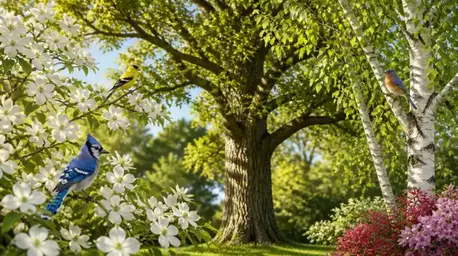
Imagine a sturdy oak tree, its branches sprawling wide. It can host countless critters, offering refuge and sustenance. From the chirping of birds nestled in its branches to the rustle of squirrels scurrying around its trunk, trees create a lively atmosphere teeming with life!
Local species rely heavily on the resources trees provide. For example, woodpeckers find perfect spots for making their homes while bees gather nectar from flowering varieties. The interconnectedness of these relationships highlights the importance of planting trees that cater to wildlife needs.
The Ecosystem Benefits of a Diverse Planting Approach
At Timber & Thrive, we emphasize the significance of biodiversity. A diverse planting approach can transform your garden into a thriving ecosystem. Not only does this attract a variety of wildlife, but it also enhances the resilience of your garden against pests and diseases. For more information on creating a resilient garden, consider exploring soil health for sustainable tree planting.
Consider these benefits of diverse plantings:
- Natural Pest Control: A variety of plants can help deter harmful insects.
- Increased Pollination: More flowering plants attract diverse pollinators.
- Soil Health: Different root structures can improve soil nutrients and prevent erosion.
Creating a wildlife-friendly garden isn’t just about aesthetics; it's a commitment to fostering a healthier environment. Each tree you plant contributes to this beautiful tapestry of life, ensuring a greener future.
Selecting the Right Trees for Wildlife
Choosing the right trees is crucial for attracting wildlife to your garden. Selecting native species, which are adapted to your local environment, can make a significant difference. Not only do they require less maintenance, but they also support local wildlife by providing food and habitat.
Are you ready to explore the best trees for your wildlife-friendly garden? Let’s take a closer look at some native tree species that can transform your outdoor space into a vibrant ecosystem!
Pro Tip
To maximize the benefits of your wildlife-friendly garden, consider planting a mix of fruit-bearing and flowering native trees. Not only do these trees provide essential food sources for birds and insects, but they also create a beautiful seasonal display that enhances the overall aesthetic of your garden.
Monitoring and Enhancing Wildlife Visitor Rates
Creating a wildlife-friendly garden is just the beginning of your journey. To truly understand the impact of your efforts, it's essential to monitor how local wildlife engages with your space. Observing and recording wildlife activity helps us appreciate the diversity that thrives in our gardens and encourages us to make improvements where needed.
One effective way to enhance your garden is by developing metrics to measure biodiversity improvements. This approach not only tracks the number of species visiting your garden but also identifies patterns in their behavior, helping you to create an even more inviting habitat. Are you ready to dive into the world of wildlife observation?
Understanding the Impact of Your Garden on Local Wildlife
How can you become more aware of your garden's wildlife? Start by setting up regular observation times! Grab a notebook or use a wildlife app to document what you see. Here are some ways to effectively observe and record wildlife activity:
- Keep a daily log of animal sightings and interactions.
- Take note of the time of day and the weather conditions during your observations.
- Use photos or videos to capture wildlife behaviors that interest you.
This process can be quite rewarding. Not only will you become familiar with your garden's visitors, but you’ll also gain insights into how different elements of your garden design attract specific species.
How to Observe and Record Wildlife Activity
To enhance your recording efforts, consider setting up specific observation points throughout your garden. A comfy chair in a shaded area can be the perfect spot! While watching, focus on:
- Identifying the species that visit your garden.
- Noting their feeding and nesting habits.
- Observing how they interact with your plants and trees.
This firsthand knowledge enriches your connection with nature and helps you adapt your garden to better support local wildlife. For more tips on sustainable practices for your garden, consider reading about sustainable tree care practices.
Using Metrics to Measure Biodiversity Improvements
Once you’ve gathered your observations, it’s time to analyze them! You can track changes in species diversity over time by establishing simple metrics. Here are a few to consider:
- The total number of different species recorded.
- The frequency of visits from specific wildlife.
- The diversity of insects and pollinators over the seasons.
With these metrics, you can see the positive impact of your gardening efforts and make informed decisions about any adjustments to improve your wildlife garden.
Creating Microhabitats for Increased Biodiversity
Creating microhabitats within your garden is a fantastic way to boost biodiversity. These small, specialized areas can provide unique conditions that different species prefer. Think of it as creating mini-ecosystems that cater to various wildlife needs!
Here’s how to design spaces that encourage insects and other wildlife:
- Use rocks, logs, and dead plants to create shelter and nesting spots.
- Incorporate diverse plant groups to attract different species.
- Ensure a mix of sun and shade for various wildlife preferences.
By thinking small, you can significantly enhance the overall health of your garden and its inhabitants!
How to Design Spaces for Insects and Other Wildlife
Designing microhabitats can be as simple as adding a few features. Here are some ideas:
- Create a butterfly garden with nectar-rich flowers.
- Set up a small pond or water feature for birds and insects.
- Designate a wildflower area to support pollinators.
Don’t forget that each of these microhabitats can help to attract different wildlife, making your garden a thriving haven!
The Importance of Habitat Corridors in Urban Areas
In urban environments, habitat corridors are crucial for connecting isolated wildlife populations. These pathways allow for the movement and interaction of species, which is vital for maintaining biodiversity. Consider planting trees and shrubs that create a natural corridor to link your garden with neighboring green spaces.
Here’s how you can contribute to forming these corridors:
- Plant native trees that provide food and shelter.
- Encourage neighbors to plant wildlife-friendly gardens.
- Join community efforts to connect local green spaces.
At Timber & Thrive, we believe that every small step counts in creating a network of wildlife-friendly spaces that protect and support local ecosystems!
Encouraging Community Engagement and Awareness
Sharing your journey of creating a wildlife garden can inspire others to follow suit! Engaging with your local community not only fosters awareness about wildlife conservation but also builds a supportive network of like-minded individuals. For further inspiration, consider exploring how to start a community tree project in your area.
How can you get started on this journey of sharing? By documenting your garden's progress, you can provide insight and inspiration to those around you. Let’s explore how to effectively share your experiences!
Sharing Your Wildlife Garden Journey
How can you invite others to join your wildlife conservation efforts? Consider these strategies:
- Take before-and-after photos of your garden's transformation.
- Create a social media page to document your journey.
- Host garden tours or workshops to share knowledge and inspire others.
These actions not only showcase your commitment but also help spread the word about the importance of wildlife-friendly spaces!
How to Document and Share Your Garden's Progress
Make the documentation process fun! Here are some ways to engage:
- Write short blog posts about your experiences and challenges.
- Share tips on social media about attracting specific wildlife.
- Create visual infographics showcasing your garden's biodiversity.
When you share your knowledge, you empower others to take action in their own gardens, creating a ripple effect of positive change!
Engaging with Local Communities for Wildlife Conservation
One of the most rewarding aspects of building a wildlife garden is the opportunity to connect with your community. Collaborate with local organizations, schools, or gardening clubs to promote wildlife awareness. Here are some ideas to get you started:
- Organize tree planting days to enhance local habitats.
- Participate in community workshops on wildlife gardening.
- Start a neighborhood garden club focused on wildlife support.
By engaging with others, you can spark conversations about conservation and create a collective effort towards a greener future.
Concluding Thoughts on Creating Wildlife-Friendly Spaces
As we conclude, let’s reflect on the long-term benefits of establishing wildlife-friendly gardens. Not only do these spaces provide critical habitats for various species, but they also enrich our lives in countless ways. There’s something magical about witnessing the balance of nature flourish right in your backyard!
By implementing thoughtful design and maintenance strategies, you’re contributing to the health of our environment and inspiring future generations to cherish and protect nature. Are you ready to continue these conservation efforts?
Emphasizing the Long-Term Benefits of Wildlife Gardens
Wildlife gardens offer numerous advantages, including:
- Improved biodiversity and ecological health.
- Enhanced beauty and enjoyment of your outdoor space.
- Increased awareness and education about local ecosystems.
Every small action you take helps create a more sustainable world. Let’s celebrate these efforts and inspire others to do the same!
Inspiration for Continued Conservation Efforts
Remember, every garden tells a story. What will yours say? By nurturing your wildlife-friendly garden, you become part of a larger narrative that celebrates life and promotes a healthier planet. Share your journey, inspire others, and let’s continue to make a positive impact together!
Call to Action: Start Your Wildlife-Friendly Garden Today
Ready to take the next step? Join us at Timber & Thrive in creating a wildlife-friendly garden that not only benefits local wildlife but also enriches your own life. Here are some practical steps you can take today:
- Choose native plants and trees that attract local wildlife.
- Document your gardening journey and share it with others.
- Engage with your community to foster awareness and collaboration.
Let’s come together for a greener future, one wildlife-friendly garden at a time! What actions will you take today to support our planet's delicate ecosystems?
Recap of Key Points
Here is a quick recap of the important points discussed in the article:
- Wildlife-Friendly Gardens: Support ecosystems by creating havens for various species, focusing on trees and native plants.
- Tree Benefits: Trees provide habitat, food sources, and support biodiversity, making them essential for local wildlife.
- Diverse Planting: A variety of plants enhances garden resilience, attracts diverse wildlife, and promotes natural pest control.
- Monitoring Wildlife: Regular observations help track species interactions and improve biodiversity metrics in your garden.
- Microhabitats: Create specialized areas within your garden to cater to different wildlife needs, boosting overall biodiversity.
- Community Engagement: Share your wildlife gardening journey to inspire others and collaborate with local efforts to enhance wildlife habitats.
- Long-Term Benefits: Wildlife gardens improve ecological health, increase enjoyment of outdoor spaces, and foster awareness of local ecosystems.
Frequently Asked Questions about Wildlife-Friendly Gardens
- What are the primary benefits of a wildlife-friendly garden?
- Wildlife-friendly gardens offer numerous benefits, including improved biodiversity, natural pest control, increased pollination, and enhanced soil health. They create a thriving ecosystem that supports local wildlife and enriches your outdoor space.
- How do trees contribute to a wildlife-friendly garden?
- Trees are essential for wildlife-friendly gardens as they provide vital habitat (nesting sites and shelter), act as food sources (fruits, nuts, leaves), and support overall biodiversity by attracting various species, thereby promoting ecological balance.
- Why is a diverse planting approach important for garden health?
- A diverse planting approach enhances your garden's resilience against pests and diseases. It encourages natural pest control, increases pollination by attracting a wider variety of pollinators, and improves soil health through different root structures.
- How can I monitor wildlife activity in my garden?
- You can monitor wildlife by setting up regular observation times, keeping a daily log of sightings, noting time and weather conditions, and using photos or videos. Establishing specific observation points and identifying species, feeding habits, and interactions will help you gather valuable insights.
- What are microhabitats, and how do they help biodiversity?
- Microhabitats are small, specialized areas within your garden that provide unique conditions for different species. They boost biodiversity by offering targeted shelter, nesting spots, and food sources, catering to various wildlife needs like insects and small mammals.
- How can I engage my community in wildlife conservation through gardening?
- You can engage your community by sharing your garden's progress through photos, social media, or a blog. Also, collaborate with local organizations, schools, or gardening clubs to organize tree planting days, workshops, or neighborhood garden clubs focused on wildlife support.

Celia Greenwood
Celia Greenwood is a dedicated environmentalist and tree care expert with a passion for promoting sustainable practices. With years of experience in eco-friendly planting and tree preservation, Celia aims to educate and inspire others to embrace environmentally conscious choices. Her mission is to foster a community that values trees as vital components of our ecosystem, ensuring a greener future for generations to come.