Deforestation and Flood Risk Explained
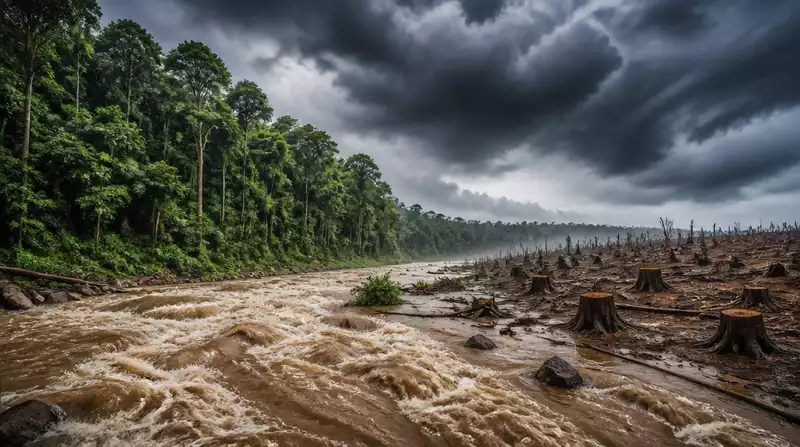
Did you know that research suggests deforestation can increase flood risk by up to 700% in certain areas? This staggering statistic underscores the critical importance of understanding the relationship between our ecosystems and flood risks. As we delve into this topic, we can empower ourselves to make informed choices for a greener future.
What You Will Learn
- Deforestation disrupts the natural balance of ecosystems, leading to increased flood risks and loss of biodiversity.
- Forests play a crucial role in water management by absorbing rainfall and regulating water flow, preventing soil erosion.
- The removal of trees results in higher surface runoff and rapid rises in river levels, significantly increasing the likelihood of flash floods.
- Sustainable land management practices and reforestation are essential strategies for mitigating flood risks associated with deforestation.
Impact of Deforestation on Flood Risk and Key Statistics
Understanding the correlation between deforestation and flood risk is crucial. The following visual representation highlights significant statistics and comparisons from recent studies. To learn more about how our ecosystems are affected, read about deforestation's effects on local ecosystems.
Flood Risk Increase
Deforestation can increase flood risk by as much as 700% in certain areas, leading to serious environmental consequences.
Ecosystem Services Lost
Each tree removed not only disrupts habitats but also diminishes crucial ecosystem services like rainfall absorption, contributing to an increased risk of floods.
Surface Runoff Increase
With the loss of tree cover, there is an increased surface runoff, leading to overwhelmed drainage systems and heightened risks of flash floods.
Soil Erosion Effects
Deforestation leads to heightened soil erosion during rainstorms, which can cause sediment buildup in rivers and exacerbate flooding issues.
Understanding the Link Between Deforestation and Flood Risk
Deforestation is a pressing environmental issue that affects all of us, sometimes in ways we might not immediately recognize. At Timber & Thrive, we passionately advocate for understanding the vital connections between trees and our ecosystem, especially when it comes to flood risks. By comprehending how deforestation disrupts natural balances, we can empower ourselves to make informed choices for a greener future.
Defining Deforestation and Its Environmental Impact
What is Deforestation?
Deforestation refers to the clearing or thinning of forests, often to make way for agriculture, urban development, or other land uses. This practice not only removes trees but also destroys habitats for countless species. When we cut down trees, we are not just losing wood; we are losing a vital part of our planet’s health!
The Role of Forests in Ecosystem Balance
Forests play a critical role in maintaining the balance of our ecosystems. They produce oxygen, store carbon, and support a diverse array of wildlife. Beyond their beauty, forests help regulate the water cycle and prevent soil erosion, which is crucial for minimizing flood risks. Understanding these roles is part of sustainable tree care practices.
- Oxygen Production: Trees convert carbon dioxide into oxygen, helping us breathe.
- Carbon Storage: Forests absorb carbon, fighting climate change.
- Habitat Preservation: Many animals rely on trees for shelter and food.
How Deforestation Increases Flood Risk
Mechanisms of Flood Risk Amplification
When forests are removed, they disrupt natural processes that help manage water flow. Trees absorb rainfall, allowing it to slowly seep into the ground instead of running off quickly. This means that without trees, heavy rains can lead to sudden floods. It's like taking away a sponge that absorbs water—what happens? The water spills over!
Reduced Interception and Rainfall Absorption
Forests act as natural barriers that catch rain and allow it to filter gradually into the soil. When deforestation occurs, this interception is lost. This situation can lead to:
- Increased surface runoff, which can overwhelm drainage systems.
- Rapid rises in river levels, causing flash floods.
- Higher chances of landslides in hilly areas.
Higher Runoff and Soil Erosion Effects
Without trees to anchor the soil, we experience increased soil erosion during rainstorms. This erosion not only damages the land but also leads to sediment buildup in rivers, which can worsen flooding. Imagine a bowl filled with sand; when you pour water in, it quickly overflows!
Scientific Evidence Linking Deforestation to Increased Flood Events
Research Studies on Deforestation and Hydrology
Numerous studies highlight the clear connections between deforestation and flood risks. For instance, researchers have found that areas experiencing deforestation see significant changes in their hydrological cycles. These alterations can lead to more frequent and severe flood events. Understanding these connections is crucial as we advocate for forest preservation.
Statistical Insights: Up to 700% Increase in Flood Risk
Research suggests that deforestation can increase flood risk by as much as 700% in certain areas! Such staggering statistics emphasize the urgency of addressing this crisis. Each tree we lose can lead to more dangerous rainfall events, putting communities at risk. For more statistics and insights, you can review deforestation trends and statistics 2023.
Understanding Watershed and Catchment Area Dynamics
Impacts on Local and Basin-Scale Hydrology
Watersheds and catchment areas are crucial for managing water resources. Deforestation impacts these areas by altering water flow patterns. When trees are removed, we lose the natural filtration system that helps maintain clean water supplies. It's a reminder that healthy forests support healthy watersheds!
Comparative Analysis: Tropical vs. Temperate Forests
Different types of forests can have varying impacts on flood risks. In tropical regions, the dense canopy can result in significant rainfall interception, while temperate forests may have different dynamics. Understanding these differences can guide us in making better conservation decisions.
Differentiating Flood Causes: Deforestation vs. Climate Change
How Rainfall Intensity and Land-Use Changes Interact
While climate change is a significant factor in altering rainfall patterns, deforestation amplifies these effects. Increased rainfall intensity, combined with the loss of trees, can create a perfect storm for flooding. It’s essential to recognize that both deforestation and climate change contribute to this issue.
Downstream Effects of Deforestation on Flooding Patterns
Deforestation often has downstream effects, impacting areas far removed from the original site of tree removal. Floods can devastate communities miles away, underscoring the interconnectedness of our ecosystems. At Timber & Thrive, we believe that understanding these connections is key to effective solutions!
Real-World Examples and Case Studies on Deforestation and Flood Risk
Before and After Visuals of Affected Areas
Visual documentation of deforested areas can be striking! Seeing the stark contrast between lush, green forests and barren landscapes can deeply impact our understanding of what’s at stake. These visuals serve as powerful reminders of the urgent need for tree preservation.
Notable Case Studies from Various Regions
Across the globe, there are numerous case studies that illustrate the link between deforestation and flooding. From Brazil's Amazon rainforest to Southeast Asia's tropical forests, real-world examples show the consequences of neglecting our forests. Each study provides valuable insights for us to learn from as we work towards sustainable solutions.
The Role of Biodiversity and Vegetation Cover in Flood Mitigation
Understanding the Importance of Biodiversity in Ecosystem Stability
Biodiversity is essential for robust ecosystems. Diverse plant and animal species contribute to greater resilience against environmental changes. By protecting biodiversity, we can help maintain the natural processes that mitigate flood risks.
How Vegetation Cover Affects Soil Moisture and Flood Mitigation
Vegetation cover plays a significant role in maintaining soil moisture levels. Areas with ample vegetation can absorb rainfall more effectively, reducing the risk of flooding. It's another reason why we should cherish and protect our green spaces! For more on nurturing trees, explore our guide on nurturing trees for healthier growth.
Pro Tip
Did you know that implementing green roofs can significantly reduce surface runoff and mitigate flood risks? By creating a layer of vegetation atop buildings, not only do we enhance urban biodiversity, but we also improve rainwater absorption, acting as a natural sponge for excess rainfall!
Strategies for Mitigating Flood Risk Linked to Deforestation
At Timber & Thrive, we believe that tackling the issue of flood risk tied to deforestation requires a multifaceted approach. It's not just about planting trees; it’s about fostering a sustainable relationship with our environment. By combining policy initiatives, community action, and personal responsibility, we can significantly reduce the flooding risks that threaten our landscapes. For effective strategies, consider sustainable tree care practices.
One of the essential strategies is to implement effective policy and land management approaches. These policies guide how we interact with our natural resources and ensure that we prioritize sustainability in every decision. As an advocate for responsible tree care, I know firsthand how vital these strategies are for creating resilient ecosystems.
Policy and Land Management Approaches
Implementing sustainable watershed management practices is crucial. This includes protecting existing forests and promoting practices that enhance their health. For instance, we can:
- Establish protected areas to conserve mature forests.
- Support buffer zones around waterways to reduce runoff.
- Encourage sustainable farming practices to minimize land degradation.
Another effective strategy is reforestation. Replanting native trees not only restores habitats but also helps in flood mitigation. With each new tree, we strengthen our ecosystems and create a natural barrier against floodwaters.
Forest management practices play a significant role, too. By employing techniques that maintain forest health, we can ensure that they continue providing essential services such as:
- Improving soil stability to prevent erosion.
- Enhancing water absorption to reduce runoff.
- Increasing biodiversity, which supports a balanced ecosystem.
What Individuals and Communities Can Do
Communities are at the heart of flood risk mitigation. Engaging in reforestation initiatives can empower individuals to make a difference. Have you ever thought about how organizing a local tree planting event could transform your neighborhood? Here are some actions you can take:
- Join or form local groups focused on reforestation.
- Participate in educational workshops about sustainable practices.
- Advocate for local policies that support tree planting and forest conservation.
Additionally, local governments can play a pivotal role in addressing flood risk. By developing comprehensive plans that prioritize green infrastructure, they can help reduce the impacts of flooding. This can include:
- Investing in community green spaces.
- Implementing rainwater harvesting systems.
- Creating programs that incentivize the planting of trees in urban areas.
Frequently Asked Questions About Deforestation and Flood Risk
As we navigate the complexities of deforestation and its link to flooding, I often hear questions that need clarity. Understanding these can motivate us to take action:
- Why does deforestation lead to increased flooding? Without trees, there is less absorption of rainfall, leading to higher runoff and soil erosion. Trees act as natural sponges, absorbing vast quantities of water and releasing it slowly, which helps prevent flash floods.
- How can reforestation help reduce flood severity? Reforestation restores the natural balance of ecosystems, allowing for better rainfall absorption and soil stabilization. New trees establish root systems that bind the soil, reducing erosion and increasing the ground's capacity to absorb water.
- What is the relationship between climate change and flooding? Climate change increases rainfall intensity, making areas more vulnerable, especially where forests have been cleared. Higher temperatures lead to more intense storms, which, when combined with deforested landscapes, dramatically increase flood risks.
- What are "ecosystem services" and how do they relate to forests and floods? Ecosystem services are the many benefits that nature provides to humanity, such as clean air and water, pollination, and flood regulation. Forests provide crucial ecosystem services by regulating the water cycle, absorbing rainfall, and preventing soil erosion, all of which mitigate flood risks.
- Can specific land management practices help mitigate flood risk in deforested areas? Yes, implementing sustainable land management practices, such as establishing protected areas, creating buffer zones around waterways, and promoting sustainable farming, can significantly reduce flood risks in deforested regions. These practices help restore ecological balance and improve water retention.
Summary of Key Insights and Call to Action
As we wrap up our discussion, it’s essential to remember the significance of awareness and education on deforestation. By spreading knowledge, we can inspire collective action. At Timber & Thrive, we strive to cultivate understanding about the impacts of our choices on the environment.
Let’s encourage sustainable practices to combat flood risks. Whether it’s planting a tree or advocating for local policies, every action counts! Together, we can make a positive impact on our communities and ensure a greener, safer future.
Recap of Key Points
Here is a quick recap of the important points discussed in the article:
- Deforestation's Impact: Deforestation disrupts ecosystem balance, leading to habitat loss and increased flood risks.
- Forests' Role in Flood Mitigation: Trees absorb rainfall and reduce surface runoff, thereby mitigating flood severity.
- Scientific Evidence: Studies show that areas experiencing deforestation can see flood risk increase by up to 700%.
- Importance of Watersheds: Healthy forests support clean water supplies and manage water flow in watersheds and catchment areas.
- Community Action: Individuals can engage in reforestation initiatives and advocate for sustainable practices to combat deforestation and reduce flood risks.
- Policy Initiatives: Implementing effective land management policies and forest conservation strategies is essential for reducing flood risk.

Celia Greenwood
Celia Greenwood is a dedicated environmentalist and tree care expert with a passion for promoting sustainable practices. With years of experience in eco-friendly planting and tree preservation, Celia aims to educate and inspire others to embrace environmentally conscious choices. Her mission is to foster a community that values trees as vital components of our ecosystem, ensuring a greener future for generations to come.